Federal Reserve Withdraws 2023 Crypto Banking Ban, Restores Access for Custodia Bank and Others
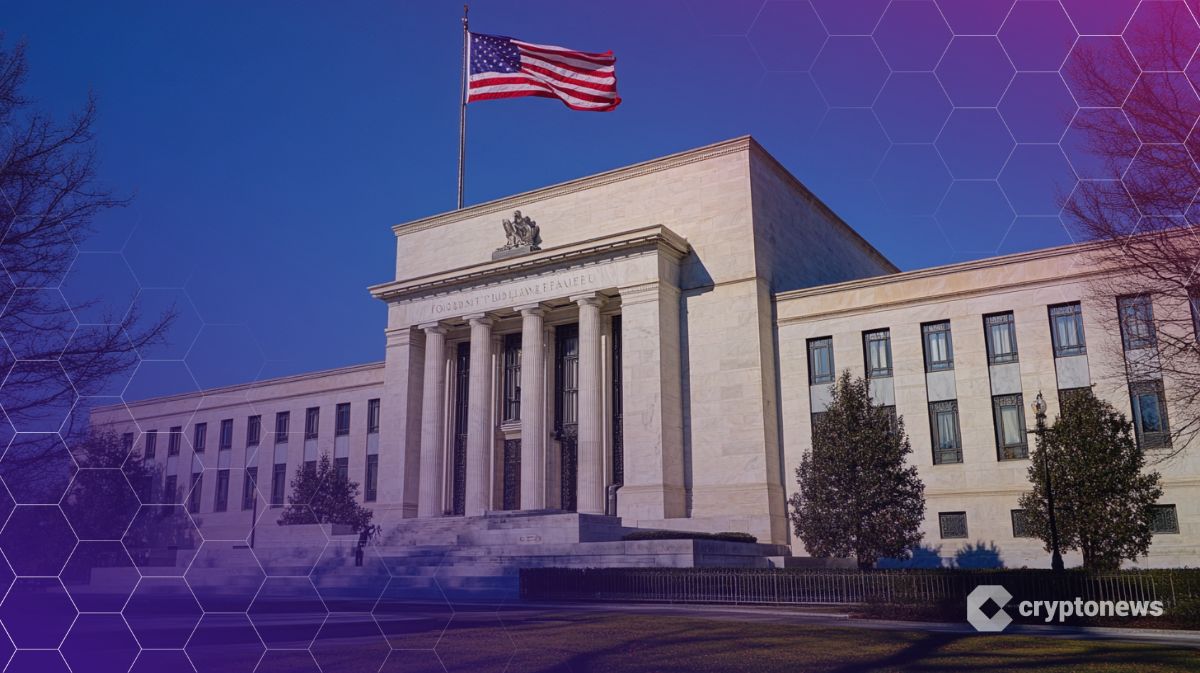
The Federal Reserve has withdrawn its 2023 policy statement that effectively barred banks from engaging in crypto activities and denied Custodia Bank’s master account, restoring pathways for crypto-related banking services.
Custodia Bank, a Wyoming-chartered institution, has escalated its legal challenge by seeking en banc review at the Tenth Circuit regarding the Fed’s denial of its master account. The bank argues that the Monetary Control Act requires payment services to be available to eligible depository institutions and raises concerns about federalism.
The 2023 guidance limited state member banks to crypto activities permitted under other federal regulations; however, regulators now say evolving technology and understanding have rendered those restrictions obsolete. Previously, there was a 2-2 circuit split on whether the Monetary Control Act mandates master account access, with a prior dissent cautioning about unreviewable discretion by regional Federal Reserve presidents.
The Kansas City Fed denied Custodia’s master account in January 2023 after a 27-month review, citing risks related to crypto-assets despite internal documents indicating adequate capital and a strong leadership team.
Regulatory investigations exposed widespread debanking practices across nine large U.S. banks, which had restricted crypto firms through internal policies requiring escalated approvals or imposing blanket restrictions. The Office of the Comptroller of the Currency (OCC) identified nine banks—including JPMorgan Chase, Bank of America, Citibank, Wells Fargo, U.S. Bank, Capital One, PNC, TD Bank, and BMO—as having improper or excessively restrictive policies that affected lawful crypto activities between 2020 and 2023.
In a positive development for the crypto sector, the OCC has conditionally approved five crypto firms, including Circle and Ripple, to launch national trust banks. Paxos has been allowed to issue stablecoins. Ripple’s charter excludes its RLUSD stablecoin but covers custody and settlement operations. These firms have 18 months to raise capital and build infrastructure before full OCC examination.
Vice Chair for Supervision Michelle Bowman indicated that the policy shift aims to enable responsible fintech innovation while maintaining safety and soundness standards in banking.