Filipino Healthcare Workers Navigate Immigration Challenges in the US
Bella, a 57-year-old caregiver in Los Angeles, arrived in the US in 2018 on a tourist visa and has worked within a shadow network of home healthcare, earning about $30 a day for 24-hour care. To avoid compliance checks, she moved between various facilities. Remaining undocumented and bound by utang na loob, Bella lived for months in a church before joining a workers’ rights group that provided immigration and social services. She now works part-time as an independent caregiver, paying taxes and renting a small room.
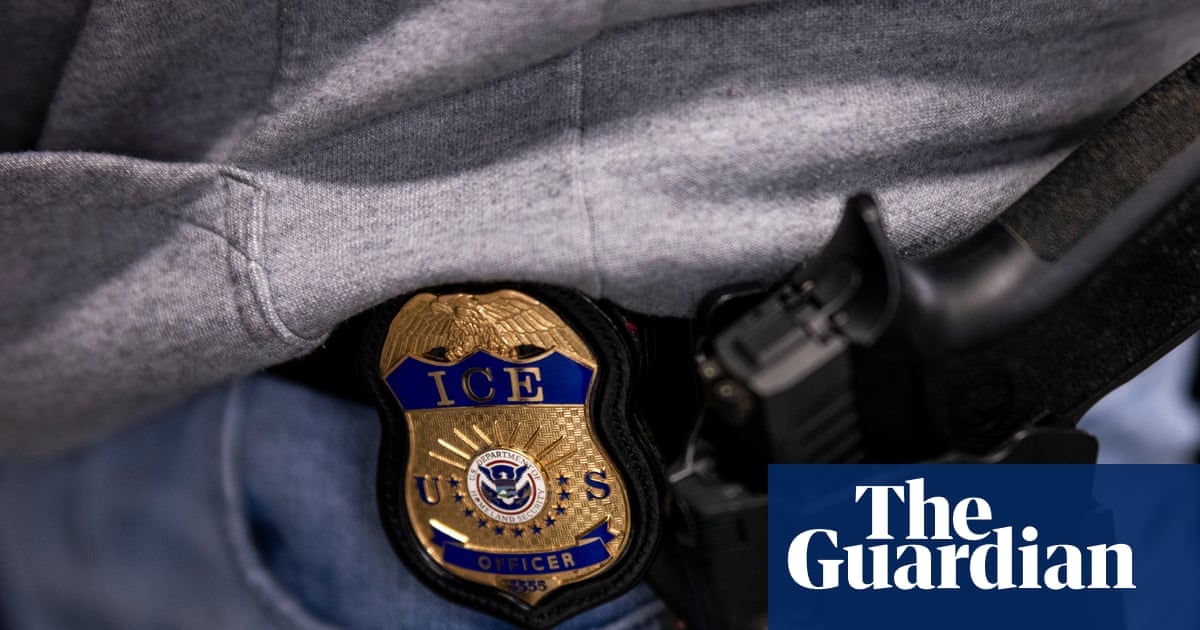
Increased ICE arrests at workplaces and routine check-ins have heightened fear among Filipino healthcare workers like Bella, limiting their essential trips and making them rely heavily on care from others as their patients depend on them. Filipinos comprise about 4% of US registered nurses, a figure more than twice the Filipino American population share. Approximately 2% of undocumented immigrants in the US are from the Philippines, many filling critical gaps in the healthcare workforce.
Veronica Velasquez, a 33-year-old physical therapist and DACA recipient, expressed that hospitals feel unsafe due to the risk of ICE encounters in the workplace. The connection between the Philippines and US nursing dates back to mid-20th century nursing education exchanges. By the 1970s, Filipino healthcare workers were being trained and exported to the US in larger numbers.
Another example is Christina Fadriga, a green-card holder since 2006, who must split her time between the US and the Philippines to maintain her permanent resident status. Her four children are grown. This reflects the complex immigration challenges faced by many Filipino healthcare workers striving to provide care in the US amid evolving immigration policies and enforcement.
