Five Denied US Visas Over Alleged Attempts to Coerce Tech Platforms to Suppress Free Speech
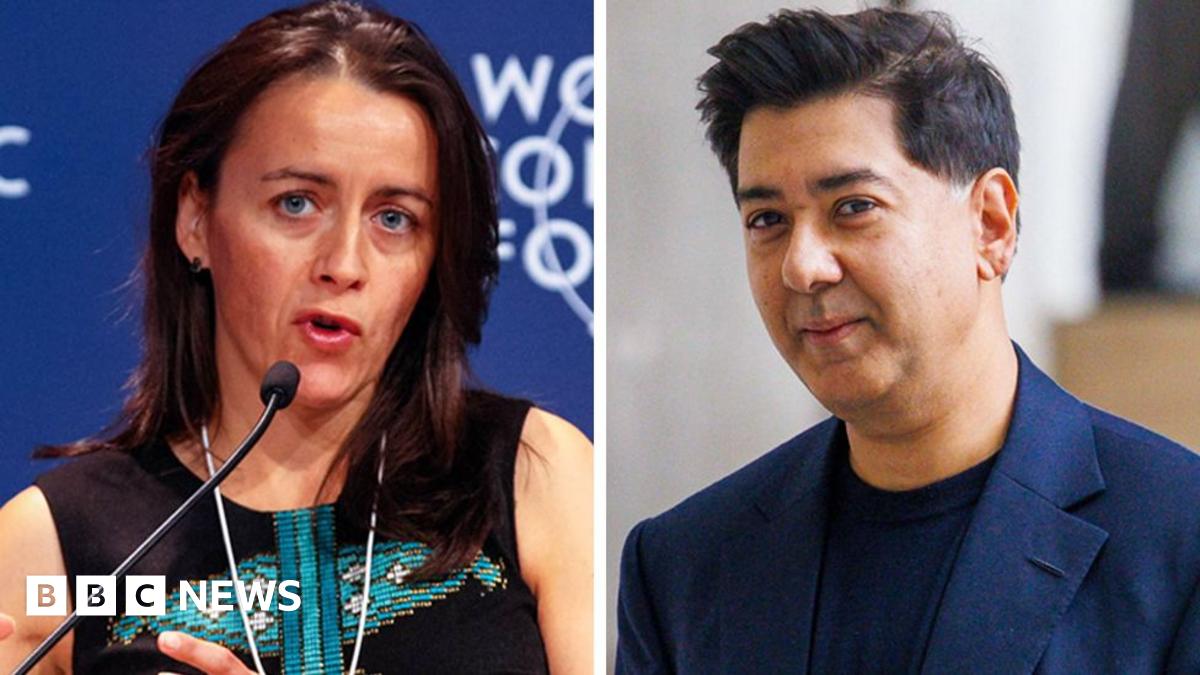
The US State Department has denied visas to five individuals, including two British campaigners, alleging they sought to coerce US tech platforms into suppressing free speech. Among those denied visas are Imran Ahmed, head of the Center for Countering Digital Hate (CCDH), and Clare Melford, CEO of the Global Disinformation Index (GDI). Imran Ahmed, a former Labour adviser with ties to senior Labour figures, has been described by the US as a collaborator with the Biden administration. Clare Melford founded the GDI in 2018, which monitors disinformation, but the US accused the organization of using American taxpayer funds to promote censorship and blacklisting of US speech.
Others affected by the visa denial include a French former EU commissioner, Thierry Breton, and two leaders of the NGO HateAid, Anna-Lena von Hodenberg and Josephine Ballon, who were reportedly involved in enforcing the EU's Digital Services Act (DSA). The State Department characterized Breton as the mastermind behind the DSA. The EU has also fined the social media platform X approximately €120 million over blue-tick verification issues, which resulted in Elon Musk blocking EU Commission advertising on the platform.
These measures have drawn condemnation from European leaders. French President Emmanuel Macron called the bans acts of intimidation that undermine European digital sovereignty. EU foreign policy chief Kaja Kallas described the US actions as unacceptable and a challenge to sovereignty. Meanwhile, the UK government stated its support for free speech. US officials framed the visa denials within broader concerns about censorship, with Senator Marco Rubio and the Trump administration emphasizing American sovereignty and warning of a global censorship-industrial complex. The State Department underscored the issue of extraterritorial overreach by foreign censors. Representatives of HateAid and GDI have condemned the US actions.