Football Tactics Enter New Era with Tactical Experimentation and Set-Piece Evolution
The contemporary football tactical landscape is undergoing a significant shift, moving away from the previously dominant guardiolista consensus of possession, pressing, and spatial control towards an era characterized by experimentation and nuanced adaptation. Rather than adhering to a singular orthodoxy, teams are reinventing tactics by adapting traditional methods to modern conditions.
Set-piece coaching has grown in prominence, with specialists like Nicolas Jover, Austin MacPhee, and Bernardo Cueva influencing strategy. This season, 21.8% of Premier League goals have come from corners or throw-ins, a notable rise from 13.9% the previous season, although since late October there has been a 5.2% reduction indicating a stabilization in their effectiveness. Set-piece defenses are further complicated by officials' increased permissiveness regarding contact with goalkeepers and arm grabbing.
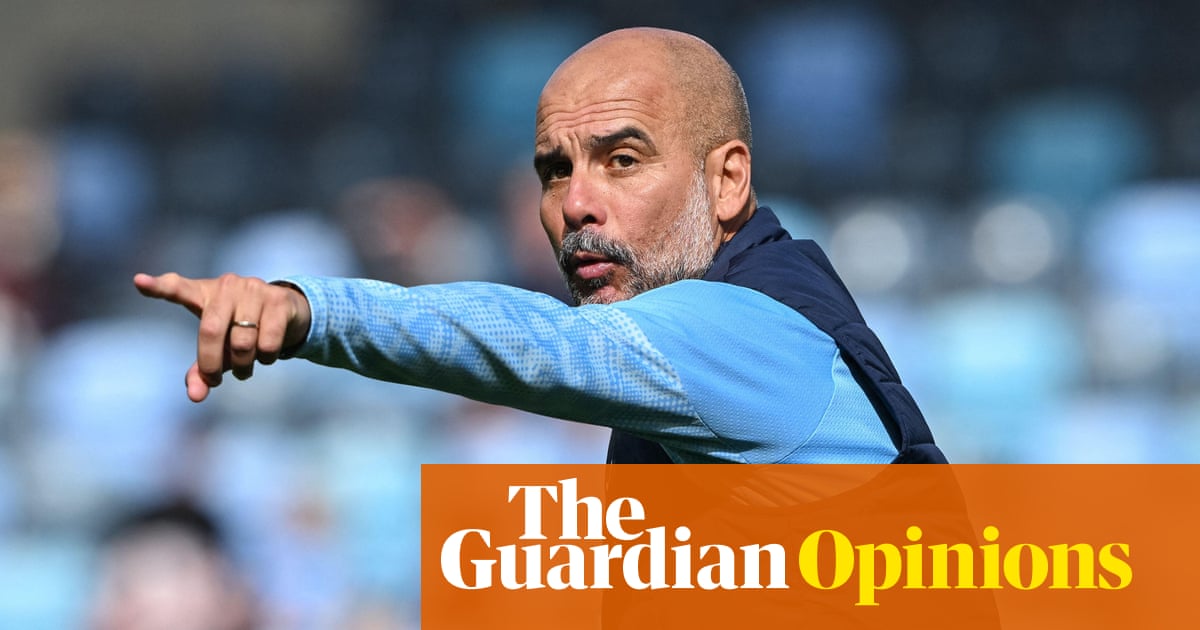
Pep Guardiola, moving away from the radicalism that defined his Barcelona tenure, now embraces data-driven tweaks and less bespoke preparations, a shift driven by the demands of calendar congestion and the need for smaller, more versatile squads. His ongoing influence is credited with reviving Total Football principles adapted to the realities of modern flat pitches.
An example of current tactical innovation includes Leeds United's mid-game change to a front two under Daniel Farke, which has coincided with Dominic Calvert-Lewin experiencing the best goalscoring run of his career. This broader tactical revolution is expected to further evolve with advancements in data analytics and artificial intelligence, signaling an open-ended transformation in football strategy.