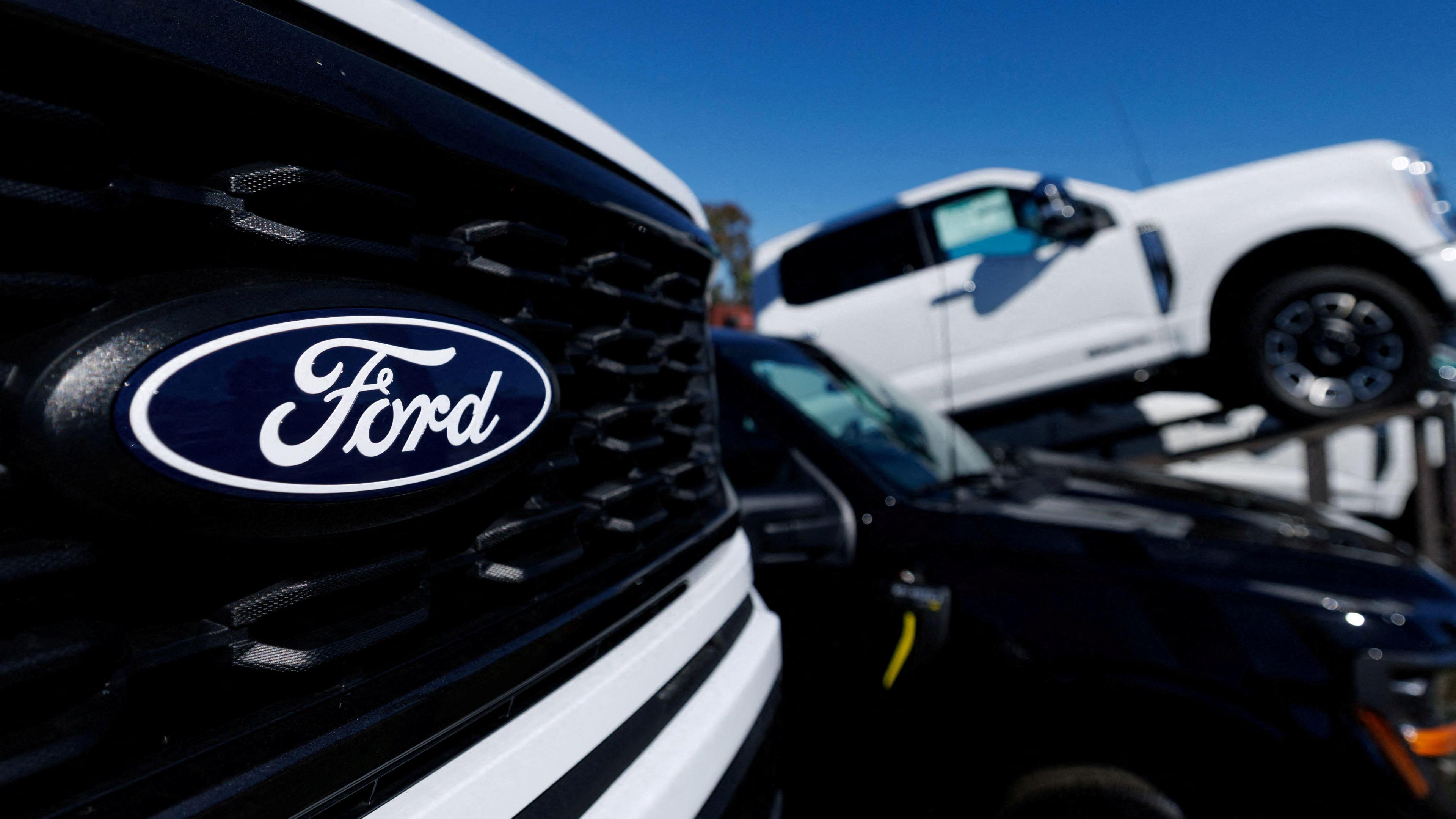
Ford Scales Back Electric Vehicle Plans Amid Market and Regulatory Shifts
Ford has announced a significant shift in its electric vehicle (EV) strategy, opting to scale back its large EV plans in favor of focusing on profitable hybrids, gas-powered vehicles, and smaller EV models. This strategic pivot is expected to result in a $19.5 billion profit hit (approximately £14.6 billion).
As part of this change, the popular F-150 Lightning will be redesigned as a hybrid featuring a gas-powered generator, and Ford will no longer produce a purely electric F-150. Additionally, the company's electric van project has been canceled. Moving forward, Ford plans to concentrate on gas and hybrid vehicles alongside expanding its energy storage business.
The decision to redirect capital towards higher-return products like trucks, vans, hybrids, and energy storage is influenced by weaker demand for large EVs, rising costs, and evolving regulatory frameworks. Notably, the Trump administration had loosened fuel-economy rules, and the $7,500 EV tax credit ended in September. Earlier, Biden-era standards had targeted significant reductions in CO2 emissions.
In parallel, General Motors (GM) also announced a similar retreat from ambitious EV plans, taking an estimated $1.6 billion financial charge. Meanwhile, the European Union is poised to dilute its proposals to ban new combustion-engine cars by 2035, with German lobbying efforts reportedly playing a role. The European Commission is scheduled to reveal detailed plans soon.