Ford to Curtail EV Production, Shift Focus Amid Reduced U.S. Demand and Policy Changes
Ford has announced a $19.5 billion writedown and plans to scrap several electric vehicle (EV) models, shifting its focus back towards gas and hybrid vehicles due to waning EV demand and changes in U.S. policy under former President Trump.
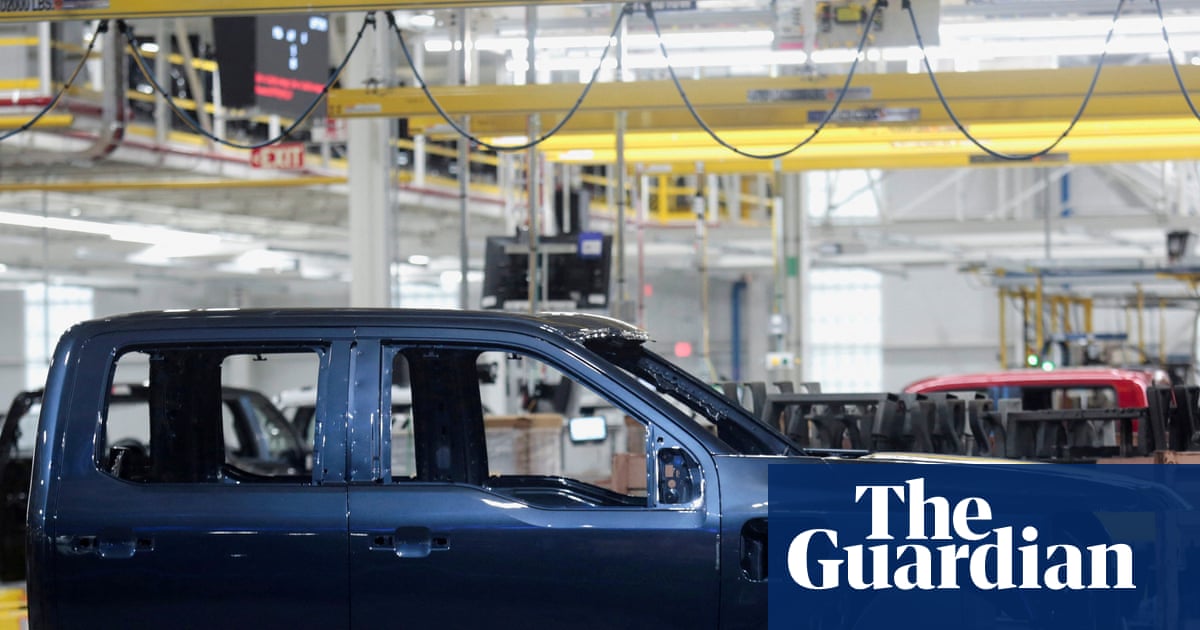
The automaker will stop producing the F-150 Lightning in its current EV form and pivot to an extended-range electric vehicle (EREV) model, which will use a gas generator to recharge the battery. Ford will also cancel its next-generation EV truck (T3) and planned electric vans.
Ford intends to hire thousands of workers while also conducting some layoffs at a jointly owned battery plant in Tennessee in the near term.
The company's global vehicle mix target is set to rise to 50% hybrids, EREVs, and pure EVs by 2030, up from 17% today.
The $19.5 billion writedown will be spread over Q4 2025 through 2027, with approximately $8.5 billion related to cancelling EV models, $6 billion tied to dissolving the SK On battery joint venture, and $5 billion in program-related expenses.
U.S. EV demand has slumped, with sales falling about 40% in November 2025 after the expiration of a $7,500 tax credit on September 30. Additionally, Trump-era policies included freezing fines for violating fuel economy regulations.
Ford's leadership, including Andrew Frick, cited a rationale of reinvesting capital in higher-returning areas rather than spending billions on large EVs with unclear profitability.
Background on the F-150 Lightning: it was launched in 2022 with production ramping up and about 200,000 orders; however, sales reached only 25,583 through November 2025, a 10% decline year over year.
Looking forward, Ford's California skunkworks team aims to deliver its first affordable EV model priced around $30,000 by 2027. The company also plans to build a midsize EV truck at its Louisville plant.