Future of Torness Nuclear Power Station and Scotland's Energy Debate Ahead of Holyrood Election
Torness nuclear power station in East Lothian is Scotland's last operating nuclear plant and is scheduled to close in 2030. Employing approximately 550 staff along with around 180 contractors, its workforce numbers increase beyond 1,000 during maintenance outages. The plant, operated by EDF Energy, plays a significant role in supporting Dunbar’s economy, with workers contributing to local lodging, meals, and leisure through contractor activity.
The upcoming Holyrood election has framed energy policy, particularly nuclear power, as a key battleground. While energy policy remains reserved to Westminster, the UK Labour government promotes a "golden age" of nuclear power, including funding new plants in England and Wales and advancing small modular reactors (SMRs). The first SMR is planned at Anglesey, North Wales, with Great British Energy Nuclear set to identify additional sites by autumn 2026. In contrast, the Scottish National Party (SNP) opposes new nuclear reactors and can block them within Scotland through planning laws. The SNP advocates for renewables as the preferred energy path, pointing to delays and cost overruns at projects like Hinkley Point C as reasons for caution.
East Lothian council leader Norman Hampshire has called for a "characterisation" study of the Torness site to assess whether a replacement nuclear facility could be viable. This would include independent surveys examining geology, environment, infrastructure, and community factors.
Local opinion is mixed. Some residents view continuing nuclear operations as vital for long-term employment and energy security, while others express concerns about job losses after the plant closes and the handling of radioactive waste. Meanwhile, Scotland's renewable energy strategy advances with projects like the Berwick Bank offshore wind farm, planned to supply power to up to six million homes and shoring at Dunbar.
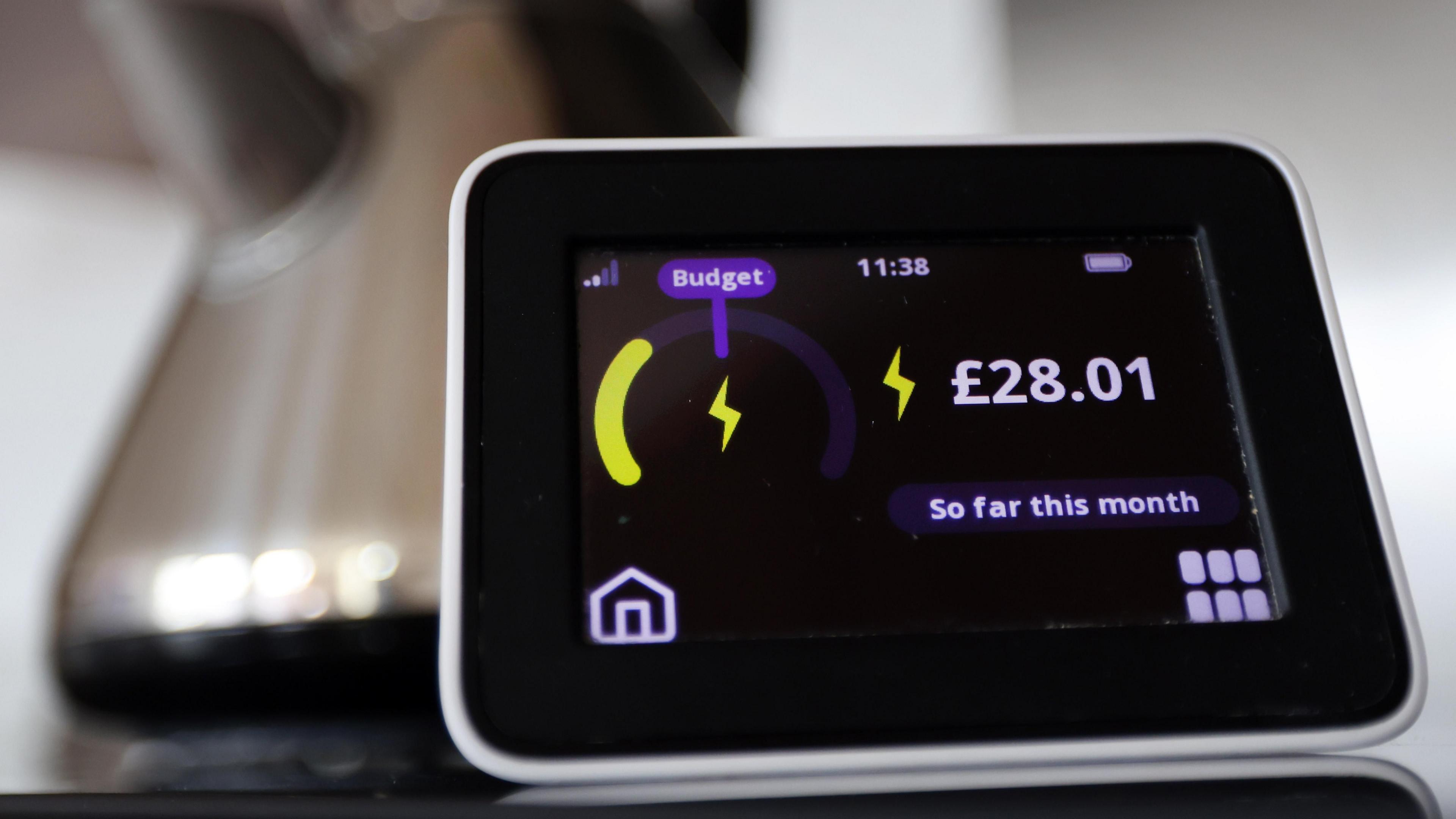
The wider context includes high UK energy prices and pre-election pressure on politicians to demonstrate how Scotland will balance reliability, affordability, and environmental goals in its energy mix.