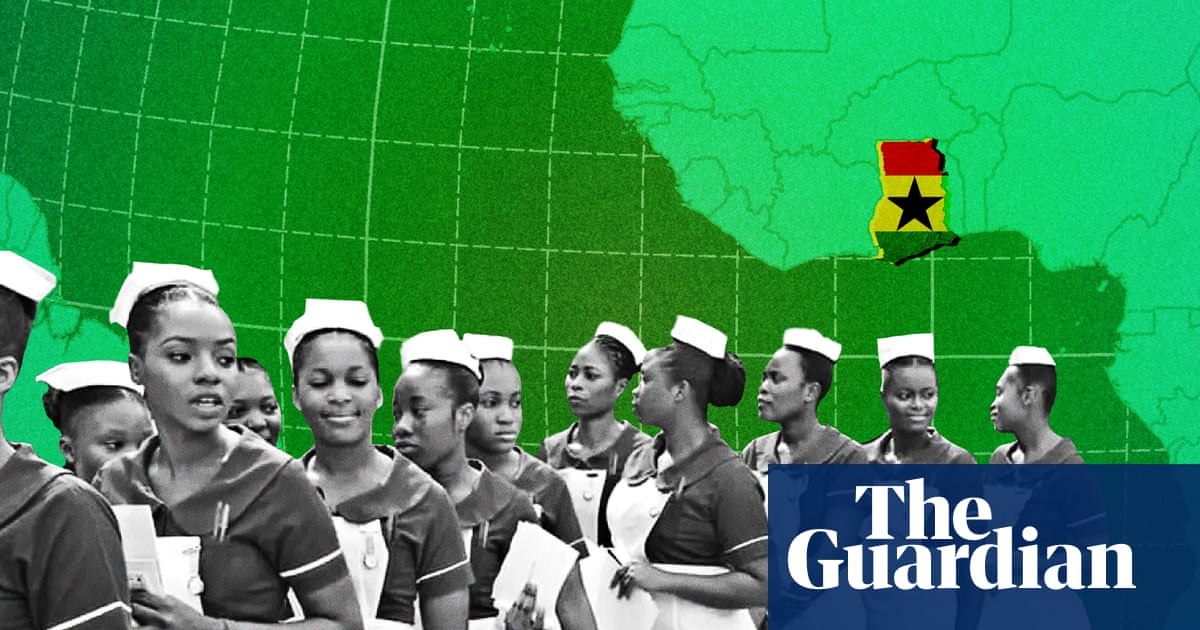
Ghana Faces Critical Nurse Shortage Amid Growing Emigration and Domestic Challenges
In 2024, approximately 6,000 Ghanaian nurses emigrated to countries including the US, UK, Canada, and Australia, while tens of thousands remain unemployed within Ghana. The nation's healthcare system is overstretched, with a high nurse-to-patient ratio posing significant challenges to service delivery. Ghana's population of about 35 million faces increasing concerns over staffing levels, which nursing officials have described as a "timebomb."
To manage the workforce challenges, Ghana has signed recruitment agreements to send nurses to Jamaica and Grenada in 2025, expanding upon a 2019 deal with Barbados. As of July 2025, more than 13 other countries have expressed interest in similar schemes. Ghana is included in the World Health Organization's support and safeguard list of 55 countries facing critical health workforce issues that impact universal health coverage.
Push factors driving the emigration of nurses include low wages, unpaid salaries, and deteriorating infrastructure within the health sector, with the period following the Covid-19 pandemic seeing an accelerated outflow of nursing staff. Among those remaining is Bright Ansah, a 36-year-old nursing officer in Accra who earns around 3,000 Ghanaian cedis monthly. He has also started a healthcare consultancy aimed at retaining talent within the country.
Conversely, some nurses like Nana Yaa Mills, a 39-year-old Intensive Care Unit nurse, are emigrating to the US. She is part of a diaspora network of over 1,000 Ghanaian nurses abroad and hopes to contribute to improvements in Ghana's health system from overseas. Meanwhile, nurses such as 23-year-old rotation nurse Afua Tetteh continue working amid delayed pay and challenging conditions, noting severe workloads with approximately 30 patients to every two nurses on a ward.
