Global Wave of Terror Plots Raises Alarms Over Western Vulnerabilities
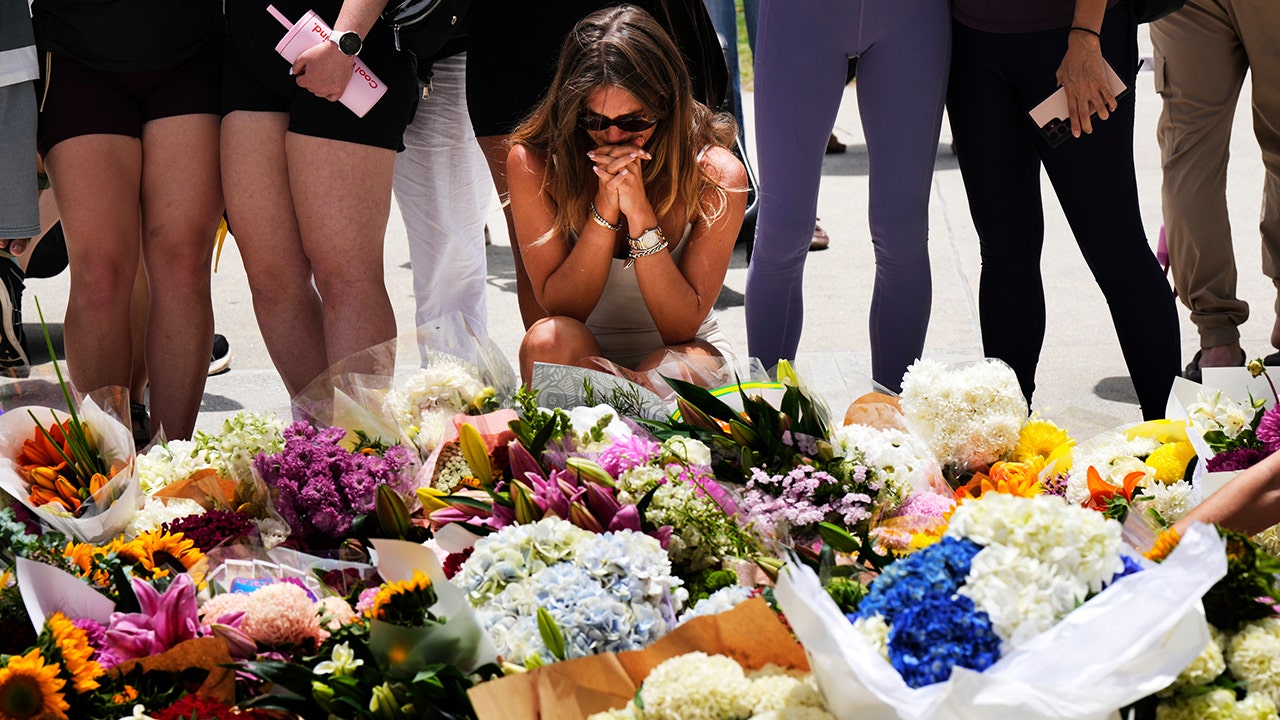
A recent surge in terror plots across multiple countries has exposed growing vulnerabilities in Western democracies. In Australia, the Bondi Beach Hanukkah attack saw two gunmen kill at least 15 people and injure dozens more. The younger attacker had been previously scrutinized for extremist ties, and improvised explosive devices were recovered at the scene but did not detonate. Australian Prime Minister Anthony Albanese condemned the incident as an antisemitic terrorist attack.
In Germany, authorities arrested five suspected militants in Bavaria who were planning an attack on a Christmas market. These suspects, inspired by global jihadist movements, had reached advanced stages in planning their operation. Meanwhile, in the United States, a coordinated law enforcement effort involving the FBI, LAPD, and the Justice Department disrupted plots by a radical pro-Palestinian group planning bombings in Los Angeles on New Year's Eve. Additionally, a fifth suspect was arrested in New Orleans in a separate but ideologically aligned scheme.
In Syria, an ISIS-affiliated gunman killed two U.S. service members and wounded an American civilian working alongside American forces. Analysts note a pattern among these incidents: attackers targeting soft targets with limited preparation, motivated by global ideological movements rather than direct commands from centralized networks.
Michael Makovsky of the Jewish Institute for National Security of America emphasized the persistent threat, noting that extremist networks remain energized by conflicts in the Middle East. He criticized governments for underestimating the risk and neglecting to secure large public Jewish events adequately.
Political responses have reflected these security concerns, with figures linking the threats to migration policies. Remarks by Donald Trump and Marco Rubio highlighted ideological dangers, while Elon Musk also commented on the situation. An Israeli Knesset member criticized Australian officials for failing to take action against antisemitism prior to the Sydney attack.
Collectively, these events suggest a shift toward a more diffuse, multi-theater extremist threat across Western democracies, challenging traditional counterterrorism approaches.