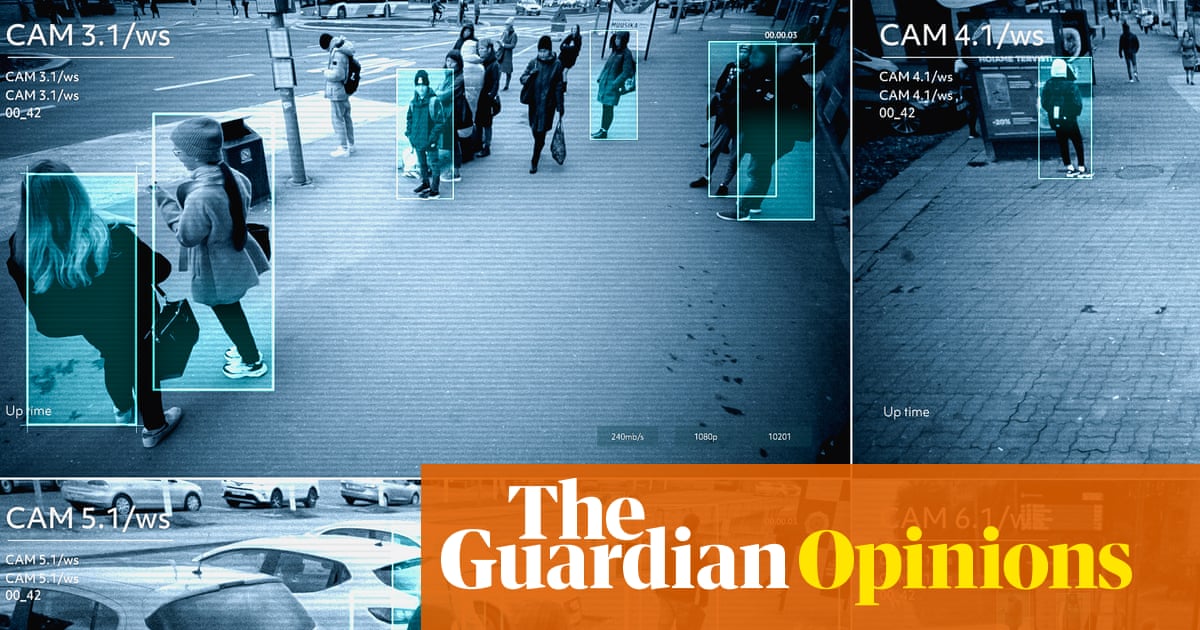
Government Launches Consultation on Nationwide Facial Recognition Amid Privacy Concerns
The UK government has opened a consultation on implementing nationwide facial recognition and surveillance technology, which would enable real-time face matching in public spaces. This move follows existing use in parts of London and other towns, where the Metropolitan Police Service reports that facial recognition has helped catch more than 100 sex offenders.
Whitehall aims for a nationwide deployment, with policing minister Sarah Jones describing the technology as a major breakthrough and a significant time-saver. The Home Office has highlighted potential benefits such as use in crime hotspots, replacing probation ankle tags, linking arrests to live facial recognition including for serious offences, and locating missing children to create a safer environment.
However, the initiative raises significant concerns regarding privacy and data security. Similar large-scale data projects, such as the 2013 NHS attempt to collate GP records, were halted due to worries about inadequate safeguards and the risks associated with centralized personal data being accessed for research or commercial purposes. Experts caution that while safeguards are asserted, modern hackers can breach protections, and the state itself could potentially become a threat to data security.
Revelations from Edward Snowden have exposed that national security justifications can override privacy protections, with evidence showing that data can be accessed or leaked despite official controls. The cooperation between the NSA and UK intelligence, as well as Prism-era surveillance, serve as warnings about the potential for misuse.
Cultural references such as the concepts from the novel "The Circle" illustrate the dangers of universal public identification and constant movement tracking, fueling fears of the emergence of a national hitlist and pervasive surveillance in everyday life.
Overall, while the government highlights the utility of facial recognition for public safety and law enforcement, skepticism persists regarding the robustness of safeguards and the potential for abuse, underscoring the fragility of data security and privacy in the face of expanding surveillance technologies.