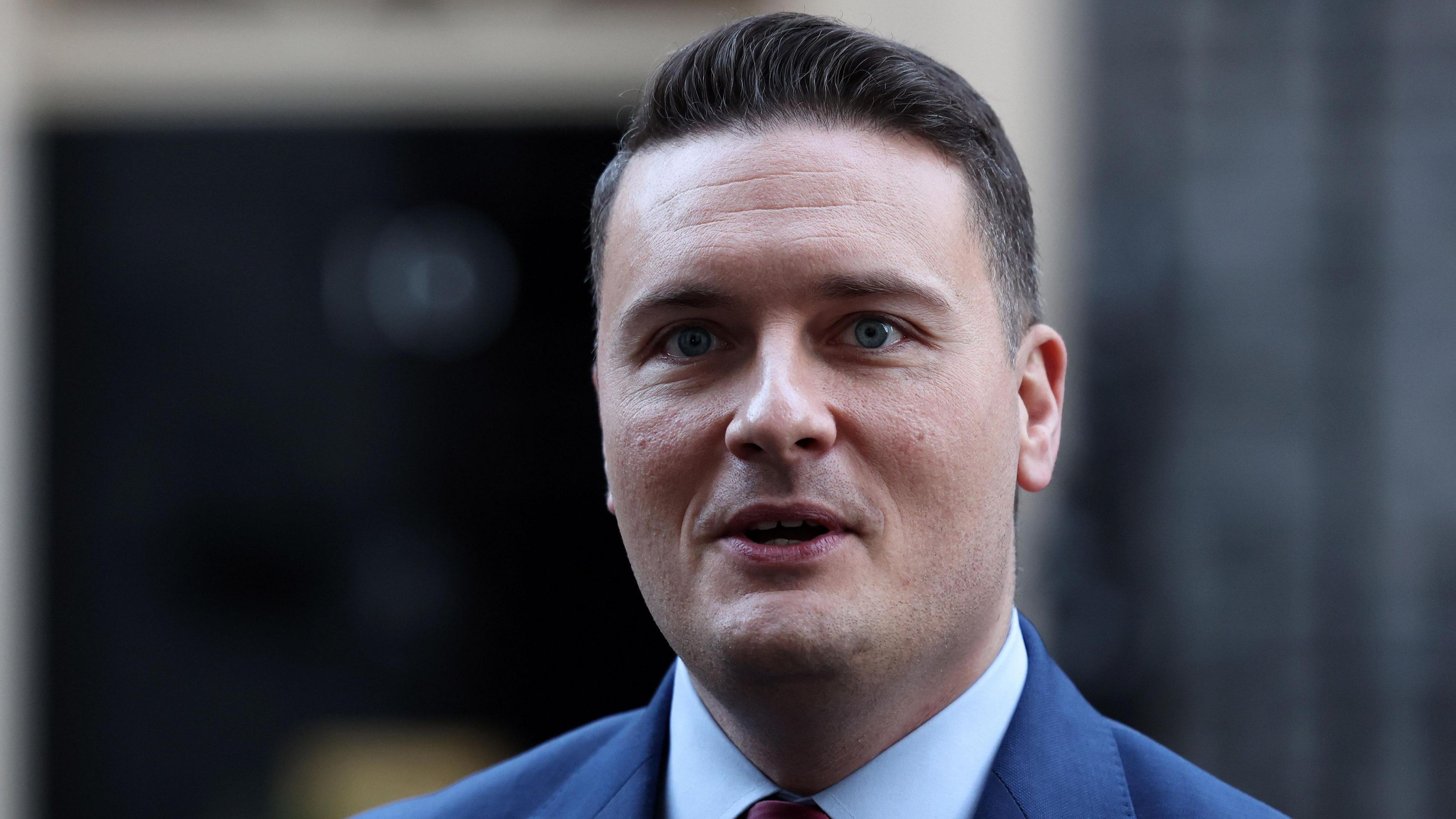
Health Secretary Warns of Rising Flu Hospitalisations Amid Resident Doctors' Strike
Health Secretary Wes Streeting has warned of a potential double whammy affecting the NHS as flu hospitalisations rise sharply while a five-day strike by resident doctors commences on 17 December. He described the pressure on the NHS as potentially the worst since the Covid-19 pandemic.
In the week leading up to Sunday, there was an average of 2,660 flu patients in hospital per day, equivalent to the capacity of three hospitals. Flu cases have risen more than 50% in the past week, driven by a mutated H3N2 strain contributing to higher case numbers and lower community immunity. Although the term "super flu" has been used, the strain is not necessarily more severe.
Scotland has recorded about a 25% increase in confirmed flu cases, with hospital admissions up around 15%. Wales and Northern Ireland have shown similar trends, prompting some schools to implement Covid-related measures. Officials have warned that flu hospitalisations could exceed 5,000 over the weekend. NHS England reported that the current flu wave is at the highest level since records began in 2021.
NHS London medical director Chris Streather stated that the flu situation remains within the NHS’s capacity to manage and cautioned against alarmist language, noting that the timing of the peak is still unclear.
The British Medical Association is polling its members on whether to call off the strike. Health Secretary Streeting has offered to postpone the strike until January to reduce disruption, though the union has not agreed.
Approximately 17 million people have received a flu vaccine. However, vaccination takes up to two weeks to provide full protection. Eligibility for the vaccine includes those over 65, people with health conditions, and pregnant women.