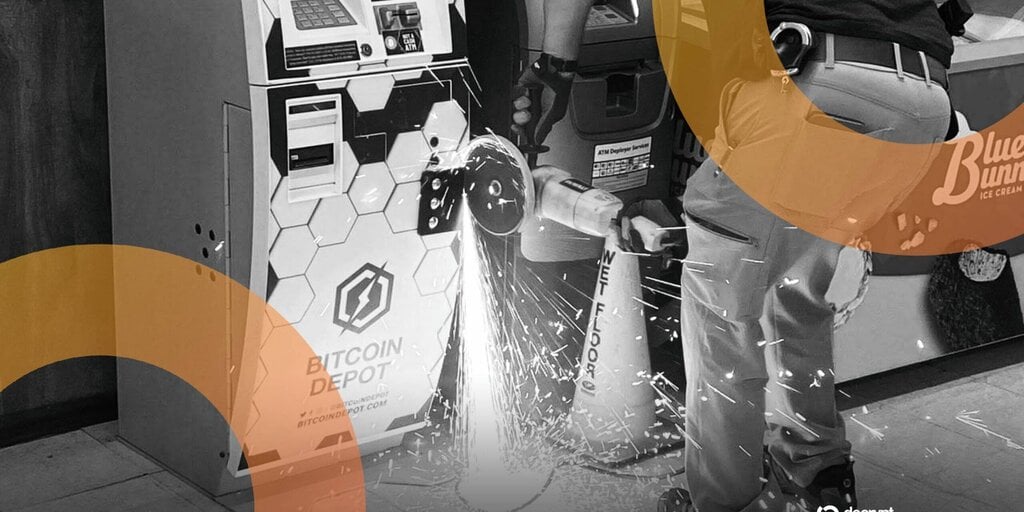
Heightened Scrutiny and Regulatory Actions as Crypto ATMs Face Rising Scams in 2025
In 2025, crypto ATMs faced increased scrutiny from authorities worldwide as they tackled a surge in scams related to these machines. By mid-November, the United States housed approximately 30,750 crypto ATMs, representing 78% of the global total of about 40,000 units, a figure that had stabilized since 2022.
Legal battles and regulatory measures emerged amid allegations of hidden fees and victim exploitation. The Iowa Supreme Court ruled that crypto ATM operators can retain cash in fraud cases based on terms of service agreements. In Jasper County, Texas, sheriffs intervened by cutting into a Bitcoin Depot kiosk, recovering $32,000 in cash, which Bitcoin Depot asserted belonged to the company.
Meanwhile, Iowa Attorney General Brenna Bird filed lawsuits against Bitcoin Depot and CoinFlip, accusing them of charging concealed transaction fees and profiting from scam victims. The District of Columbia Attorney General Brian L. Schwalb sued Athena Bitcoin in September over alleged undisclosed fees as high as 26% and exploitation of elderly consumers, citing consumer protection laws.
Legislative responses included the introduction of the Crypto ATM Fraud Prevention Act by Senator Dick Durbin in February, proposing transaction caps and mandated refunds for fraud losses; however, this bill has yet to advance in the Senate. Illinois enacted laws in August requiring operator registration, capping fees at 18%, and restricting daily transactions for new users to $2,500. Contrastingly, Spokane, Washington implemented a citywide ban on crypto ATMs, part of a broader trend with over 20 states addressing ATM scams, as noted by AARP.
Internationally, New Zealand banned crypto ATMs nationwide in June. American consumers reported losses totaling $246 million from crypto ATM-related scams in 2025, reflecting a 99% increase year-over-year. Notably, approximately 43% of these losses affected individuals over the age of 60.