History of Two-Day Tests in Ashes Cricket Between Australia and England
Eight two-day Tests have been played between England and Australia out of 27 two-day Tests overall; two of these occurred in the current Ashes series, with six dating from over a century ago. The Melbourne Boxing Day Test in the current series was Test number 2,615 overall and the 27th two-day Test, illustrating the rarity of this format, which accounts for about 1% of all Tests.
The 1882 Oval match that inspired the Ashes ended dramatically with Australia beating England by seven runs following a run-out incident involving WG Grace and Spofforth’s bowling. In the 1888 English season, known for its soggy summer, three two-day Tests were played: Australia won the first, while England took the next two by innings.
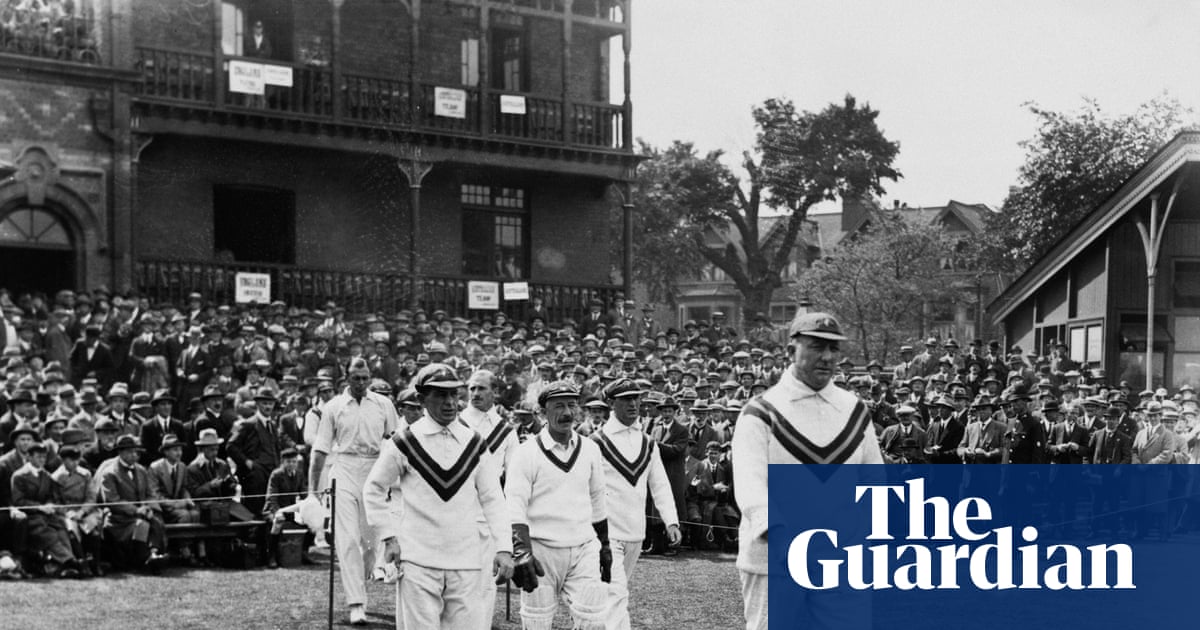
The 1890 Oval Test was rain-affected, and after a tense chase, England secured victory by two wickets, a result that remained uncertain until the end due to a batting collapse. The 1921 Trent Bridge Test was notable for introducing the fast-bowling partnership of Jack Gregory and Ted McDonald, who took a combined nine wickets in the first innings and seven more the following day. McDonald’s five-wicket haul in the second innings represented a turning point for two-day Tests.
After World War II, two-day Tests disappeared for decades but resurged in the 2000s, appearing occasionally with emerging teams such as Zimbabwe and Afghanistan, as well as a few matches featuring senior teams, for example Leeds 2000 West Indies and Sharjah 2002 Pakistan.
Recent two-day pitches in the Ashes are regarded among the best in history, highlighting changes in pitch preparation and tactical approaches rather than any single problematic pitch.