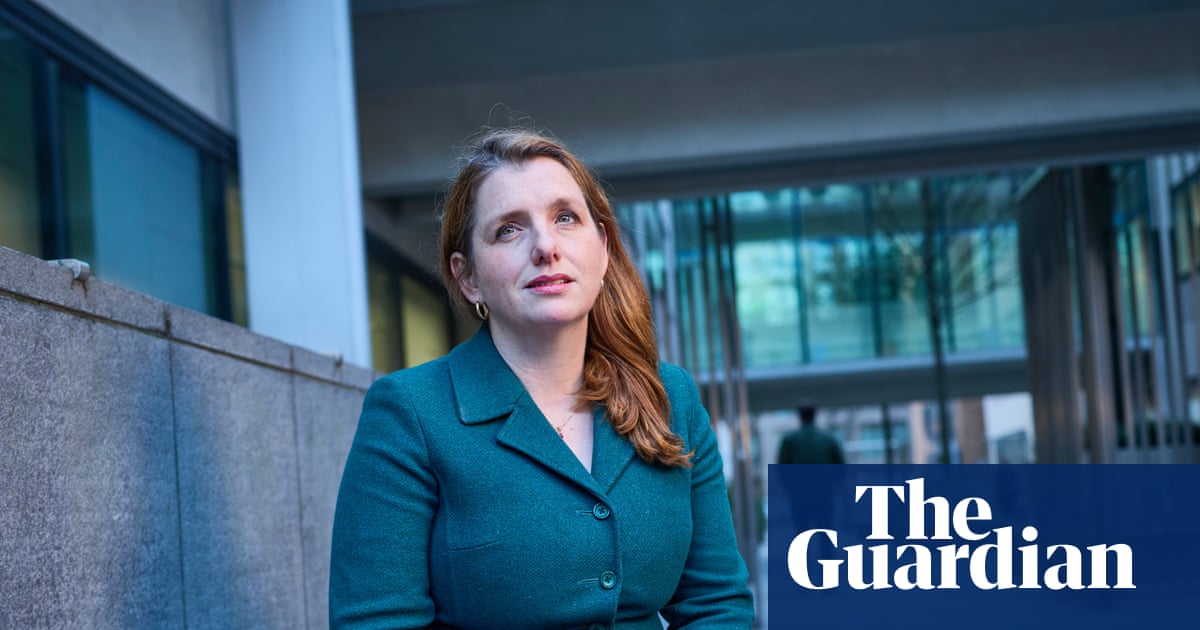
Homelessness Minister Commits to Ending Use of B&Bs for Emergency Housing Amid Rising Homelessness Concerns
Alison McGovern has pledged to end the use of bed and breakfasts (B&Bs) as emergency housing by the end of the current parliament, allowing exceptions only in dire emergencies. This commitment is part of a newly announced three-year homelessness strategy aimed at reducing the use of temporary accommodation and halving rough sleeping. The strategy includes hundreds of millions of pounds in funding, notably a £124 million fund dedicated to supported housing for people with complex needs.
Data from Shelter reveal that homelessness in England rose by 8% over the past year, with more than 380,000 individuals currently classified as homeless and approximately 350,000 accommodated in temporary housing. The government intends to introduce a "duty to collaborate" that will require various public bodies to work jointly to prevent individuals being released from prisons or hospitals onto the streets. Specific targets include halving the incidence of homelessness on the first night following prison release and reducing homelessness resulting from hospital discharges.
Despite these measures, campaigners have criticized the government for not increasing housing benefit, which they argue is crucial for short-term homelessness reduction. Andy Burnham has voiced concerns regarding the freezing of the Local Housing Allowance until at least 2026, suggesting that this policy widens the rent gap and contributes to increased homelessness. Additionally, the charity Crisis has reported a 22% rise in homelessness among people discharged from hospitals and prisons in the last year, calling for enhanced care and support to prevent individuals from relapsing into homelessness.
Key stakeholders such as Riverside have urged the government to provide clarity on who will be responsible for implementing the homelessness strategy, the timelines involved, and the resources that will be made available to ensure its success.