How the Darién Gap in Panama Turned the Tide on Logging and Deforestation
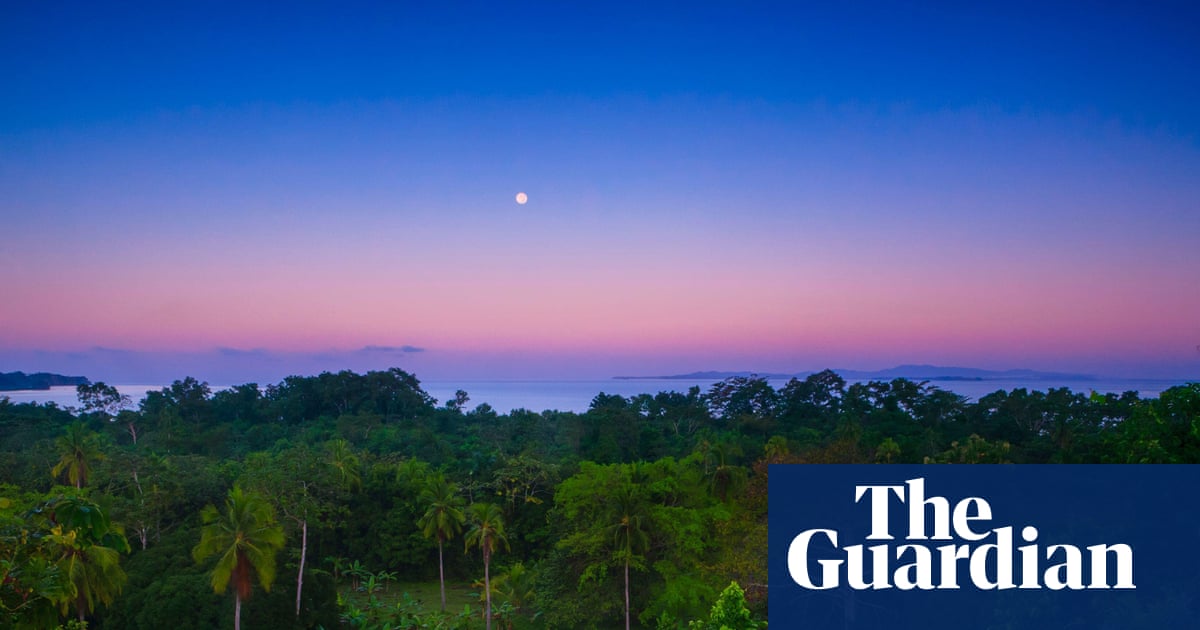
The Darién Gap, a 575,000-hectare no-road area within Darién National Park in Panama, is one of the world’s most biodiverse forests. Protecting this vital ecosystem has historically been challenging, with about 15% of the forest lost over two decades due to logging, mining, and cattle ranching.
In 2022, Panama launched a hard-line crackdown on deforestation, modernising the park ranger force and imposing a blanket logging moratorium on indigenous permits. When President José Raúl Mulino took office in July 2024, he purged corrupt officials and expanded the ranger force from around 6 to over 40. Ranger patrols increased dramatically from nearly zero in 2022 to 55 in 2024, with plans to deploy more than 150 by 2025.
Global Conservation partnered with the park by providing trucks, boats, food, and fuel, thus boosting ranger reach and safety. A significant technological shift has occurred: rangers now use cameras, satellites, and EarthRanger technology powered by Starlink, enabling real-time communication and rapid response. The system integrates Global Forest Watch fire alerts, contributing to the absence of fires in 2024 and 2025.
These combined efforts resulted in an 88% reduction in forest loss inside the park between 2022 and 2025, with logging nearly eliminated by 2025. The project's approach emphasizes co-investment with governments, arguing that direct funding can be faster and more effective than traditional climate grants. Morgan from Global Conservation suggests that $200,000 per park per year could scale such success to 1,000 parks worldwide.
The Darién initiative is presented as a potential global blueprint for halting deforestation, thereby protecting a major regional carbon sink and preserving biodiversity.