Hurricane Melissa Devastates Jamaica and Impacts Jamaican Agricultural Workers in the US
Hurricane Melissa, a Category 5 storm, has devastated Jamaica, affecting about 90,000 households and impacting approximately 360,000 people. The aftermath has been marked by price gouging and shortages of essential staples like flour, with increased costs for building materials complicating recovery efforts.
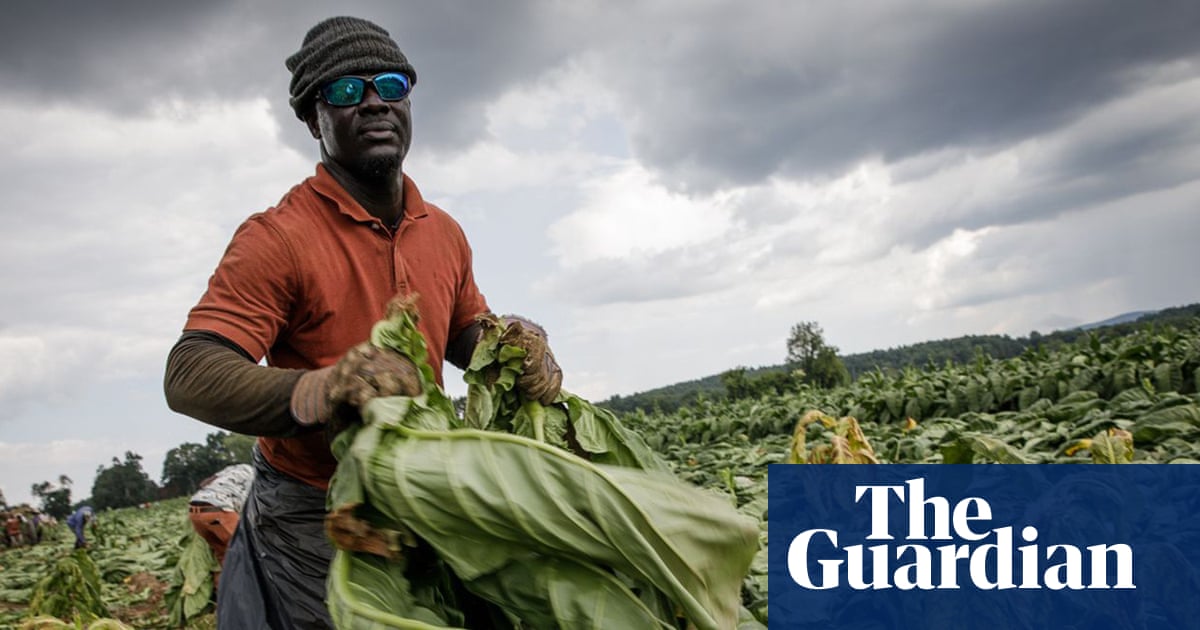
About 5,000 Jamaican workers travel annually to the United States on H-2A visas, a program that is central to US agricultural labor. In 2024, authorizations for H-2A workers exceeded 380,000, representing roughly 15% of the US agricultural workforce.
Jamaican workers such as Owen Salmon, employed at Wafler Farms in Wolcott, New York, have faced pressure from management to work quickly during harvesting seasons. Some workers reported being unable to return for successive seasons, though Wafler Farms denies failing to recall workers and states that it must offer positions to US workers before hiring via the H-2A visa program. Salmon and his colleagues unionized in 2022, and a Wayne County judge upheld the New York state labor board’s certification of the union. Following this, Wafler Farms began coordinating with the United Farm Workers (UFW) to implement the bargaining agreement and notably donated to housing recovery efforts.
At Cahoon Farms in Wolcott, Jamaican worker Damian described the destruction of his home and the stress tied to returning to Jamaica amid concerns over his job status. Marley, another worker from Cahoon Farms, has returned to Jamaica and is struggling to contact friends and co-workers affected by Hurricane Melissa. Cahoon Farms did not respond to requests for comment.
The United Farm Workers has launched a fundraiser to help rebuild the homes of union members affected by the hurricane, including Salmon and other workers in New York. The initiative aims to support agricultural workers caught between the storm's impact at home and their roles in the US agriculture sector.