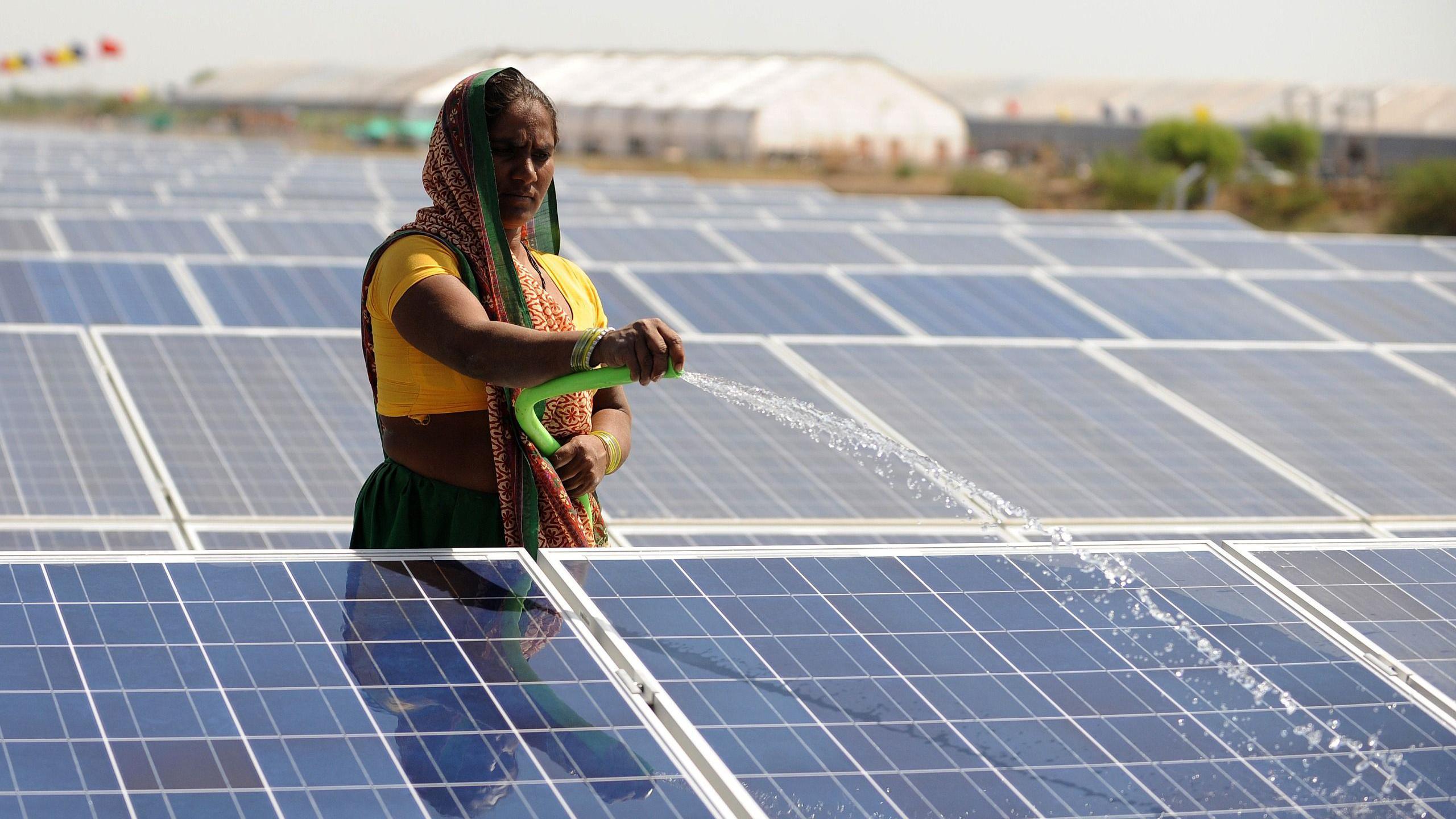
India Faces Growing Solar Panel Waste Challenge Amid Rapid Solar Expansion
India is the world’s third-largest solar energy producer, with solar power now accounting for over 20% of the country's installed capacity. This growth has been driven in part by rooftop solar systems and subsidy programs, leading to adoption by approximately 2.4 million households.
However, India currently lacks a dedicated solar-waste recycling budget and operates only a few small processing facilities. Solar panels typically last around 25 years, and with most large solar parks built in the mid-2010s, the country is anticipating a significant increase in solar waste over the next decade or so.
Although there is no official data on solar panel waste, estimates suggest about 100,000 tonnes of solar waste by 2023. This is projected to rise sharply to around 600,000 tonnes by 2030. A study by the Centre for Energy and Waste (CE EW) projects more than 11 million tonnes of solar waste by 2047. Addressing this volume would require close to 300 dedicated recycling facilities and an estimated investment of approximately $478 million.
India's 2022 electronic waste regulations mandate manufacturers to take responsibility for end-of-life management of solar panels. However, enforcement remains uneven, especially for home and small-scale panels that account for 5–10% of installations. Discarded or damaged solar panels frequently end up in landfills or with unauthorized recyclers, posing environmental risks due to potential release of toxic materials.
Efficient recycling efforts have the potential to reclaim about 38% of material from old panels to produce new ones by 2047. This could also prevent an estimated 37 million tonnes of carbon emissions by reducing mining demands.
To address these challenges, India requires a regulated, self-sustaining recycling system alongside increased household awareness of solar waste issues. Integrating waste collection and disposal into existing solar business models is crucial, as is ensuring manufacturers fully uphold their responsibilities for the end-of-life management of solar panels.