Innovations and Challenges in Data Centre Cooling Amid Growing AI Demand
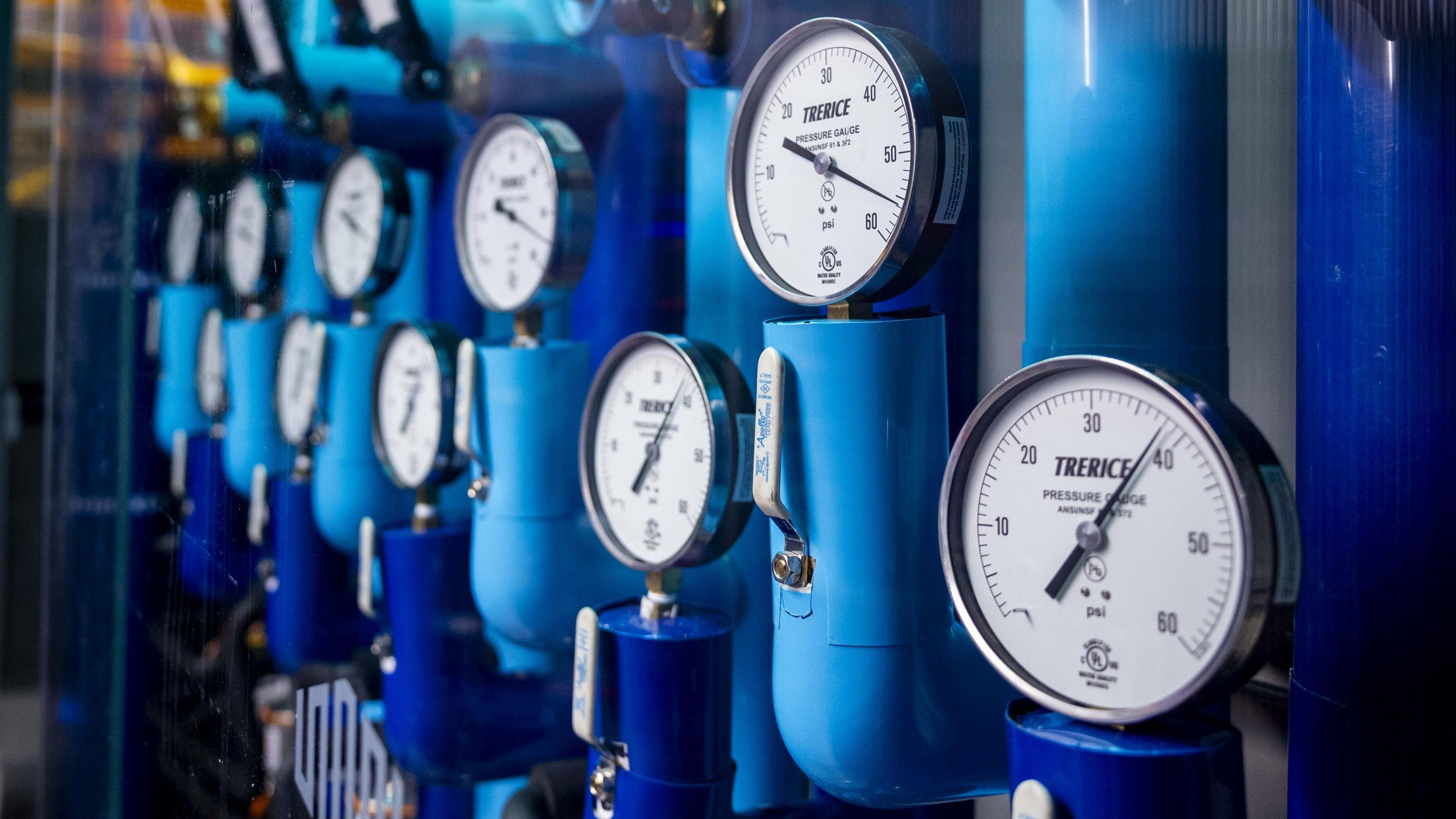
Data centres are increasingly adopting liquid cooling systems that use water-cooled, oil-based fluids in a closed loop to efficiently remove heat, enabling high-speed operation and overclocking. Iceotope, a company in this field, claims its system can reduce cooling energy demand by up to 80%, maintaining water in a closed loop and using oils that may be fossil-fuel-derived but are PFAS-free.
Some two-phase cooling technologies rely on refrigerants containing PFAS, which raise safety and greenhouse-gas concerns. In response, several vendors are transitioning towards PFAS-free refrigerants to mitigate these risks.
Sustainability efforts also include innovative uses of waste heat; for instance, a hotel chain client plans to repurpose heat from hotel servers to warm guest rooms, laundry facilities, and a swimming pool.
The significance of reliable cooling was underscored in November when CME Group experienced a cooling-system failure that disrupted their financial trading technology. To avoid similar disruptions, the firm has since added external cooling capacity.
The surge in AI technology demand, particularly for large language models, drives increasing pressure on data centres, stirring controversy over energy and water use. Over 200 environmental groups have petitioned for a moratorium on new data centres in the US.
Microsoft's subsea data centre off Orkney utilized cold seawater to achieve exceptional efficiency (Power Usage Effectiveness, PUE, of 1.07), requiring no water for cooling. However, despite these advantages, the project was discontinued for economic reasons. Insights from this venture emphasize the reliability gains possible through fewer operators, while continuing exploration into liquid cooling and microfluidics remains ongoing.
Researchers at the University of California San Diego propose a novel pore-filled membrane cooling technology that could passively cool chips by converting heat into a pumping action. This development aims for future commercialisation.
Industry experts emphasize that the mounting energy demands from AI are catalysing new cooling innovations and advocate for greater transparency concerning the energy consumption of data centres.