Innovations and Challenges in Data Centre Cooling Technologies
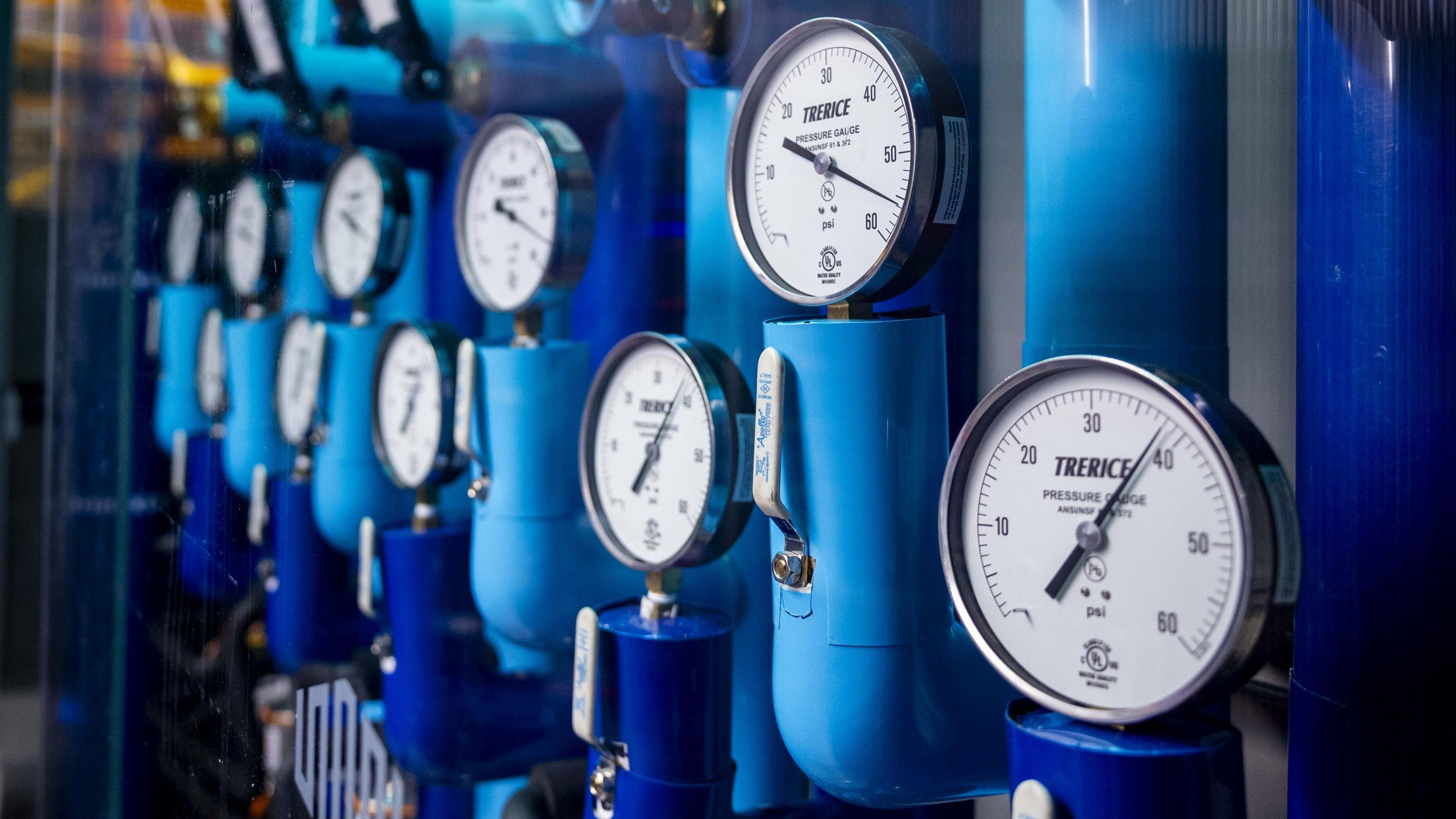
Data centres require continuous and effective cooling to maintain high-speed operation and allow overclocking with a low risk of overheating. Liquid cooling methods, including spraying or immersion, are gaining attention due to their efficiency in reducing energy use. Iceotope, for example, claims that its liquid cooling system can cut cooling energy needs by up to 80% using a closed-loop water system.
The demand for data centres is rising rapidly due to the growth of artificial intelligence applications. However, the environmental impact of their substantial energy and water consumption has sparked controversy. Over 200 environmental groups in the US have called for a moratorium on new data centre construction due to these concerns.
Addressing energy reuse, a US hotel chain plans to repurpose the heat generated from its hotel servers to warm guest rooms, laundry facilities, and swimming pools. Meanwhile, Microsoft’s subsea data centre off the coast of Orkney utilized seawater cooling, achieving a power usage effectiveness (PUE) of 1.07 with reportedly no water consumption. Though the project was eventually shuttered for economic reasons, its insights have informed ongoing explorations into liquid cooling technologies, such as those involving microfluidics.
Recent research from UC San Diego proposes a novel pore-filled membrane-based cooling approach that enables passive cooling powered solely by heat, potentially scalable for extensive use.
Concerns around safety and sustainability have also emerged, particularly regarding refrigerants used in two-phase liquid cooling systems. Some contain PFAS chemicals, which pose risks due to vapor leaks. In response, several companies are transitioning to PFAS-free refrigerants to mitigate these safety issues.
An incident in November at CME Group highlighted the critical importance of reliable cooling; a cooling failure disrupted their trading technology. CME Group responded by adding external cooling capacity to prevent future disruptions.