Innovations and Challenges in Data Centre Cooling Technologies
Data centres, essential for supporting the rise of artificial intelligence and other digital demands, face increasing scrutiny due to their energy and water consumption. More than 200 environmental groups in the US have called for a moratorium on the construction of new centres to address these concerns.
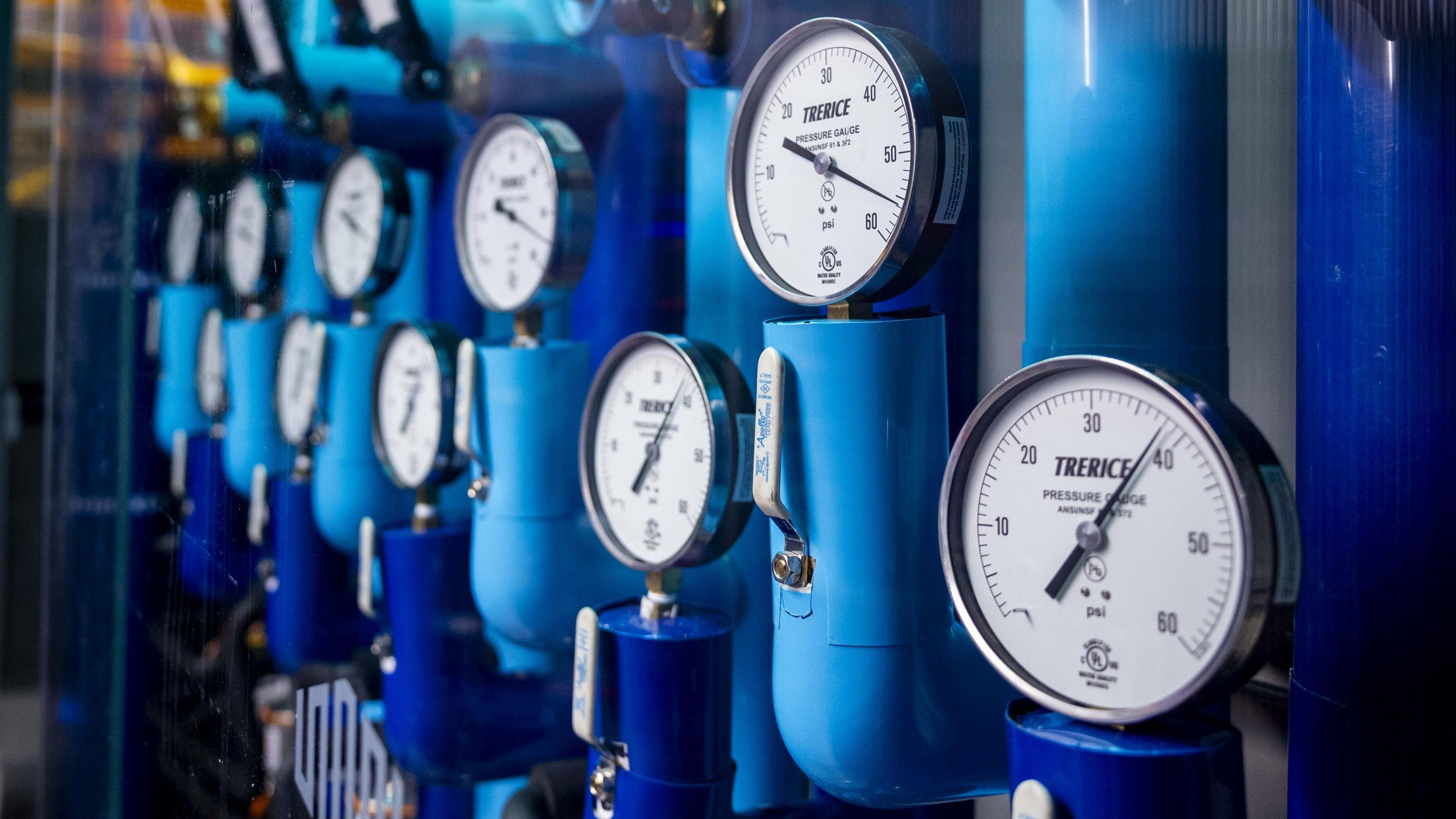
Innovative cooling technologies are being developed and implemented to reduce the environmental impact. Iceotope uses a closed water loop to cool an oil-based fluid in direct contact with components, potentially cutting cooling energy demand by up to 80% across the data centre. Additionally, a US hotel chain plans to repurpose waste heat from data-centre servers to warm guest rooms, laundry facilities, and a swimming pool.
Traditional two-phase cooling methods often rely on PFAS-containing refrigerants, which have raised safety and greenhouse gas issues. Consequently, some operators are switching to PFAS-free alternatives. Microsoft’s subsea data centre off Orkney employed seawater cooling to achieve a Power Usage Effectiveness (PUE) of approximately 1.07 with zero water usage. Although this project was eventually shut down due to unfavorable economics, it provided valuable insights for current operations.
In November, a cooling-system failure at CME Group caused downtime for its trading technology. To prevent similar incidents, CME has added external cooling capacity.
Researchers continue to explore next-generation cooling approaches such as microfluidics, which involve nanometre-scale liquid channels in silicon, and pore-filled membrane cooling that aims to enable passive cooling powered solely by heat. These advancements hold promise for future commercial applications to improve efficiency and sustainability in the data centre industry.