Innovations in Flame Retardants for Wood and Building Materials
Burnblock is a flame retardant marketed for wood and other building materials, though its exact ingredients are undisclosed by Halt or Burnblock. According to documents from the Danish Technological Institute, it includes natural components and citric acid. In online tests, model houses treated with Burnblock resist a blowtorch significantly better than rival-treated models, which collapse under the same conditions. The Burnblock-treated sections become charred but largely remain intact.
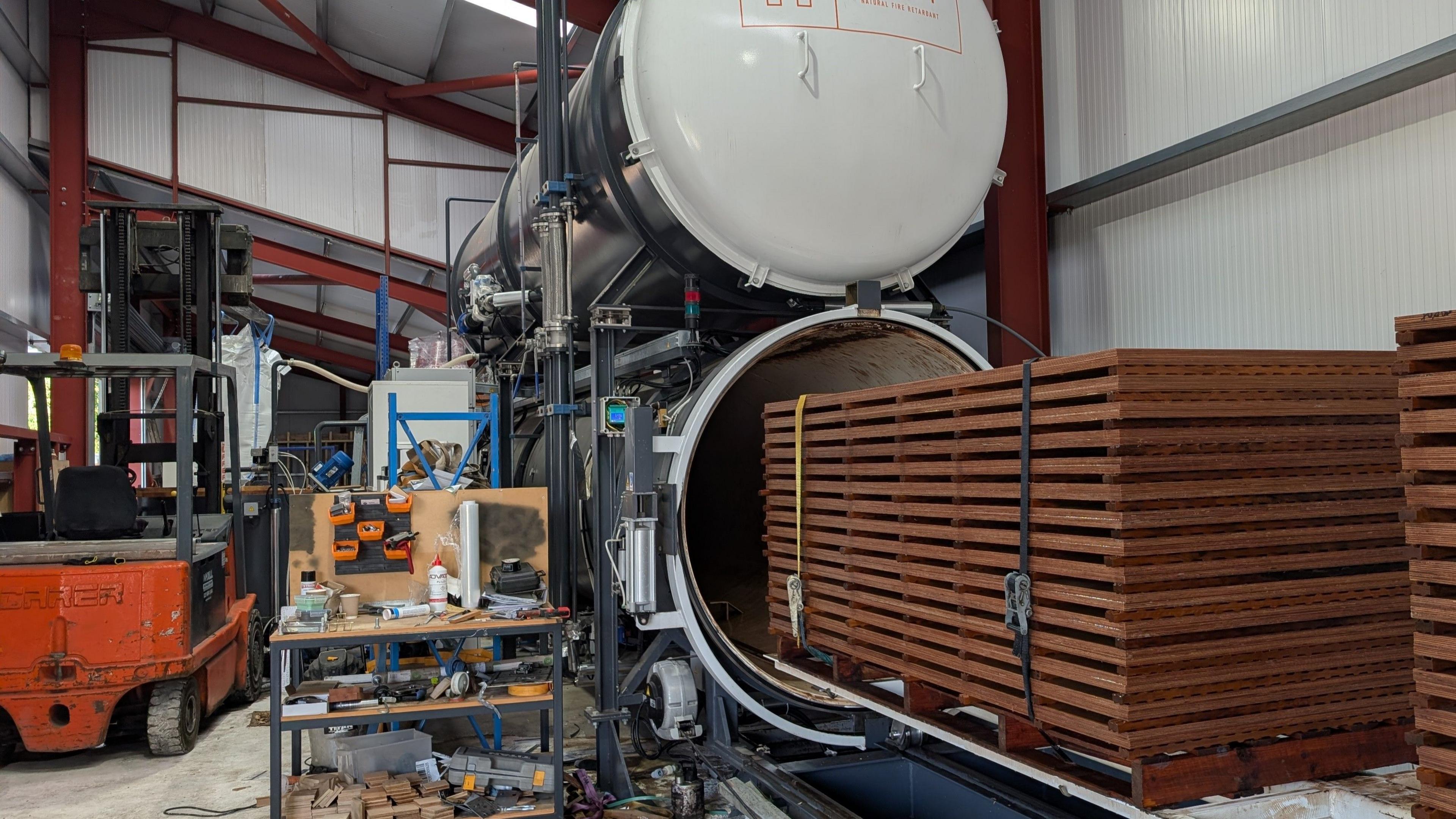
The claimed mechanism of Burnblock involves forming a protective char layer, releasing water to absorb heat, slowing the spread of fire, and limiting the supply of oxygen. Halt of Belfast has supplied Burnblock-treated timber to hundreds of locations across the UK and Ireland, including projects like HS2. Their treatment process involves applying a vacuum to open the wood pores, using pressure to drive the flame retardant fluid deeply into the core, followed by kiln drying for a period ranging from about 10 days to six weeks.
Fire-science expert Richard Hull notes that while wood burning can be altered by such treatments, he expresses skepticism about some flame retardants citing past failures, such as clay nanocomposites, that did not perform as expected.
In parallel developments, the Australian company First Graphene promotes PureGRAPH graphene additives aimed at slowing fire spread in plastics. This additive's mechanism includes creating a gas barrier and forming a protective char layer. Safety data indicate no significant health hazards. Vector Homes plans to license PureGRAPH for use in plastic pellets, specifically for fascia boards.
Separately, Stanford’s Eric Appel is developing gel-like fire retardants that could potentially be sprayed on homes to protect against wildfires. Early laboratory experiments show these retardants forming aerogel-like structures under heat. Appel’s team plans to conduct further tests on small-scale structures.
These innovations are framed within a broader context where toxicity concerns surrounding traditional flame retardants have driven the search for safer options. Additionally, the rising threat of external wildfires has heightened interest in new protective sprays and coatings for buildings.