Inside Venezuela's Capital Caracas Amid US Military Threats and Domestic Crisis
The US has threatened military intervention in Venezuela, accusing President Nicolás Maduro’s government of operating a narcotics trafficking network and targeting a government-linked narco cartel. Amid these international tensions, a Sky News team traveled to Caracas to assess life in the capital under mounting pressure.
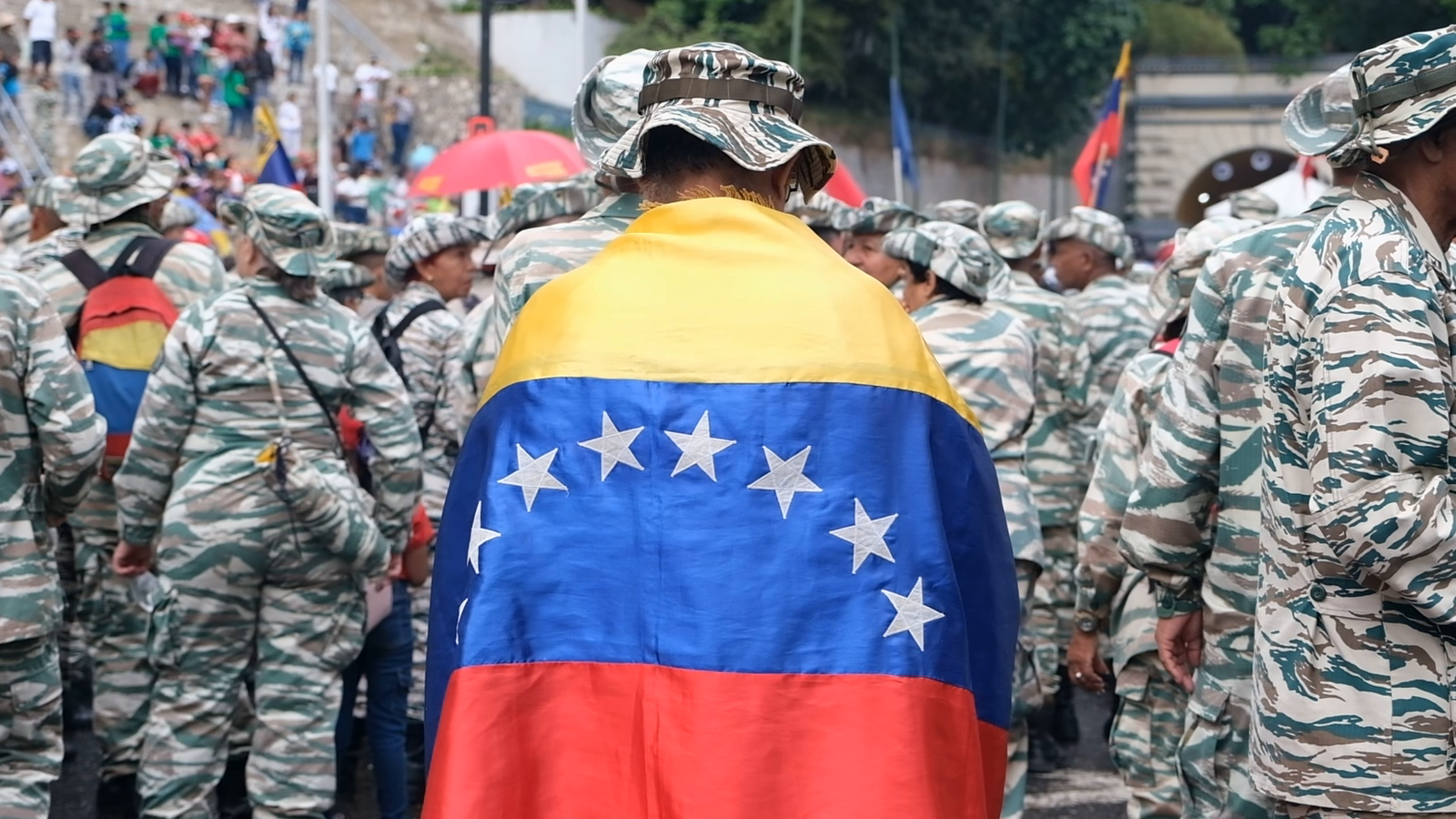
In Caracas, journalists face significant safety concerns and restrictions on filming. The report captures perspectives from both government supporters and opposition members as the city grapples with severe economic hardship. Maduro remains visible in public spheres, attending rallies where supporters are bused in. Among these supporters, opinions vary; some call for confronting US threats, while others hope for peaceful dialogue with then-US President Donald Trump.
Geographically, Caracas is located in a valley with Avila mountain nearby and is close to the Caribbean Sea, a region where the US Navy maintains a strong presence. The country, however, is enduring severe domestic crises, including widespread poverty and the collapse of health and education systems. Over a quarter of Venezuela's population has emigrated amid these struggles. Residents often depend on social housing or live in barrios.
The state security apparatus in Caracas is highly visible and operates as a police state, with numerous checkpoints and frequent arrests. Since 2014, more than 18,000 politically motivated detentions have been recorded, with a surge following the 2024 elections. Human rights groups and lawyers report extensive use of arrests to suppress dissent, including detaining family members of targeted individuals and labeling protesters as terrorists to justify detention. The organization Foro Penal has documented extensive case files and warns that repression is worsening.
Public sentiment about political change is mixed: while some fear retribution for dissent, others believe diplomatic talks may still defuse tensions. For many Venezuelans, the focus remains on surviving the ongoing economic hardships.