Inside Venezuela's Capital Caracas Amid US Threats of Military Intervention
The United States has threatened military intervention in Venezuela, targeting a government-run narco trafficking network led by President Nicolás Maduro. Venezuela is grappling with severe economic collapse, with over a quarter of its 29 million people having fled the country. Those who remain often live in poverty, residing in social housing or barrios, and face weak health and education systems.
The country is described as a police state, with state security services on high alert. Checkpoints and politically motivated detentions are common; since 2014, more than 18,000 arrests have been made for political reasons, with detentions increasing notably after the 2024 elections. Opposition figures are often detained under terrorism charges, and human-rights groups report that the government uses criminal processes to neutralize dissidents, sometimes detaining family members as well.
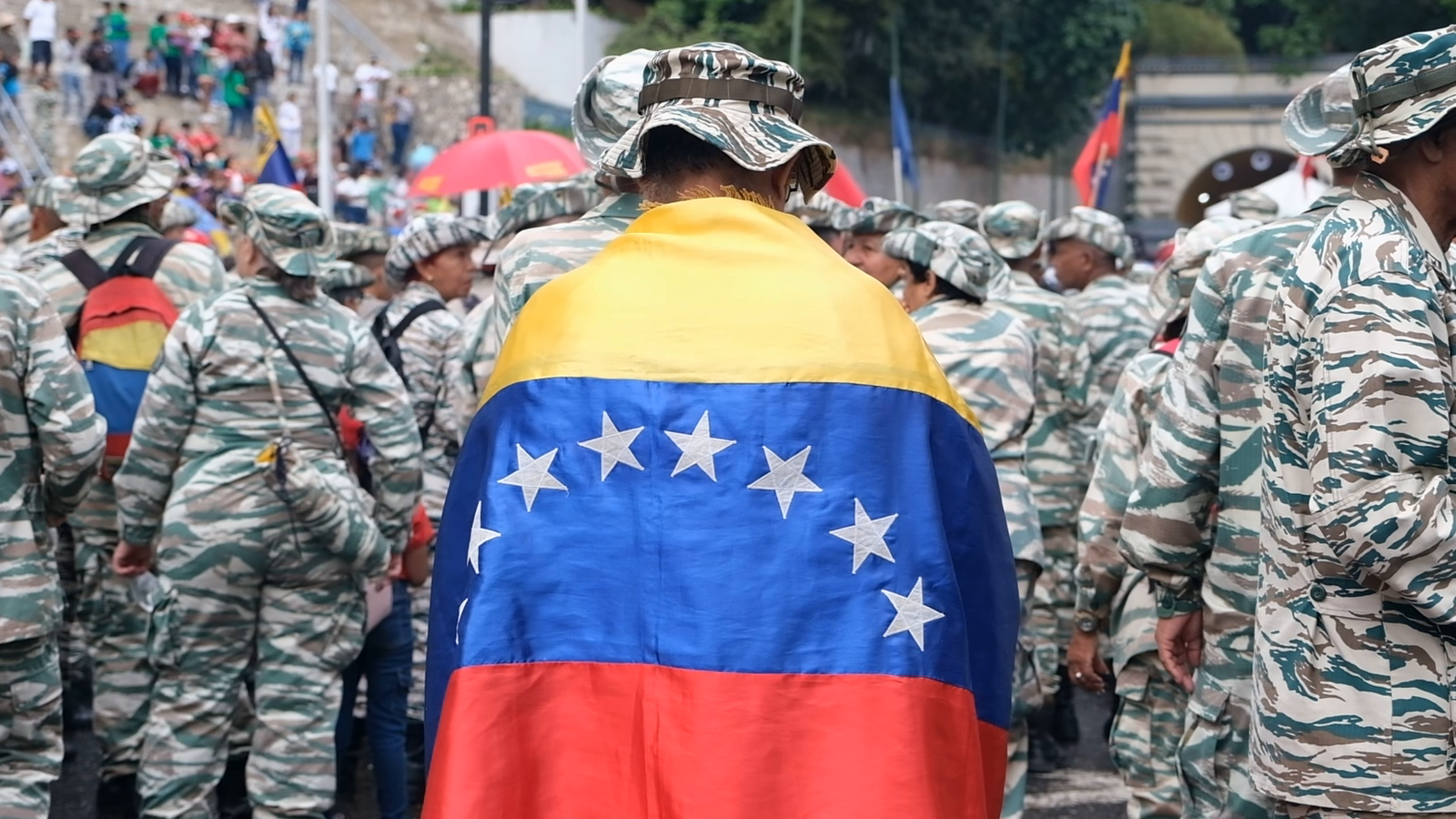
Supporters of Maduro are mobilized by community groups, militias, former soldiers, and government workers who are bused to rallies. Some frame the US threats as attempts to seize Venezuela's riches, while others call for dialogue amid the tensions. The last major opposition rally took place in January in support of Maria Corina Machado, noted in the report as a Nobel Peace Prize recipient. The international community continues to question the fairness of the elections.
Despite a superficial appearance of normal life, fear deeply permeates daily existence in Caracas, as people worry about potential detention, disappearances, and the government's increasingly tight grip on dissent.