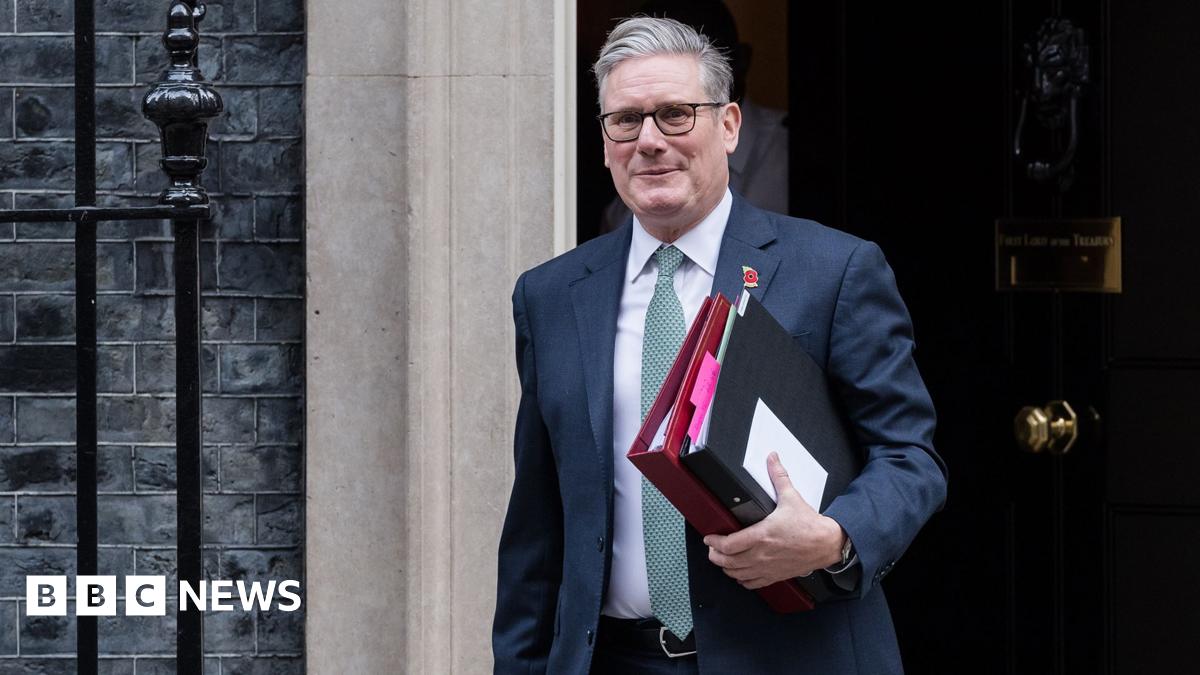
Internal Tensions and Leadership Questions in UK Labour Party
Anonymous briefings recently revealed internal conflicts within the UK Labour Party, claiming that Keir Starmer would resist any leadership challenge while suggesting that ministers including Wes Streeting were plotting against him. Starmer demanded that those responsible for these briefings be sacked, and the Prime Minister expressed that attacks on ministers were unacceptable.
Questions arose over whether the Prime Minister authorized or was aware of the briefings, leading to talk of a leak inquiry and potential sackings at No 10 Downing Street. Morgan McSweeney, No 10 chief of staff credited with Labour's election landslide, became a focal point of criticism with calls for accountability, though officials maintain that no one at No 10 was behind the briefings.
The government and Starmer are both unpopular, a dynamic that has driven Labour to consider how long Starmer can remain in Downing Street. The Prime Minister was reported to be incandescent about how the situation unfolded and is reviewing the process by which the briefings occurred. The scale and emphasis of the briefings exceeded expectations, and there are concerns this could recur unless popularity improves.
To mend tensions, the Prime Minister and Wes Streeting spoke by phone. Starmer apologized during the call, and they agreed to continue talks, although no public resolution on McSweeney was reached. Streeting publicly denied planning a leadership challenge, described Downing Street as toxic and sexist, and urged that those behind the briefings be sacked. He also highlighted issues concerning the handling of pre-arranged interviews.