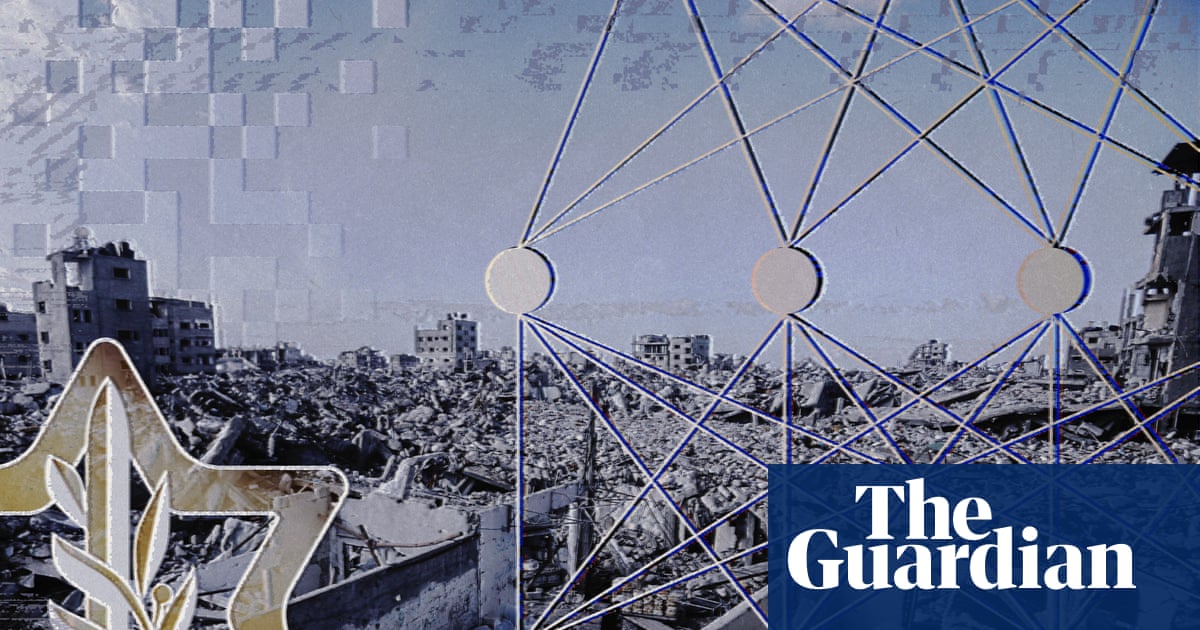
Investigations Reveal Close Ties Between Israeli Military and Silicon Valley Firms in Gaza Conflict
A year-long investigation by The Guardian has unveiled a deeply intertwined relationship between the Israeli military and major Silicon Valley companies, including Microsoft, Google, and Amazon, significantly influencing warfare strategies in Gaza and the West Bank.
Israel’s extensive surveillance apparatus collected and stored virtually all Palestinian phone calls on Microsoft’s cloud services. Following public exposure, Microsoft reduced some access to this data. The military employed advanced AI tools to analyze the surveillance information, developing systems such as a ChatGPT-like interface and the Lavender machine-learning score, which assesses the likelihood of Hamas membership based on Gaza residents’ phone numbers. This enabled large-scale targeting operations.
The use of AI and big data facilitated the storage and processing of vast intelligence pools, supporting rapid decision-making and managing numerous targets simultaneously during combat operations. The Nimbus project, involving contracts with Google and Amazon cloud services since 2021, moved government and Defense Ministry data to US cloud platforms, raising critical questions about US policy and reliance on Western technology in military contexts.
Unit 8200’s role remains prominent, with its former head Yossi Sariel endorsing close collaboration between militaries and big tech firms, similar to traditional defense contracting. The expansion of AI and surveillance capabilities intensively increased both before and after the October 7 escalation.
Following October 7, the data usage scope expanded, with tens of thousands of reservists mobilized and surging demand for enhanced storage and data analysis tools. Intelligence generated through these tools interlinked with targeting data for airstrikes in Gaza, which resulted in civilian casualties.
This cooperation has triggered internal dissent and employee activism within Microsoft, Google, and Amazon, as products associated with surveillance and military actions faced growing scrutiny. Additionally, potential legal implications have emerged under International Court of Justice rulings concerning allegations of genocide and corporate accountability.