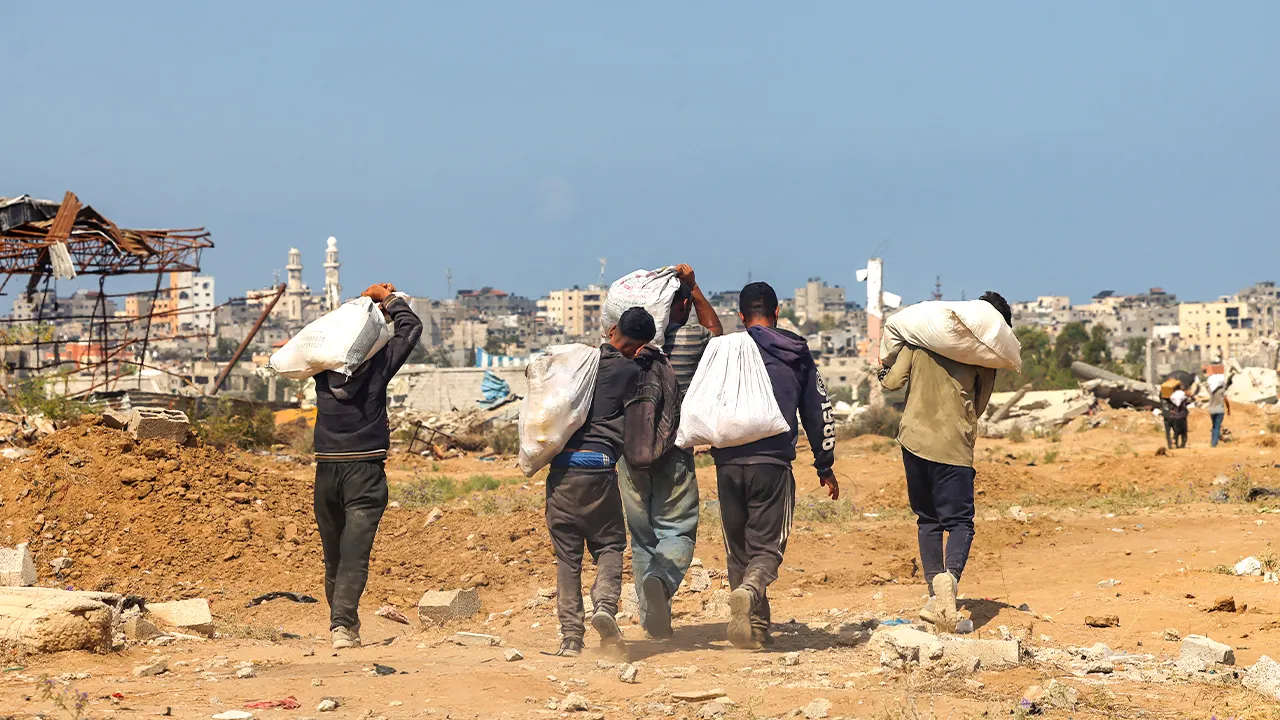
Israel Challenges UN-Backed Report on Gaza Famine Declared by IPC
The UN-backed Integrated Food Security Phase Classification (IPC) has reported that approximately 1.6 million residents of Gaza face high acute food insecurity. This followed an earlier declaration of famine for the Gaza Governorate in August. Despite these warnings, Israeli Defense Forces Major General Ghassan Alian, head of COGAT, described the IPC report as biased and argued that the conclusions were predetermined. He cited the volumes of food entering Gaza during the ceasefire period as evidence contradicting the report's dire conclusions.
COGAT has stated that IPC forecasts have repeatedly overpredicted the likelihood of famine and should not be legitimized. They highlighted discrepancies between the IPC report and on-the-ground data, including the amount of aid delivered. Meanwhile, the IPC Famine Review Committee acknowledged that the partial relaxation of the blockade has increased the availability of food and other supplies. However, they noted that the risk of famine remains, pointing to earlier projections that indicated two additional governorates could be at risk by September 30. Their worst-case scenario warned that if the conflict resumes, the entire Gaza Strip could face famine conditions through mid-April 2026.
Expert Dr. David Adesnik has disputed the IPC's famine claims, arguing that the mortality figures cited do not meet established famine thresholds. The IPC defines famine based on mortality rates of at least 2 deaths per 10,000 people per day overall, or 4 deaths per 10,000 children under five per day. Dr. Adesnik and other critics contend that the IPC is interpreting the data to fit a famine narrative rather than reflecting reality. IPC data shows malnutrition-related deaths peaking at 186 overall, with monthly highs of 27 deaths, figures which critics say do not establish famine. They also point out that food prices remained stable or even declined during the period IPC labeled as famine.