Israel to Revoke Licenses of 37 Aid Groups Operating in Gaza and West Bank Amid New Registration Rules
Israel announced it will revoke the licenses of 37 aid groups operating in Gaza and the occupied West Bank. These licenses, suspended on 1 January, require the organisations to cease operations within 60 days. Targeted international non-governmental organisations (INGOs) include ActionAid, the International Rescue Committee, the Norwegian Refugee Council, CARE, Medico International, and Medical Aid for Palestinians.
The primary reason given for the suspension is the failure of these groups to provide complete and verifiable staff details under newly introduced registration rules. Israel describes these measures as necessary to prevent infiltration by terrorist operatives. Despite this, Israel has stated that the new measures will not block humanitarian aid, which will continue through approved and vetted channels.
Fewer than 15% of organisations providing aid in Gaza were found in violation of the new framework, which lists several grounds for rejection. These grounds include denial of Israel as a Jewish and democratic state, denial of the Holocaust or the 7 October attacks, support for armed struggle, delegitimisation campaigns, boycotts, or support for prosecuting Israeli security forces abroad.
In response, a joint statement by foreign ministers of ten countries—the UK, France, Canada, Denmark, Finland, Iceland, Japan, Norway, Sweden, and Switzerland—condemned the move as restrictive and warned it would severely impact access to essential services. The Humanitarian Country Team also warned that the registration system could jeopardise INGO operations, calling the criteria vague, arbitrary, and politicised, and noted that NGOs cannot meet them without violating their obligations.
COGAT, the Coordinator of Government Activities in the Territories, claimed the suspended organisations did not bring aid into Gaza during the current ceasefire and estimated their past contribution at about 1% of the total aid volume.
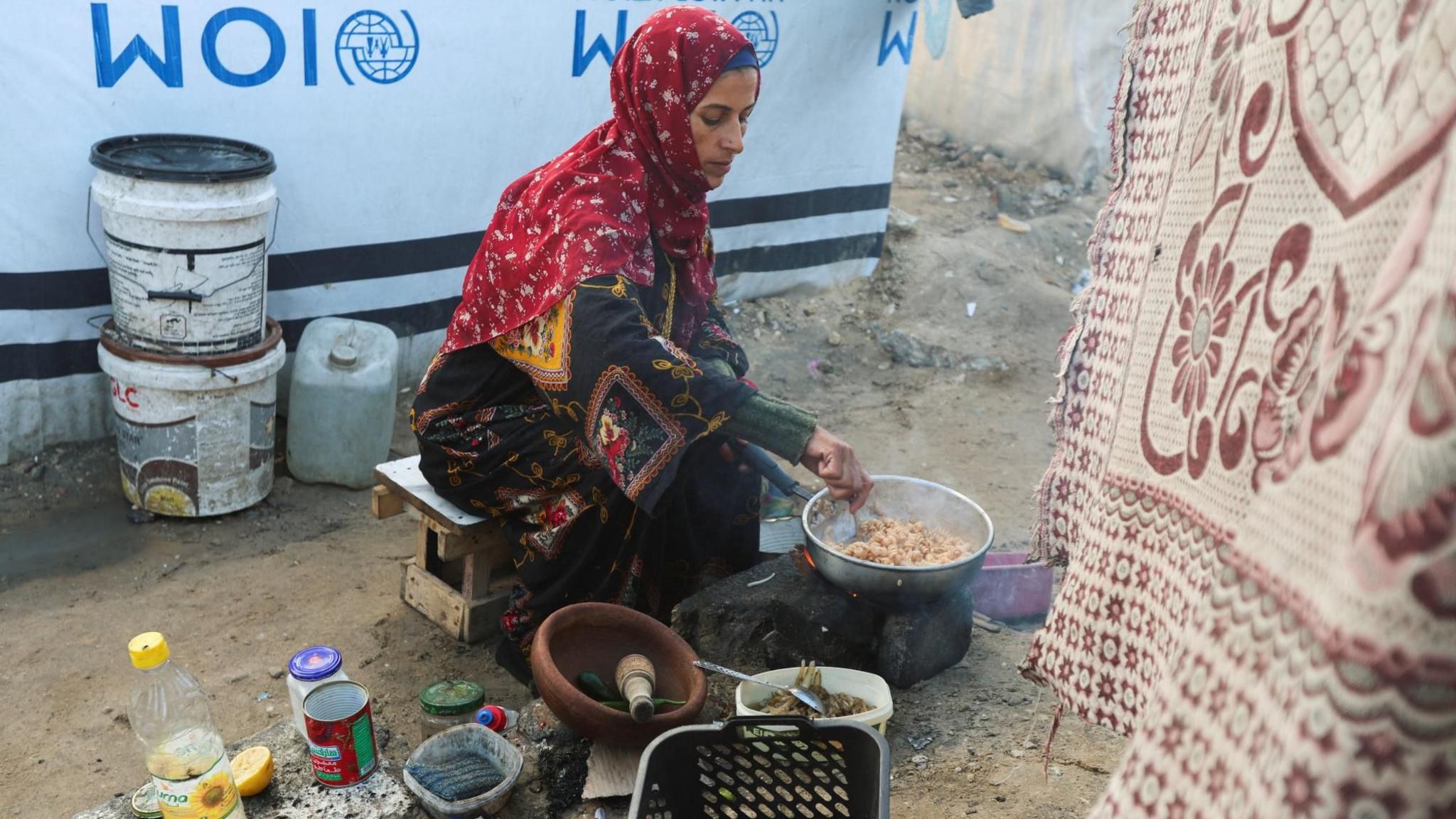
This development occurs amid a catastrophic humanitarian situation in Gaza, where UN-backed assessments show tens of thousands remain in severe need despite some improvements in nutrition and food supplies since the October ceasefire.