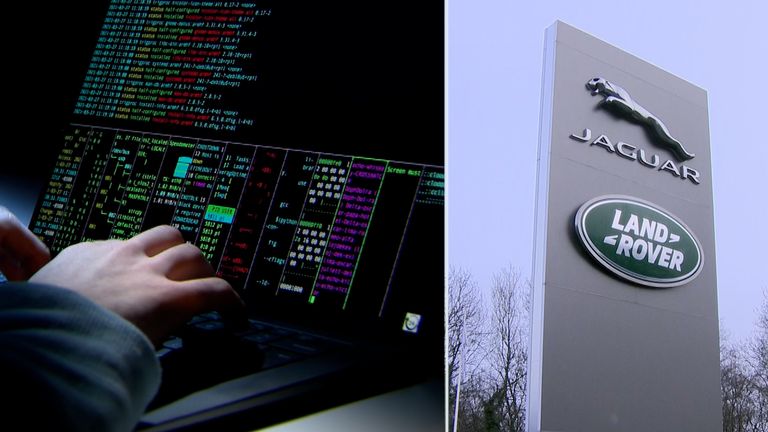
Jaguar Land Rover Cyber Attack Severely Impacts UK GDP and Complicates Budget 2025
A cyber attack on Jaguar Land Rover in late August led to a production halt lasting more than a month, resulting in a significant 28.6% drop in car production in September. This marked the largest monthly decline in modern records outside the pandemic period.
Without the collapse in car output, UK GDP would have grown by 0.1% in September; however, actual GDP declined by 0.1%. Even attributing only half of the production drop to the cyber attack, GDP still experienced a decline. This highlights the unusual and substantial impact a single company's disruption can have on the UK economy.
The incident exposes the vulnerability and concentration within the UK car industry, occurring at a time when the economy is already near zero growth. Reduced output not only diminishes tax revenues but also widens the budget deficit. Consequently, the Office for Budget Responsibility is expected to revise its underlying growth forecasts downward.
Chancellor Rachel Reeves faces significant budgetary pressures, including reversals on winter fuel payments and benefits reforms, challenges with long-term worklessness, the need to safeguard capital spending, and the economic implications of an ongoing global trade war. Achieving growth at the trend rate of approximately 2.5% has become increasingly difficult, and with economic growth now precariously balanced, the upcoming budget is set to be extraordinarily challenging.