Japan Employs Technology and Social Interventions to Address Dementia Care
Last year in Japan, over 18,000 older people with dementia went missing, with nearly 500 later found dead; police report that such cases have doubled since 2012. People aged 65 and over now comprise nearly 30% of Japan's population, the second-highest share worldwide after Monaco. Dementia-related health and social care costs are projected to rise significantly, reaching 14 trillion yen (about $90bn; £67bn) by 2030, up from 9 trillion yen in 2025.
In response, the Japanese government has signaled a stronger pivot toward technology to ease caregiving pressures. GPS-based tracking systems are being adopted nationwide to locate missing individuals, involving wearable GPS tags and real-time alerts to authorities, with some towns engaging convenience-store staff to assist.
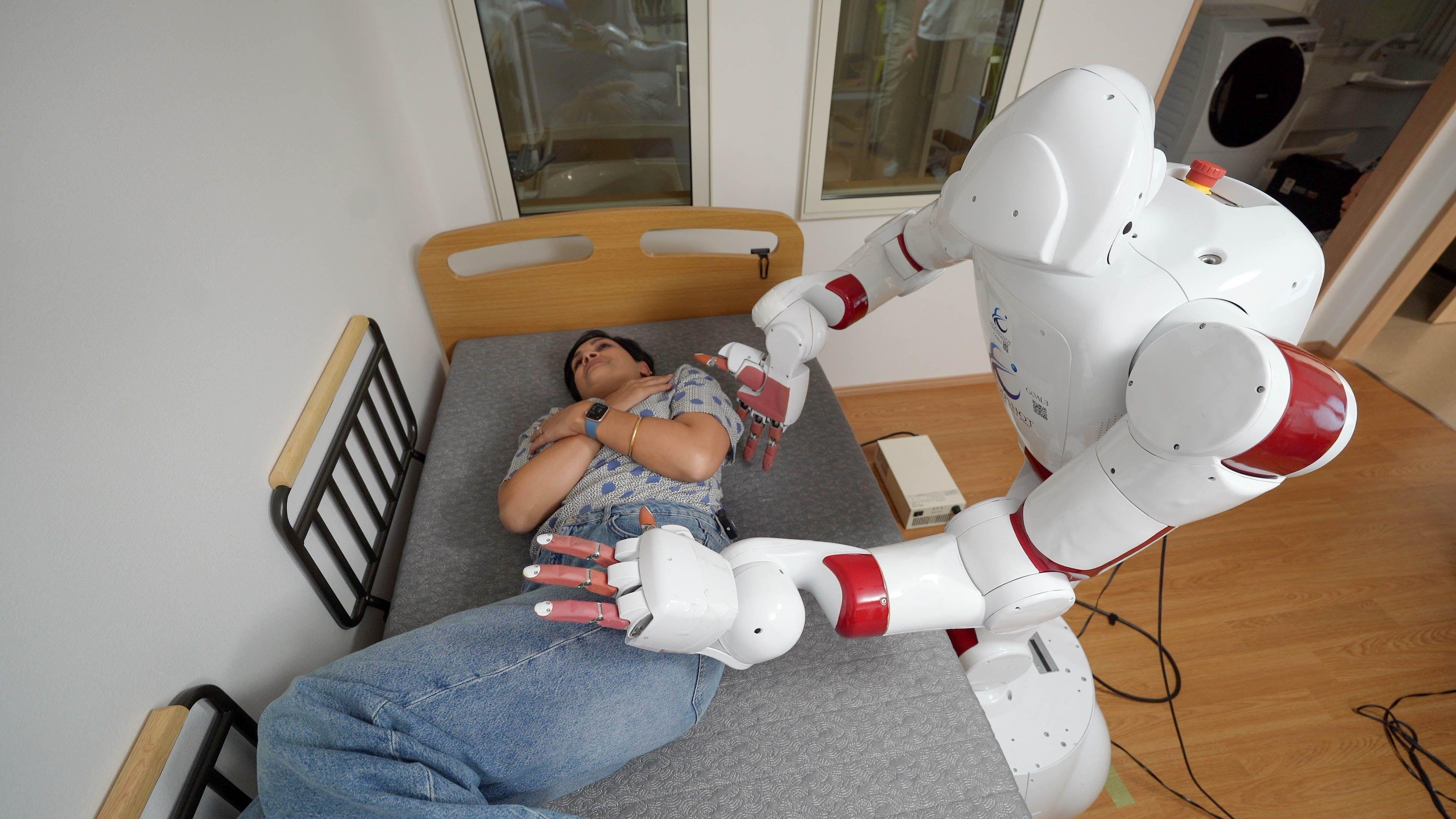
Innovations include aiGait, a project by Fujitsu and Acer Medical, which uses AI to analyze posture and walking patterns to detect early signs of dementia. Researchers at Waseda University are developing AIREC, a 150-kilogram humanoid robot designed to perform caregiving tasks such as putting on socks, folding laundry, changing nappies, and preventing bedsores. While robots in care homes already assist by playing music, guiding simple exercises, monitoring patients at night, and reducing the need for human rounds, full humanoid interaction is expected to take at least five years to reach safe usability levels.
Additionally, Sharp's 12-centimetre robot, Poketomo, provides medication reminders and conversational companionship to ease social isolation, demonstrating how technology can support emotional well-being.
Despite technological advances, social engagement and human connection remain essential. The Restaurant of Mistaken Orders in Sengawa, Tokyo exemplifies social interventions where dementia patients engage in work, and staff use cues to remember orders, emphasizing the importance of human interaction alongside technological solutions.