Japan tackles dementia care challenges with technology amid rising elderly population
In Japan, over 18,000 older people with dementia went missing last year, with nearly 500 found dead. Authorities report that missing-person cases have doubled since 2012. The country faces significant demographic challenges, as people aged 65 and over now represent about 30% of the population, the second-highest share worldwide after Monaco.
Health and social care costs related to dementia are projected to soar to 14 trillion yen by 2030, up from 9 trillion yen in 2025. To alleviate these pressures, the government is adopting advanced technology solutions. Initiatives include nationwide GPS tracking, wearable tags, and real-time alert systems aimed at locating individuals who go missing.
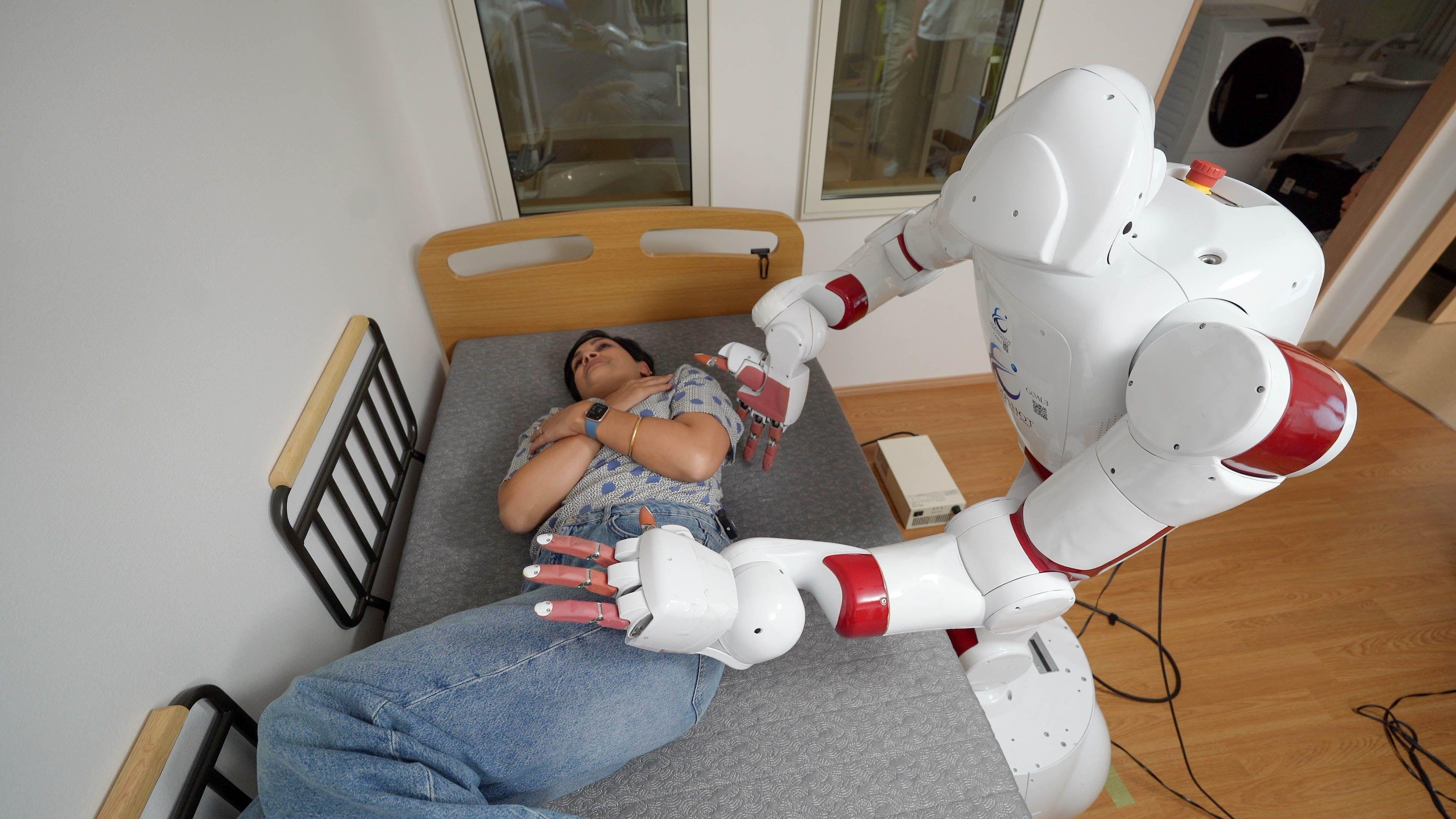
Innovations in care also include aiGait, a collaborative effort by Fujitsu and Acer Medical, which employs artificial intelligence to analyze posture and walking patterns during routine check-ups to detect early signs of dementia. Meanwhile, Waseda University researchers are developing AIREC, a humanoid robot weighing 150 kg capable of performing caregiving tasks such as dressing and cooking. This robot could eventually provide more intimate care, with a safety-ready timeline estimated at around five years.
Robots already assist in care facilities by providing music, guided exercises, and night monitoring, serving as supplements rather than replacements for human caregivers. Another example is Poketomo, a 12 cm robot designed to remind patients to take their medications, offer weather updates, and engage in conversation to reduce social isolation.