Japan Tackles Dementia Challenge with Technology and Community Support
Last year, over 18,000 older people with dementia in Japan went missing after leaving their homes, with nearly 500 later found dead, highlighting a troubling increase in such cases that have doubled since 2012.
People aged 65 and over now make up about 30% of Japan's population, the second-highest proportion globally after Monaco, according to the World Bank.
The financial burden of dementia-related health and social care is projected to rise steeply to 14 trillion yen by 2030, up from 9 trillion yen in 2025.
In response, the Japanese government is emphasizing technological solutions to ease the care burden. This includes systems like GPS-based tracking and wearable GPS tags designed to alert authorities if individuals leave designated safe areas.
Technological innovations also include aiGait, a collaborative AI gait analysis tool developed by Fujitsu and Acer Medical, which analyses posture and walking patterns to detect early signs of dementia, enabling earlier intervention.
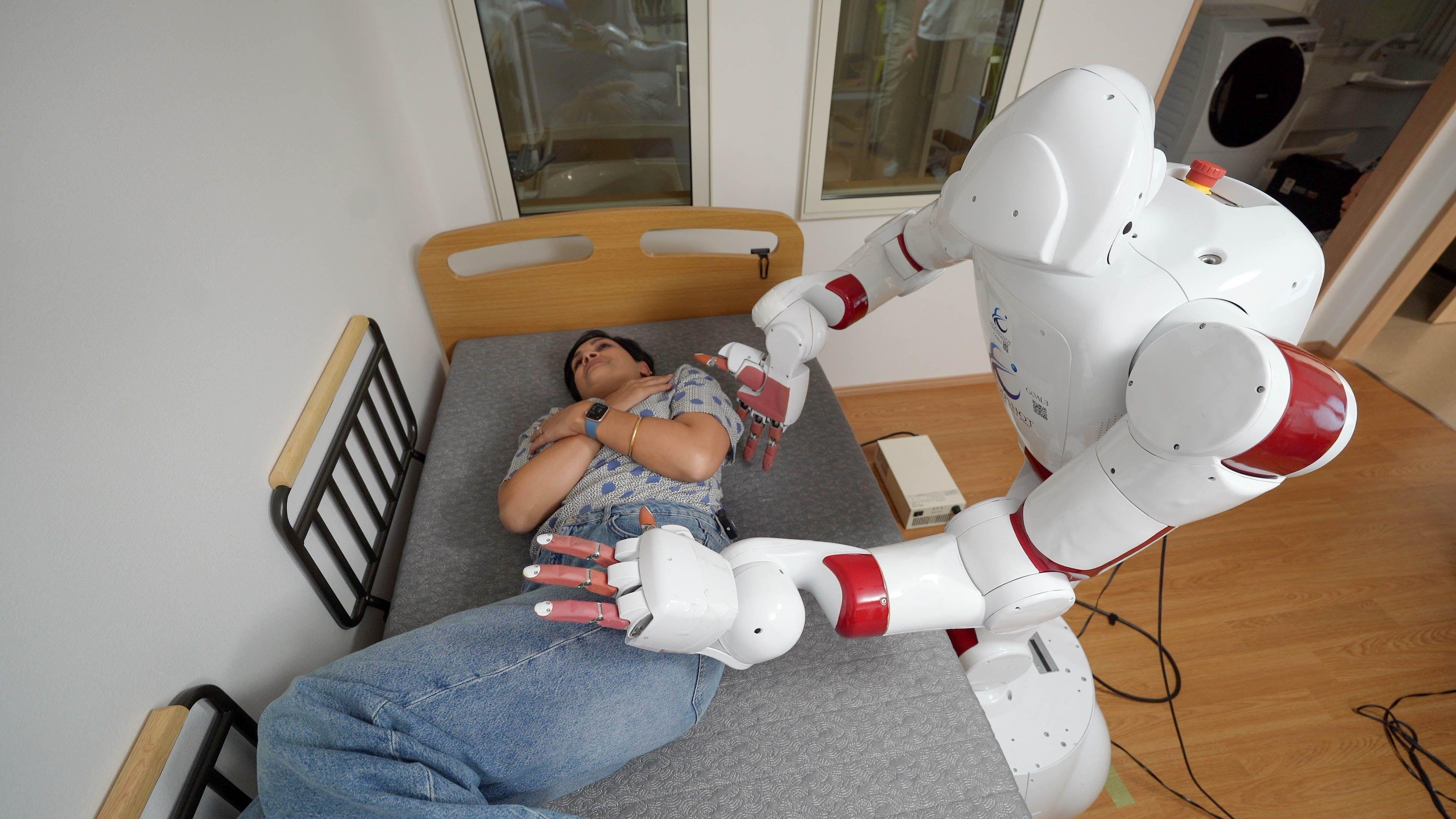
Waseda University is developing AIREC, a 150kg humanoid robot intended to serve as a future caregiver. Potential tasks for AIREC include dressing, cooking, laundry, and possibly changing nappies and preventing bedsores, with a five-year timeline projected to achieve higher-precision human interaction.
Robots are already deployed in care homes where they play music, guide exercises, monitor patients at night, and reduce the need for human rounds.
Another device, Poketomo, a pocket-sized robot, offers medication reminders, weather updates, and conversational interaction to alleviate social isolation, contributing emotional support alongside physical care.
Experts caution that robots should supplement rather than replace human caregivers, emphasizing the need for full-body sensing and adaptive understanding to ensure safe interactions.
Additionally, social interventions remain vital. A dementia-focused cafe in Sengawa, Tokyo, exemplifies community support, demonstrating that meaningful engagement and human connection remain essential alongside technological advances.