Japan Tackles Rising Dementia Challenges with Technology and Community Initiatives
Japan faced over 18,000 dementia-related missing-person cases last year, with nearly 500 individuals found dead afterward. The number of such cases has doubled since 2012. This rise coincides with the aging population, as people aged 65 and over now make up almost 30% of Japan's population, the second-highest share globally after Monaco.
Projected dementia-related health and social care costs are expected to reach 14 trillion yen (approximately $90 billion) by 2030, up from 9 trillion yen in 2025, driving a policy response that emphasizes technological solutions.
Nationwide deployment of GPS-based tracking and wearable tags aims to locate missing individuals and notify authorities if they leave designated areas. In addition, Fujitsu and Acer Medical's collaboration, aiGait, uses artificial intelligence to analyze posture and walking patterns to detect early signs of dementia.
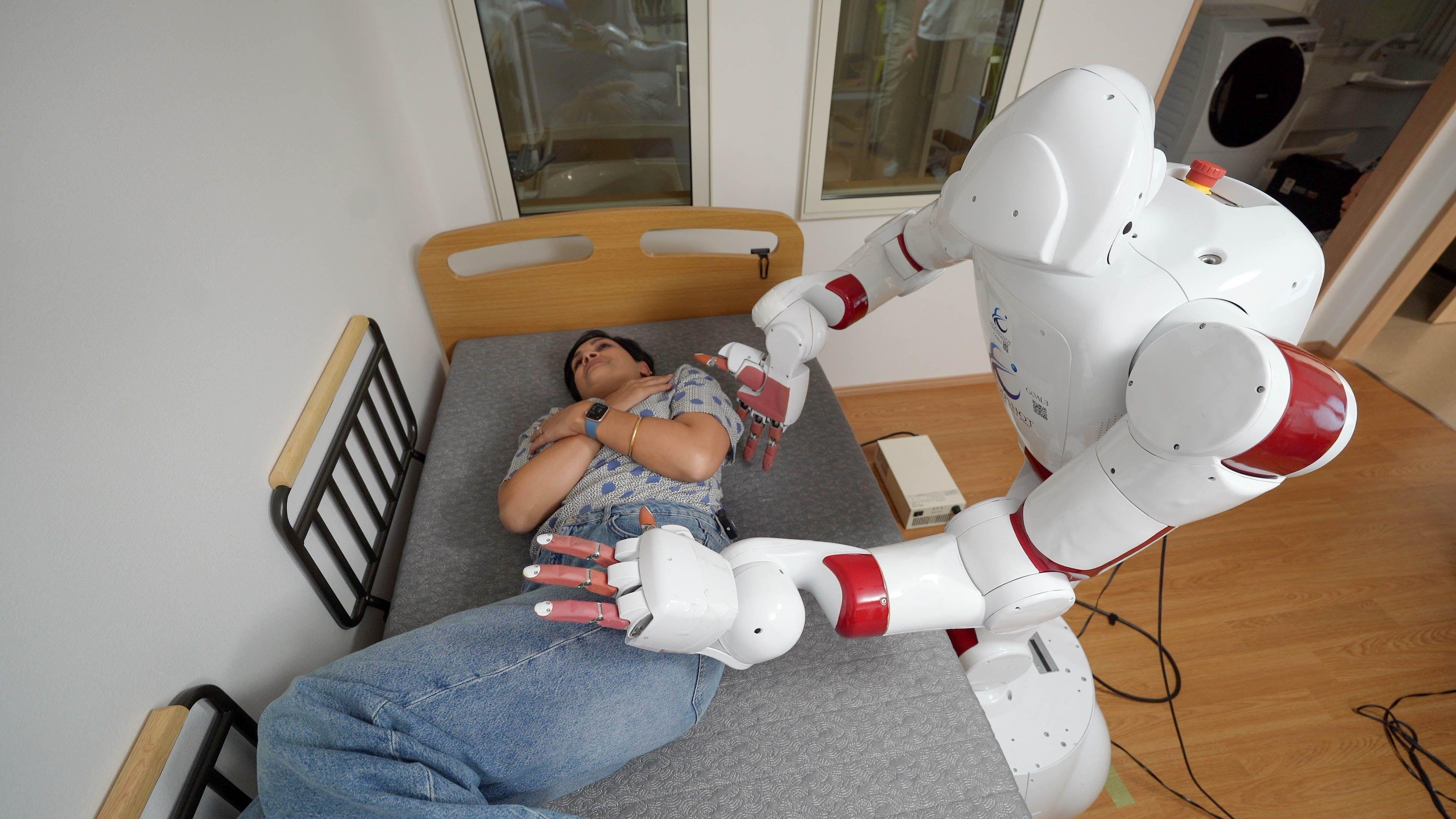
Waseda University is developing AIREC, a 150-kilogram humanoid robot intended as a future caregiver. This robot is designed to perform basic tasks and could potentially help in areas such as nappies and bedsore prevention, with advanced interactive capabilities anticipated within five years.
Currently, care robots are used for playing music, guiding exercises, and monitoring patients at night through under-mattress sensors to reduce staff rounds, although humanoid robots still require further development. The Poketomo, a 12-centimeter companion robot, assists with medication reminders, weather updates, and conversation to alleviate social isolation.
Beyond technology, community engagement remains vital. Social spaces like the Restaurant of Mistaken Orders cafe in Sengawa, Tokyo, provide important social environments for people with dementia, emphasizing the role of community support alongside technological interventions.