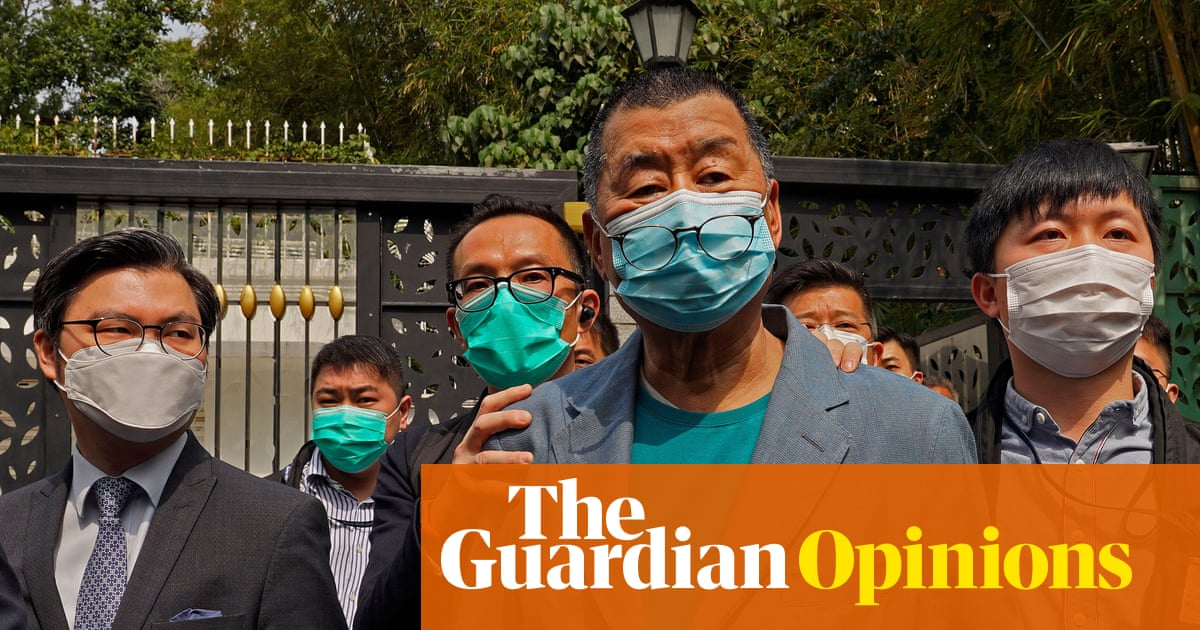
Jimmy Lai's Trial and the Implications for Keir Starmer's China Visit
Jimmy Lai, a Hong Kong newspaper publisher and British citizen, was convicted by Beijing-appointed Hong Kong high court judges on charges framed as destabilising the Chinese Communist Party (CCP). These charges are widely characterised as politically motivated. UK Foreign Secretary Yvette Cooper condemned Lai's trial, describing it as politically driven.
Lai's case has become a significant context for Keir Starmer's planned visit to Beijing and Shanghai in January. There are suggestions that the trip could be ill-fated or cancelled if China withholds permission for the visit. Starmer has described China as a defining force in technology, trade, and global governance, stating that it is his duty to visit despite acknowledging national security threats, which he tends to downplay.
The article notes the inseparability of China’s security state, economy, and commerce, citing the precedent set by Huawei’s 5G ban and warning that any deals with China will carry national security implications. Beijing is reportedly pressing to build a large embassy near Tower Bridge in London, and if permission for this is not granted by mid-January, Starmer’s trip to China might not proceed.
The discussion links Starmer’s stance to past policies of the Trump administration and warns against aligning too closely with either Trump or Xi Jinping. It notes that Trump reneged on a US-UK tech deal worth about £31 billion. An alternative strategy proposed is for the Labour Party to rebuild ties with Europe instead of appeasing China or opportunistically aligning with Trump, framing Europe as Britain’s natural partner for dealing with shared security threats.
Furthermore, the article urges that Starmer’s trip to China should be tied to the prior release of Jimmy Lai. It draws attention to broader actions by China including abuses in Hong Kong, Xinjiang, and Tibet; persecution of Christians; aggressive trade policies; military threats to Japan, Taiwan, and the Philippines; and partnerships with Russia and North Korea.