K-Shaped Christmas Highlights Growing Wealth Gap in US Economy
The 2025 holiday season in the United States has been characterized by stark economic disparities, illustrating a K-shaped recovery where a small, wealthy minority drives luxury spending while many Americans face rising costs and wage stagnation.
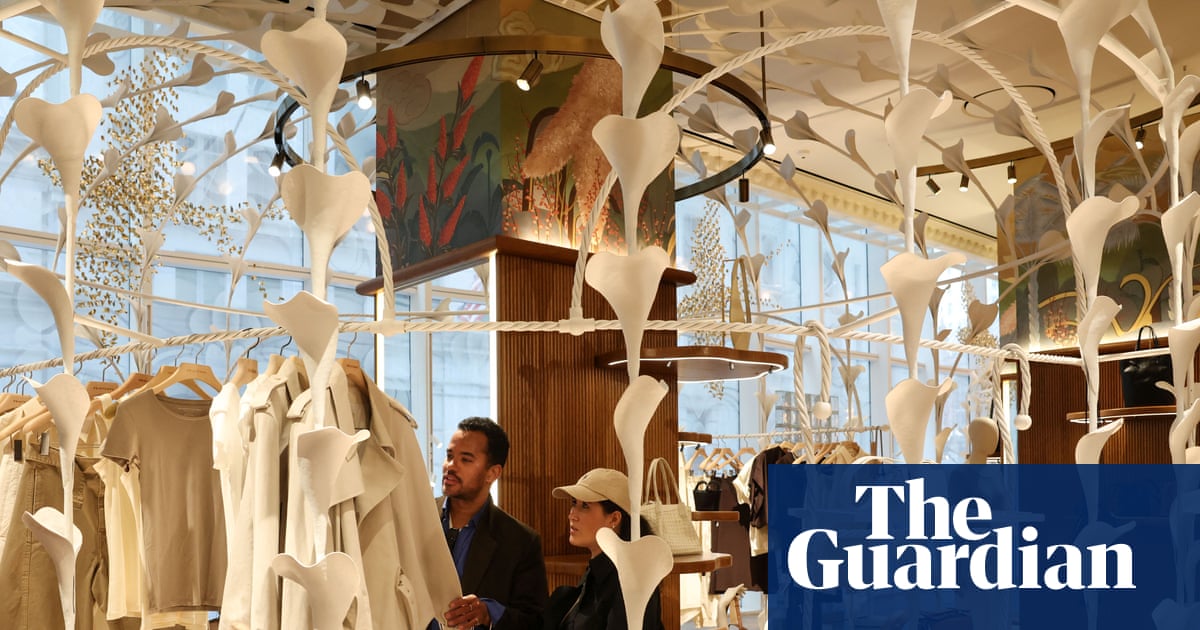
In lower Manhattan, the new Printemps department store opened in March with luxury amenities such as an ice rink and bar to evoke a Parisian luxury experience. Its high-end merchandise emphasizes the wealth gap with items like $600 fur coats, $1,450 leather tabi boots, and an $890 chapka hat. Meanwhile, directly across from Printemps near the Trinity Church, hundreds are lined up for free food and necessities, underscoring the persistence of poverty amid luxury.
Stock market gains have disproportionately benefited the wealthy. The S&P 500 has risen approximately 86% over five years, yet ownership of stocks remains concentrated with the top 1% holding nearly 50% of shares, the top 10% owning 87.2%, and the bottom 50% possessing only 1.1%.
Inflation has increased from 2.3% in April to 3% in September, accompanied by a rise in unemployment from 4.0% in January to 4.4% in September. Research by the Yale Budget Lab indicates that tariffs could raise prices by 1.2% in the short term, costing the average household around $1,700.
Economic approval ratings for President Trump have declined significantly, dropping from +5% on inflation at inauguration to -35% by November 2. Axios reports that Trump plans a US tour to address pocketbook concerns.
Under the Trump administration, anti-poverty programs have seen policy shifts that include tighter enrollment criteria for SNAP and cuts to housing assistance. The Robin Hood Foundation reports that poverty stands at 25% in New York City and 13% nationally.
Bank of America data reveal a widening gap in consumer spending, with lower-income spending rising by only 0.7% year over year, while higher-income spending increased by 2.7%. Corporate leaders acknowledge this two-tier consumer trend: Delta Airlines sees growth primarily from premium customers, Coca-Cola experiences revenue driven by premium products, and McDonald’s notes increased pressure on middle- and low-income consumers.