Key Political Conflicts and Government Actions in 2025
In 2025, the United States experienced its longest federal government shutdown lasting 43 days, which was resolved through a bipartisan effort involving eight Senate Democrats and six House Democrats breaking ranks with their leadership. Despite the reopening, the issue of expiring enhanced Obamacare subsidies remained unresolved.
On Inauguration Day, the Department of Government Efficiency (DOGE) was established by executive order to pursue spending cuts. Elon Musk was appointed as a special government employee to lead the agency's initiatives, which reportedly saved about $214 billion and resulted in tens of thousands of layoffs, as well as reductions in foreign aid programs including USAID and PEPFAR.
The year also saw widespread civil unrest, notably the No Kings Day protest movement led by the 50501 Movement. This nationwide demonstration against perceived executive overreach drew more than a thousand participants at the Capitol Reflecting Pool initially and swelled to millions by October 18. Some protests involved attacks on Tesla cars and showrooms. Attorney General Pam Bondi labeled certain violent acts as domestic terrorism.
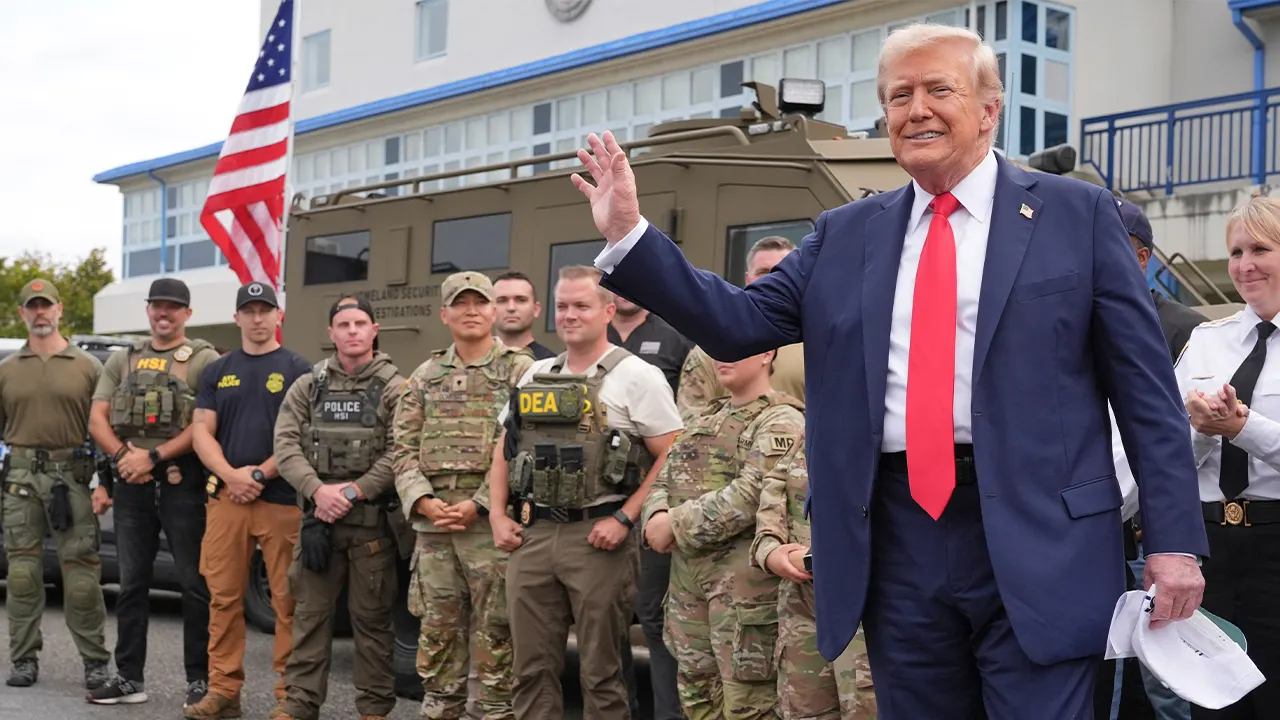
ICE deportations sparked nationwide backlash with protests at processing centers and immigration courts. In June, the National Guard was deployed to Los Angeles after the president federally overrode a governor’s authority to mobilize a state National Guard for domestic enforcement—the first such action in over 60 years.
As part of a broader crime crackdown, troops were sent to the capitals and major cities including Washington, D.C., Chicago, and Memphis. Attempts to deploy National Guard troops in Portland were blocked by courts. On November 26, near the White House, two Guardsmen—Staff Sgt. Andrew Wolfe, 24, and Spc. Sar—were shot during the heightened security operations.