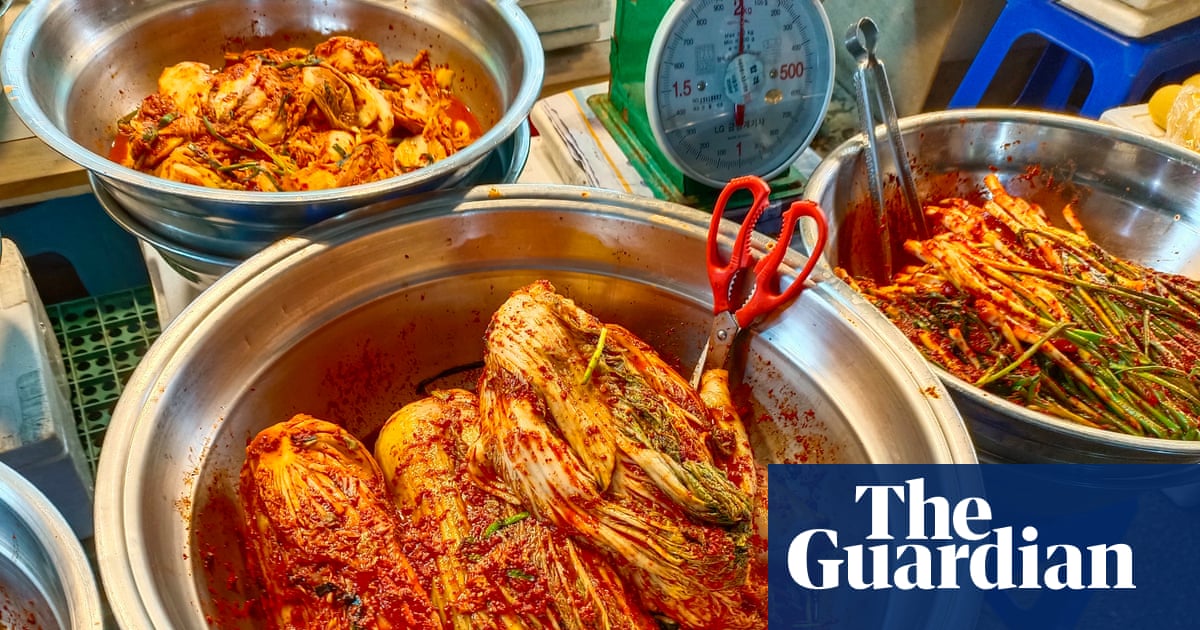
Kimchi in South Korea Faces Challenges as Cheaper Chinese Imports Gain Ground
Between January and October 2025, South Korea imported kimchi valued at $159 million, almost entirely from China, while exporting $137 million.
Chinese kimchi is sold to restaurants at about 1,700 won per kilogram (approximately $1.15), significantly cheaper than Korean-made kimchi, which averages about 3,600 won per kilogram (approximately $2.45).
This price difference has caused a shift in the domestic market share towards the more affordable Chinese imports, with local kimchi producers reporting that their products have been losing market presence.
About 75% of kimchi manufacturers in South Korea are micro-businesses having four or fewer employees, and the labor-intensive nature of production hinders their competitiveness against the industrial-scale output of Chinese producers.
Overall kimchi consumption in South Korea has declined, even as demand for ready-made kimchi and eating out has increased; single-person households now constitute over 36% of all households.
Climate change has disrupted cabbage farming, raising input costs and sometimes causing wholesale cabbage prices to double year-on-year. To mitigate these effects, plans include developing climate-resistant cabbage varieties and improved storage methods.
In response, the Kimchi Association has launched a voucher scheme offering 1,280 won per kilogram to selected restaurants to encourage switching back to Korean-made kimchi and is advocating for advances in tariff assessments.
Government initiatives include labeling to clearly identify Korean kimchi, providing weather forecasting and pest control support for cabbage growers, and funding research aimed at extending kimchi’s shelf life for export markets. The ministry's goal is to strengthen both domestic and export foundations for sustainable growth.
Kim Chieun, from an Incheon kimchi factory, described the market change as a loss of space for Korean products and noted that investment in facilities has decreased as a consequence.