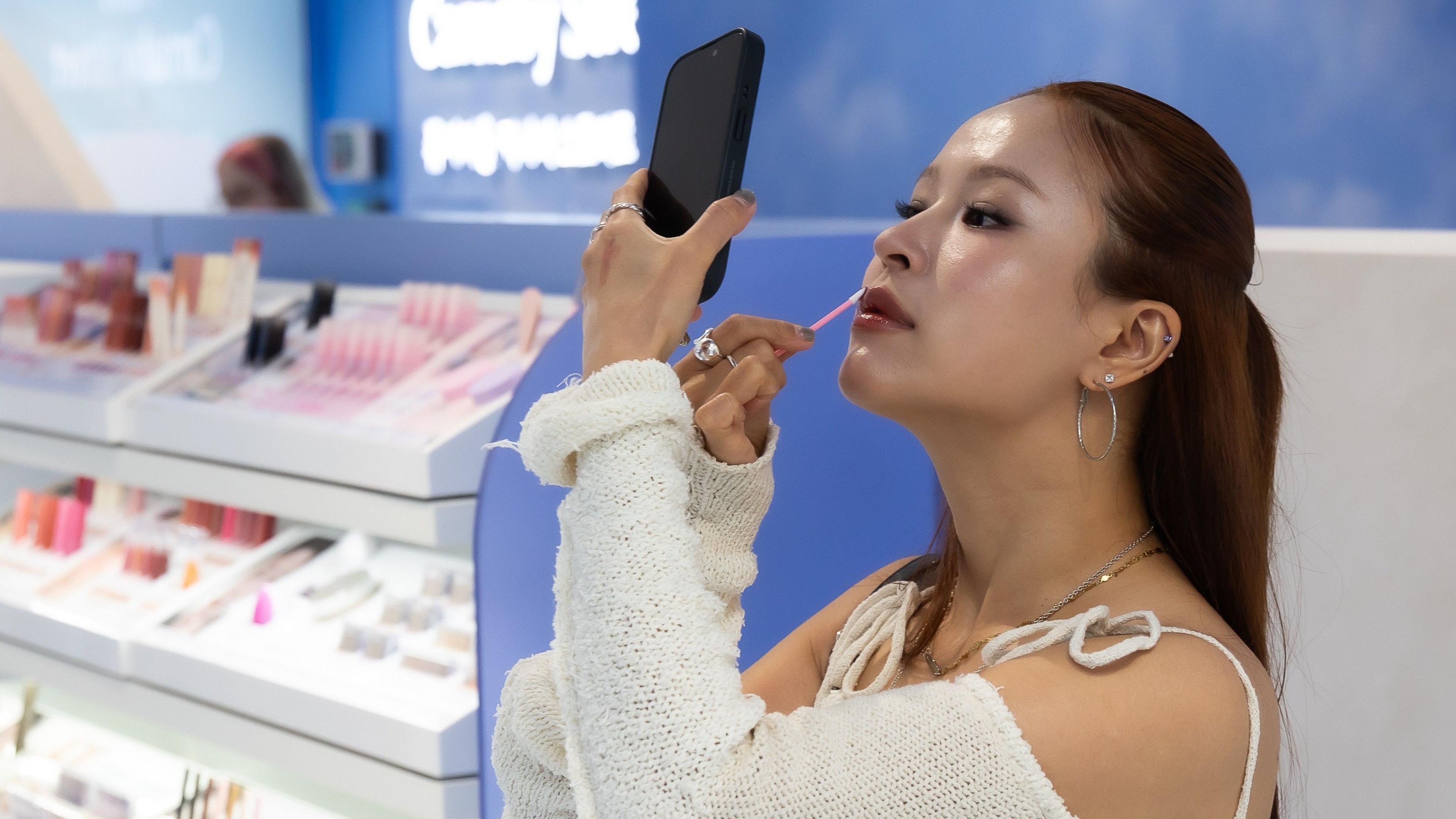
Korean Beauty Market Boasts Strong Growth Amid Global Expansion and Challenges
The domestic Korean beauty market is valued at about $13 billion in 2024, with some products experiencing double-digit growth. The success of viral products like CosRX's snail mucin serum has attracted major companies, leading to CosRX's acquisition by Amorepacific, Korea’s largest cosmetics company. In the first half of 2025, Korea exported beauty products worth $5.5 billion, a 15% increase year-on-year, positioning the country to surpass $10 billion in annual exports and become the world's second-largest beauty exporter after the US.
In 2024, Amorepacific reported sales of approximately $6.2 billion, while LG Household & Health Care achieved about $4.1 billion. The industry operates within an ODM-based ecosystem, with Cosmax serving around 4,500 brands and accounting for just over a quarter of Korea’s cosmetics exports. This system allows products to move from concept to market in around six months. The beauty sector remains dominated by chaebols, with Amorepacific controlling roughly half of the domestic market and supporting both premium and indie brands to foster innovation.
The growing global interest in K-beauty is also marked by L’Oréal's late-2024 acquisition of a South Korean conglomerate that includes the Dr.G brand, indicating rising Western involvement. The US continues to be a key market, although trade tensions persist. Trump-era 15% tariffs have created uncertainty; for example, Olive Young has imposed a 15% customs duty on US orders, and future price adjustments will be considered with retailers case-by-case.
In December 2024, the Korean government designated K-beauty as a strategic national asset to support manufacturing and export growth. However, the industry faces intense competition, resulting in thin profit margins and numerous brand failures, with over 8,800 cosmetics brands recently going out of business. There are also ongoing concerns regarding the social impact of online beauty content on consumers.