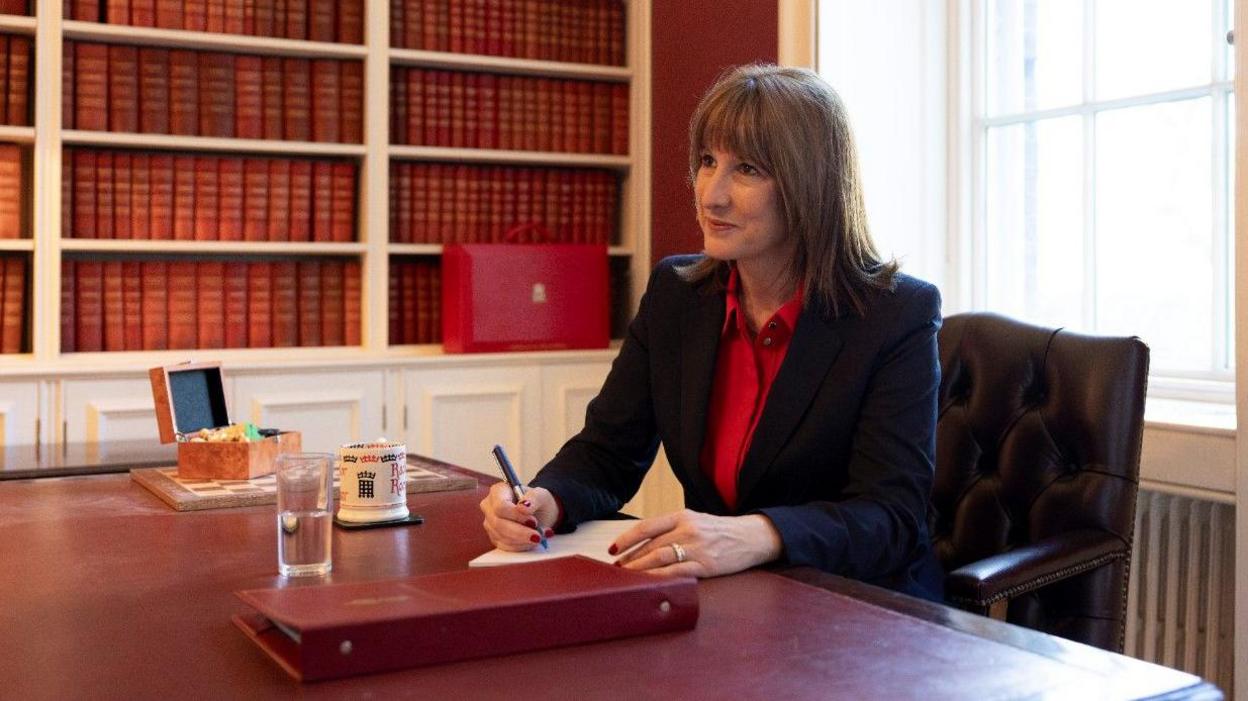
Labour Chancellor Rachel Reeves Outlines Budget Priorities Amidst Political Challenges and Economic Constraints
Chancellor Rachel Reeves has framed the upcoming Budget around three key cuts: reducing the cost of living, shortening NHS waiting times, and lowering government debt as a share of national income. The Budget plans avoid raising income tax rates, with any necessary tax increases expected to come from other measures. Some rail fares may also be frozen as part of efforts to ease the cost of living. Reeves has publicly engaged more in the run-up to the Budget than previous chancellors, underlining the high attention and unusual pressure surrounding this landmark moment for Labour.
Reeves' priorities center on controlling inflation, sustaining public services, protecting long-term infrastructure funding, and constraining spending to address debt. The manifesto explicitly avoids raising income tax, National Insurance, or VAT. Planning to begin in July focuses on these three priorities rather than detailed Treasury spreadsheets. However, political and business scepticism remains, with backbench Labour fears that political constraints will blunt the Budget's impact, and concerns that trade-offs between higher National Insurance and regulatory burdens could complicate growth.
Ahead of the Budget, Reeves held a novel, voluntary pre-Budget news conference on 4 November to signal upcoming tax rises, cost-of-living measures, and an effort to maintain headroom within fiscal rules while preserving long-term investment. The Office for Budget Responsibility (OBR) was expected to downwardly revise productivity growth, influencing her fiscal decisions. Although stronger-than-expected tax receipts later offset productivity declines, this data was not initially disclosed at the briefing, leading to public uncertainty about the Budget's numbers and trade-offs. The Treasury maintains that Reeves did not mislead, yet public impressions conflicted with later disclosures.
Labour's Budget 2025 package includes scrapping the cap on extra benefits for larger families, framed by the party as redistributive and beneficial for the economy. A long-awaited child-poverty strategy is also due, portraying the Budget as supporting families and growth. Labour MPs’ morale shows signs of improvement, and the Budget offers the party a clearer identity, though left-wing factions remain wary of a partial U-turn on workers’ rights, specifically the decision to drop day-one protection from unfair dismissal. This move has angered some unions and left-wing members, potentially causing tensions ahead of local elections.
Market reaction was stable, with business leaders seeing potential for stability and growth. The OBR indicated there was no financing hole prior to the Budget, though Conservatives accuse Reeves of misrepresenting numbers. The fiscal outlook remains challenging, with high debt, sluggish growth through 2030, rising welfare spending, anticipated minimum wage increases, and higher business rates. Public polling shows the Budget plans lack widespread popularity; more than a million people will face higher income tax or begin paying it, and inflation is expected to rise alongside dismal real spending power growth.
Concerns persist that the Budget could erode public trust, amid allegations of misrepresented OBR data and tax rise promises, feeding opposition claims of bad faith and internal leaks. The best-case scenario involves improved polling and a stronger Labour position in the May elections, while the worst case could see a stagnant economy and unresolved party tensions undermining Labour’s credibility.