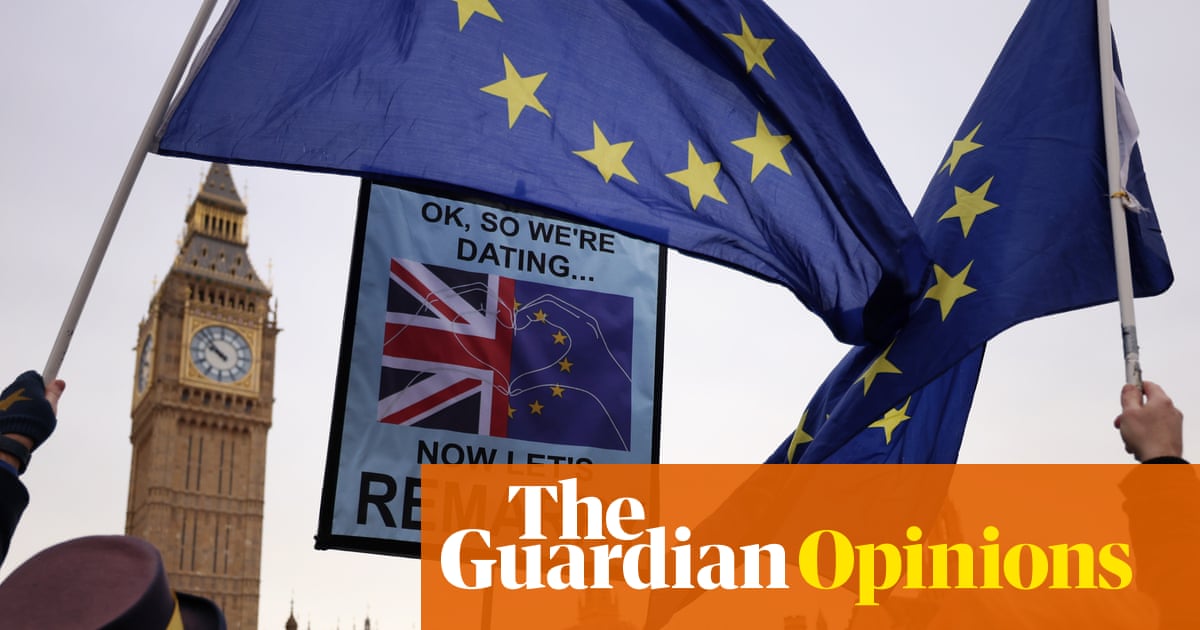
Labour Pushes for UK to Rejoin Erasmus+ and Address Brexit Impacts
On 17 December 2025, the UK announced plans to rejoin the Erasmus+ programme, reflecting a Labour-led initiative aimed at strengthening ties with Europe. The expansion of Erasmus+ will include further education students, apprentices, and youth and school groups, seeking to widen access and tackle a decline in language skills.
Public opinion appears supportive, with a YouGov poll reporting approximately 65% of respondents favoring rejoining Erasmus, while 12% oppose it.
Labour leadership figures have acknowledged the economic damage caused by Brexit. Keir Starmer has spoken to this impact, while Rachel Reeves highlighted cuts to capital spending and the negative effects of Brexit. Wes Streeting and Diane Abbott have indicated their willingness to work towards undoing some of the harm caused.
The costs of Brexit are noted as significant, with GDP estimated to be 6 to 8 percent lower than it could have been, accompanied by Treasury tax revenue losses up to £90 billion annually. Approximately 16,400 companies have ceased EU trade relations.
Illustrating ongoing real-world challenges, delays at Calais for lorries and complications in lamb exports highlight border and standards issues. Negotiations surrounding the Sanitary and Phytosanitary (SPS) agreement are underway, with hopes to resolve some problems within an 18-month timeframe.
Regarding trade beyond Europe, the UK allows 13,000 tonnes per year of US beef imports if standards are met, though farming groups have expressed concerns. Former US President Trump has advocated for a broader food trade deal. Despite these developments, the article argues that the UK continues to align primarily with Europe in matters of trade, defense, and identity.