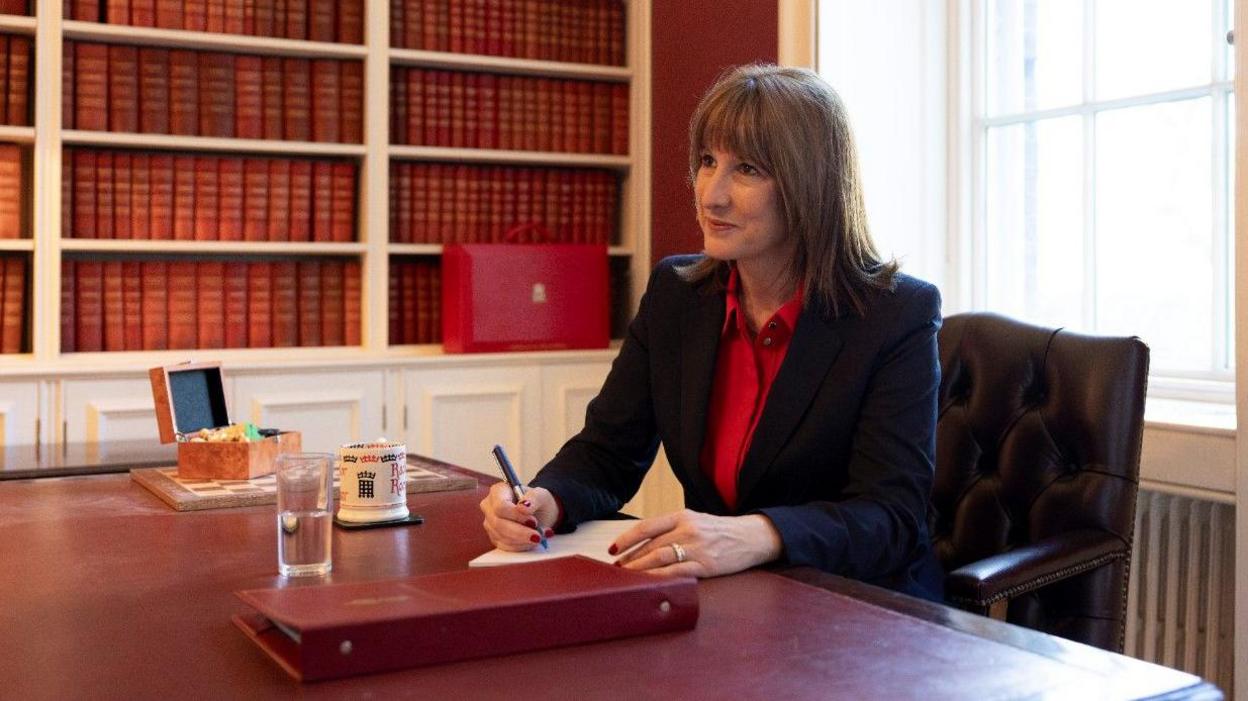
Labour's 2025 Budget: Balancing Cost of Living, NHS, and Economic Growth Amidst Political Tensions
Chancellor Rachel Reeves' 2025 Budget centers on addressing three major challenges: reducing the cost of living, cutting NHS waiting lists, and managing government debt as a share of national income. The funding for these measures involves some tax rises, though no broad income tax increase is planned; smaller rises may target specific groups, and some rail fares could be frozen to ease living costs.
The Budget is positioned as a landmark moment for Labour under Reeves and party leader Keir Starmer, aimed at buying time amid low public support. However, relations between the government and its backbench MPs are tense, with risks of mutiny if the Budget breaches Labour’s manifesto pledge not to raise income tax. Some MPs have privately discussed leadership challenges, and the Parliamentary Labour Party has been described internally as sprawling and naive. The pre-Budget period has seen unusually heavy briefing and leaks, with Reeves more active in public dialogue than usual.
From a policy perspective, the Budget includes a proposed removal of the cap on extra benefits for larger families, seen as a move to redistribute cash to the least well-off and signal bold Labour values. Measures such as easing energy bills, freezing rail fares, and a forthcoming child-poverty strategy could unite backbenchers and reinforce Labour’s identity. This approach integrates a traditional pro-growth stance with left-leaning aims, potentially stabilizing markets and encouraging investment despite the higher taxes and increased welfare spending.
Optimism exists that the Budget might improve Labour's standing in polls ahead of May’s local and regional elections; however, inflation and slow economic growth temper this outlook. The broader economic context features a stuttering economy with rising living costs.
Conversely, concerns remain about a partial U-turn on expanding workers' rights, specifically the removal of day-one protection from unfair dismissal. This move complicates unity within Labour by fueling tensions with unions and left-wing MPs. Economic risks include further slowdown due to higher minimum wages and tax rises, with growth expected to remain sluggish through 2030 and welfare costs increasing. Public trust might also erode if the Budget process is seen as misleading, with accusations about the Office for Budget Responsibility's figures and tax changes conflicting with manifesto promises.
Overall, Labour's 2025 Budget attempts to balance significant social and economic pressures while managing internal party dynamics and public perceptions in a challenging political environment.