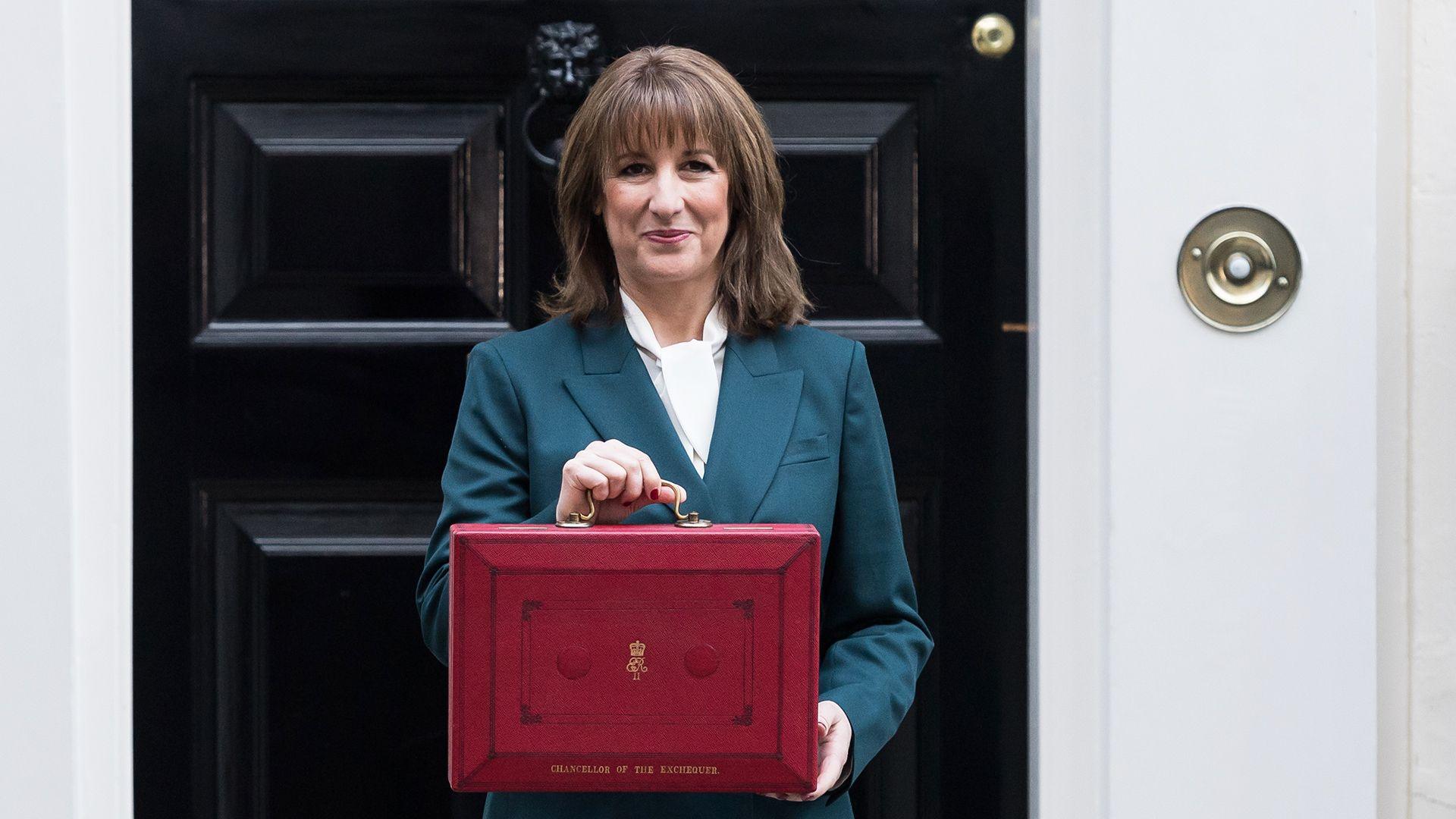
Labour's 2025 Budget: Balancing Difficult Choices Amid Economic and Political Challenges
On 4 November, Labour's finance minister Reeves held an extraordinary pre-Budget news conference, the first of its kind, to prepare the ground for the 2025 Budget involving difficult choices. She signaled significant tax rises and cost-of-living measures while emphasizing fiscal rule headroom and maintaining long-term investment spending. The Office for Budget Responsibility (OBR) was expected to revise down productivity growth, influencing numbers and policy trade-offs. However, Reeves knew that tax receipts were much better than expected, offsetting productivity declines, but this was not disclosed at the briefing, leading later to market and public questions after Financial Times reporting.
Reeves has three core Budget priorities: cutting the cost of living, reducing NHS waiting lists, and lowering the national debt as a share of income. Planning started in July with Reeves directing aides to communicate budget details concisely. Messaging aims to control inflation, sustain public spending, protect infrastructure investment, and curb debt. Labour's manifesto constraints preclude raising income tax, National Insurance, or VAT. Economic forecasts indicate a weaker economy and narrowed fiscal headroom, with about £9bn cushion from last year now insufficient amid softened forecasts and market reluctance to borrow more.
Heavy backbench pressure within Labour has surfaced, including rescinded policies such as winter fuel payments for 2024 and welfare changes. There are widespread expectations of increased support for energy costs and welfare, particularly for larger families. Ongoing negotiations on oil and gas taxation reflect tension between the need for balanced public finances and encouraging energy investment. Rumors suggest a potential pay-per-mile charge for electric vehicles, which may make EV ownership less affordable, alongside debates over regulatory burdens and workers’ rights.
The Budget signals include freezing some rail fares and avoiding income tax rate increases, implying other targeted tax rises. It is framed as a landmark moment for Labour amid low popularity, a stuttering economy, and rising cost pressures. Internal party tensions are significant, with discussions of mutiny and leadership challenges. Reeves has played a notably public role, emphasizing "fair and necessary" choices. The Budget aims to buy time and patience from MPs and the public while avoiding detrimental political outcomes. Broader internal debate questions the value of the annual Budget itself.
Budget 2025 also includes scrapping the cap on benefits for larger families and launching a child-poverty strategy, framed as redistributing taxpayers' money to the least well-off. The Prime Minister and Chancellor argue the Budget will ease energy bills, freeze rail fares, and support growth, presenting a bold, values-driven stance for Labour. Best-case scenarios involve reduced backbench tensions, clearer party identity, and potential polling improvements if political and economic climates hold steady.
Markets and businesses have so far seen relative stability with no major meltdowns. Some executives note the Budget could settle market sentiment, highlighting increased tax receipts estimated around £26 billion by some figures. However, public enthusiasm is limited, with over a million people potentially paying higher or new income tax, inflation expected to rise, and forecasts for real spending growth deemed poor.
Worst-case outcomes include weak economic growth with higher minimum wages and taxes potentially deterring hiring and investment, undermining the government's growth narrative. A partial U-turn on expanding workers’ rights—removing day-one protections against unfair dismissal—has caused anger within the Labour left and strained union relations, risking internal divisions ahead of upcoming elections.
Public trust remains at risk due to discrepancies between initial Reeves briefings and later OBR signals indicating no budget hole, fueling allegations of misrepresentation. This tension underlines the delicate line between briefing and misinformation with possible credibility consequences.
Strategically, Labour leader Starmer aims to emphasize growth and deregulation publicly while reassuring Parliament that welfare objectives coexist with business-friendly policies. This signals a shift toward a more traditional Labour stance without abandoning left-leaning priorities, seeking to balance competing demands during a politically and economically challenging period.