Labour's 2025 Budget Plans Amid Economic Challenges and Party Tensions
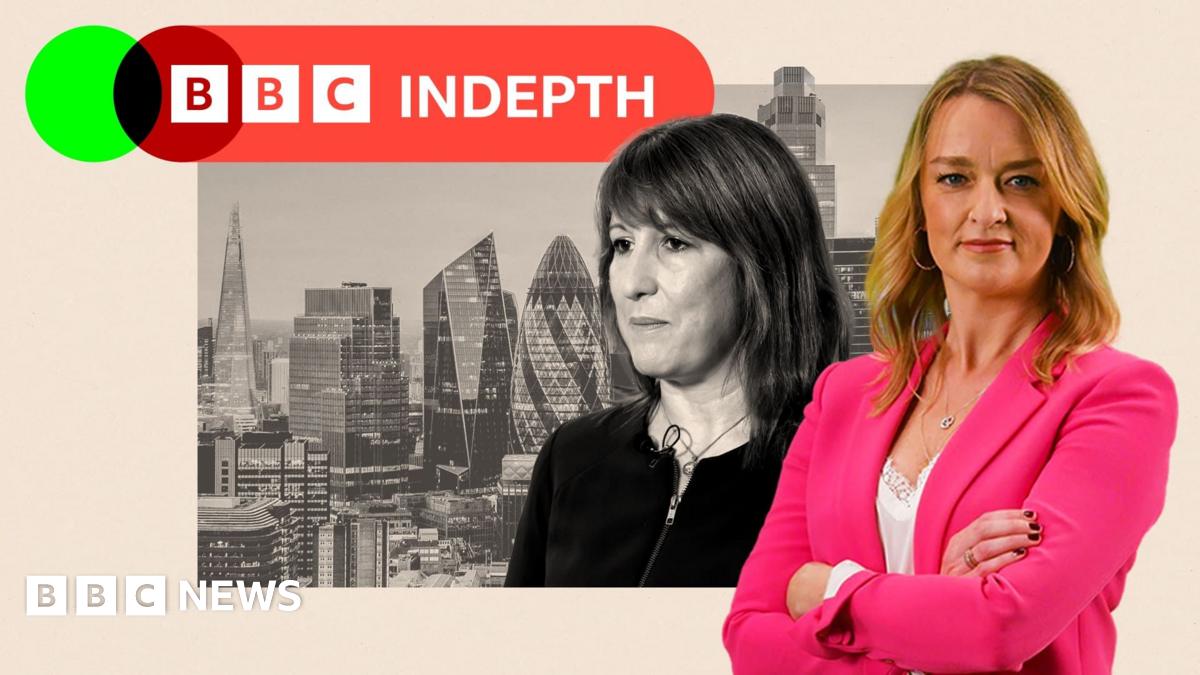
The 2025 Budget, prepared by Chancellor Rachel Reeves, is set to focus on three main priorities: reducing the cost of living, cutting NHS waiting lists, and lowering the national debt. Planning began in July, with Reeves instructing aides to define aims on A5 paper rather than relying on Treasury spreadsheets. The budget is framed as a landmark moment for Labour amid a stuttering economy and deep governmental unpopularity.
Economic constraints include weaker growth forecasts, with limited fiscal headroom estimated at around £9bn from last year's budget. The Office for Budget Responsibility (OBR) data and market sentiment limit the scope of options available. Labour faces significant constraints, including manifesto commitments to avoid raising income tax, National Insurance, and VAT. Instead, smaller tax rises on specific groups are expected to fund spending.
Labour officials and MPs expect measures such as rail fare freezes and energy relief to help households with the cost of living. The budget also includes plans to scrap the cap on benefits for larger families, framed as a child-poverty strategy to reinforce Labour's redistributive identity. While this could help solidify party identity and improve backbench morale ahead of elections, internal party tensions remain high.
Discontent among Labour MPs reflects concerns about leadership and policy direction, with some calls for scrapping the annual Budget and talk of leadership challenges. A partial reversal on day-one unfair dismissal protections has angered parts of the left and unions, risking party unity and complicating leadership credibility.
The political reality involves balancing growth, business support, and public spending with debt reduction amid an unpopular government and fragmented party. Negotiations continue on oil and gas taxes to avoid curtailing investment. Rumors also circulate about potentially introducing a pay-per-mile EV tax.
Economic context remains challenging, with debt levels very high and growth expected to be sluggish through 2030. Welfare spending is rising even as the government promotes growth-focused measures including support for Heathrow and nuclear projects. Officials note that the budget should provide stability and pro-growth signals, although some businesses express concern about tax burdens.
The OBR indicated there was no fiscal shortfall due to higher tax receipts, a finding that attracted accusations of misrepresentation and denials from Downing Street. The worst-case scenario sees the UK economy remaining on a low-growth path, with higher taxes and the minimum wage possibly deterring hiring, while Labour faces local electoral pressures that will test the leadership of Starmer and Reeves.
Reeves has taken a more publicly engaged approach to pre-budget commentary than in previous years, highlighting the heightened political exposure of the Budget. The overall strategy is viewed as an attempt to buy time and avoid worsening Labour's standing with MPs and the public, while managing the complex interplay of policy aims, economic constraints, and internal party dynamics.