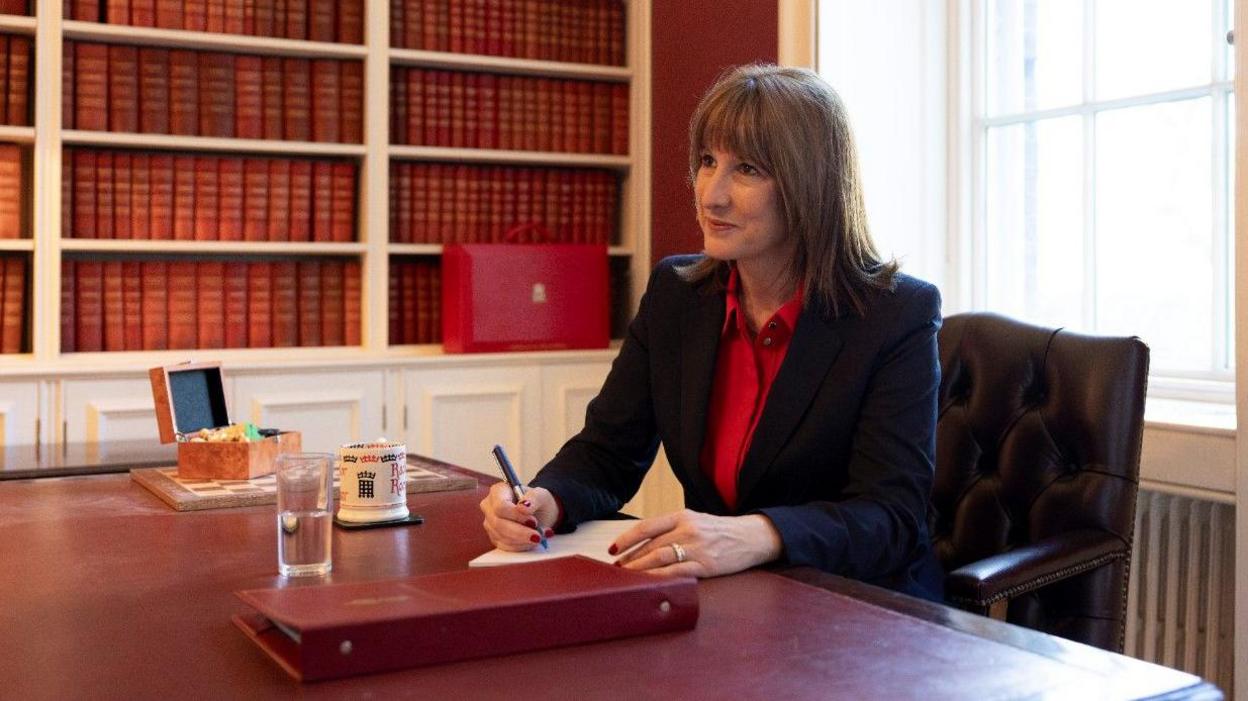
Labour's 2025 Budget: Strategic Cuts amid Economic and Political Challenges
Labour Chancellor Reeves' 2025 Budget focuses on three primary cuts: reductions in the cost of living, NHS waiting lists, and government debt relative to national income. These are to be funded by targeted smaller tax increases for specific groups, while headline income tax rates remain unchanged. Rail fare freezes and energy bill relief measures also form part of the package to ease living costs.
The Budget is perceived as a critical moment for Labour amid deep unpopularity and a stuttering economy. It is framed as a strategic effort by Reeves and Labour leader Keir Starmer to buy time, although internal party tensions are high. Backbenchers express restlessness, with leadership challenges speculated ahead of the Budget announcement. Party unity risks are further heightened by partial policy U-turns, such as dropping day-one protection from unfair dismissal, which may anger left factions and unions.
Reeves has taken an unprecedented public approach to the pre-Budget conversation, including an extraordinary voluntary news conference on 4 November. There, she outlined the difficult economic trade-offs, signaling anticipated large tax rises but preserving long-term investment, and emphasizing measures to address the cost of living. Subsequent disclosures clarified there would be no change in income tax rates, with stronger-than-expected tax receipts offsetting productivity growth revisions by the Office for Budget Responsibility (OBR). This has raised market questions on fiscal clarity and triggered extensive briefing to reassure markets.
Labour’s manifesto pledges not to raise main taxes—income tax, National Insurance, or VAT—while balancing rising welfare spending and sluggish economic growth through 2030. Plans include scrapping the cap on extra benefits for larger families, aligning with Labour's redistribution priorities. However, inflation remains high, and spending power growth is expected to be weak, complicating Labour's electoral prospects.
Government messaging underscores controlling inflation, sustaining public service spending, protecting long-term infrastructure investment, and prudently reducing debt. Amid market wariness about further borrowing, the Budget operates within a fragile fiscal cushion dubbed a "fiscal wafer". Proposals under consideration include new taxes such as a pay-per-mile charge for electric vehicles and negotiated oil and gas taxes intended to avoid undermining North Sea investment.
The economic backdrop features rising debt and welfare expenditure, with debates about the balance between fostering growth and financing welfare and pensions through taxation. Polls indicate over one million people will face income tax increases or begin paying income tax under the Budget’s measures.
Potential risks include damaging Labour’s standing if the Budget fails expectations or breaches manifesto promises, eroding public trust following concerns about mixed messaging on tax thresholds and OBR forecasts. Business leaders have greeted the Budget week with relative calm, hoping for market stability amid higher taxes and increased welfare costs. Still, internal Labour policy tensions and a lack of a clear overarching purpose persist, with backbench pressure possibly forcing reversals on cost-cutting plans.
Overall, the Budget is positioned as a pragmatic, cautious attempt to navigate a challenging political and economic environment, aiming to balance fiscal responsibility with the party’s social priorities amid intense scrutiny and high stakes.