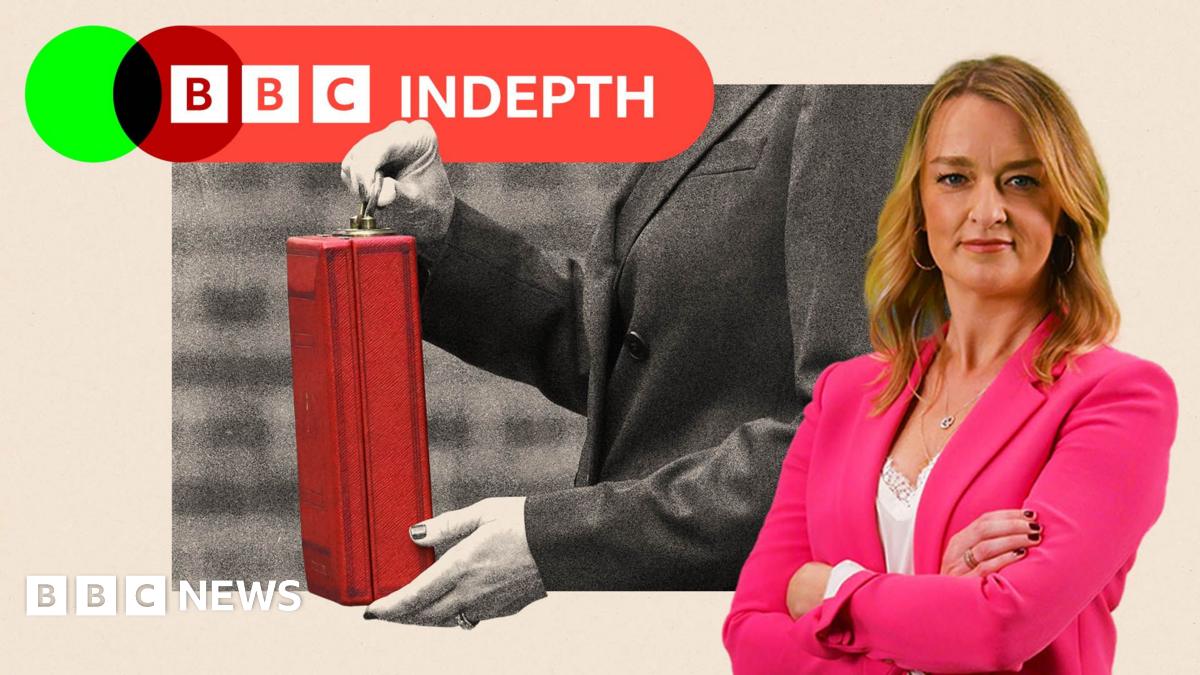
Labour's Budget 2025 and Child Poverty Strategy: Mixed Reactions and Political Implications
Labour's Budget 2025 includes the scrapping of the cap on benefits for larger families and the imminent release of a long-awaited child poverty strategy later in the week. The child poverty plan has been described as a redistribution of taxpayers' cash to the least well-off and a restatement of Labour values.
The best-case scenario for Labour is a period of calmer politics, a clearer party identity, and a potential uptick in polls and business confidence. On Budget day, markets were relatively calm, with some business leaders suggesting that the Budget, which includes about £26 billion of extra tax, could help settle the markets and aid financial stability.
However, public reaction to the Budget is not uniformly positive. More than a million people are expected to pay more income tax or begin paying it for the first time. Additionally, a partial climbdown on workers’ rights, specifically the removal of day-one unfair dismissal protection, angered some on the left and within unions, potentially straining Labour–unions relations ahead of local elections.
The worst-case scenario remains that the economy continues on a slow growth path, with higher minimum wages and tax rises possibly dampening hiring and economic growth.
A dispute over trust and numbers also looms: the Office for Budget Responsibility (OBR) signalled there was no hole in the finances, but Conservatives have accused Labour's Katy Rees of lying, while Labour insiders caution about the fine line between strategic briefing and misleading information.