Labour’s Economic Policy Delays Amid Rising UK Recession Concerns and Business Rate Challenges
Labour is facing criticism for procrastinating on major economic policy decisions, with repeated delays from Whitehall and a tendency to test ideas at a cross-party level before implementing practical steps. This cautious approach is evident as the UK economy contracts, unemployment rises, and business investment remains slow, raising recession concerns among City insiders.
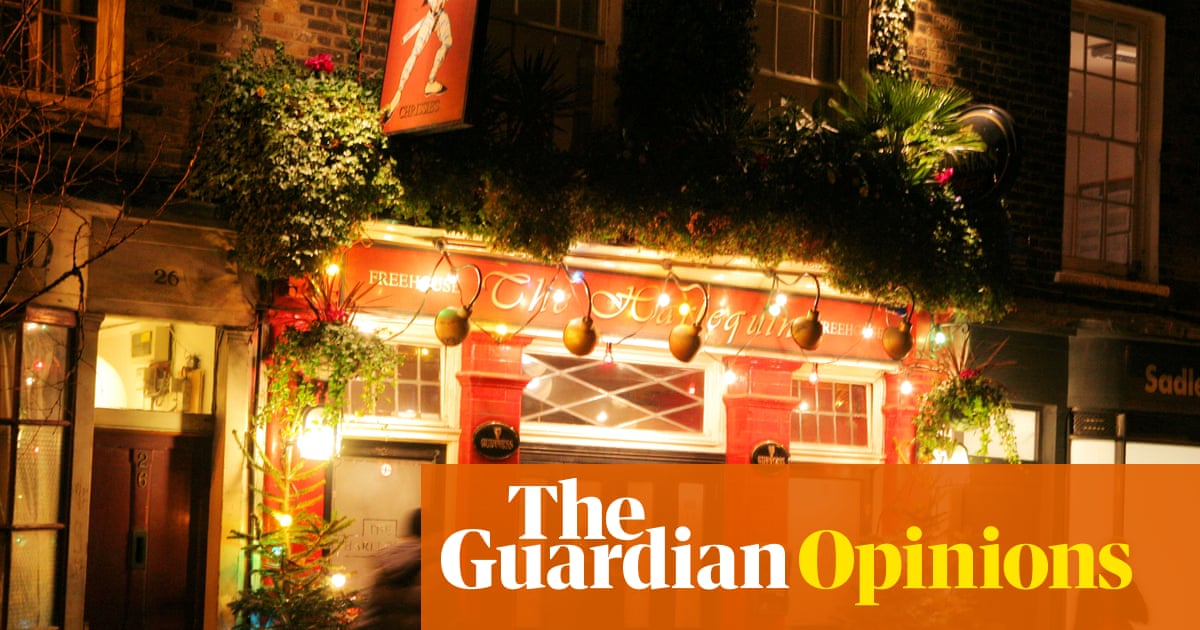
A new business rates regime for pubs and hotels, introduced after the budget, has not been adequately tested and is expected to increase costs significantly. Estimates suggest some small independent pubs could face rises exceeding 500%. Operators such as James Fowler of the Larder House in Bournemouth and Andy Lennox of the Fired Up Collective highlight impacts, with Lennox noting a 126% rate increase for one pub by 2028, a challenge amid already slim profit margins.
Farmers are also facing new inheritance tax (IHT) changes proposed by Rachel Reeves that could complicate passing land to children. Higher IHT liabilities on farms with narrow margins may force some to sell to private equity or foreign buyers. The article argues that increases in IHT and other taxes threaten family businesses and farming. It notes the long absence of IHT on certain assets and calls for a review to prevent widespread closures or disposals to non-domestic owners.
Political advisers close to Labour leader Keir Starmer are depicted as prioritizing an 'election MRI' approach, focusing on electoral viability over developing long-term industrial strategy, local government reform, and public investment. This focus, amid a crowded policy agenda, contributes to ongoing delays in delivering decisive economic policies.