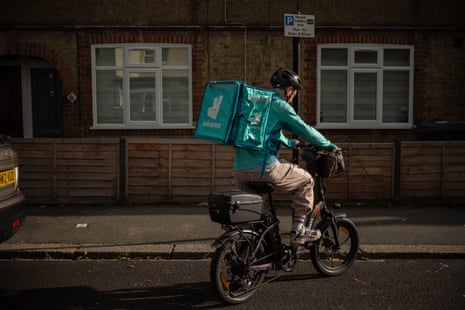
Life of UK Food Delivery Riders: Challenges and Company Responses
On 16 November 2025, an article profiling hundreds of thousands of food delivery riders in the UK, working for platforms like Just Eat, Deliveroo, and Uber Eats, highlighted the challenging conditions faced by these workers. Deliveroo stated it has about 73,000 riders across the UK and Ireland.
Riders often work long hours for relatively low pay, with bicycle riders earning around £300 weekly and those on mopeds about £450 weekly before expenses. Female riders have reported harassment and violence, including exposure by male customers and various forms of assault and abuse.
Many riders feel dehumanized and invisible, seeing themselves primarily as delivery mechanisms within a system connecting apps, shops, and customers. Most riders are migrants facing visa and residency constraints that limit their employment options; despite enforcement crackdowns on illegal working, many operate legally.
Regarding legal status, Uber drivers were recognized as workers in 2021, but in 2023, delivery riders were deemed self-employed due to a substitution clause. Unions such as GMB have voluntary agreements with Deliveroo to ensure a minimum wage plus costs, though riders risk underpayment when order volumes are low.
A scholarly analysis by Professor Nando Sigona of Birmingham University frames platform work as a form of migration governance combining automation, surveillance, and immigration enforcement, calling for a policy reset to safeguard workers' dignity and rights.
Company responses vary: Deliveroo claims most riders are satisfied and highlights increased minimum hourly earnings, free insurance, sickness cover, and parental support. Uber Eats emphasizes its safety features and partnership with the GMB union. Just Eat states that pay generally exceeds the national living wage and mentions providing safety support.