Long‑Term Economic Damage from Brexit and Potential Impact of a UK‑EU Customs Union
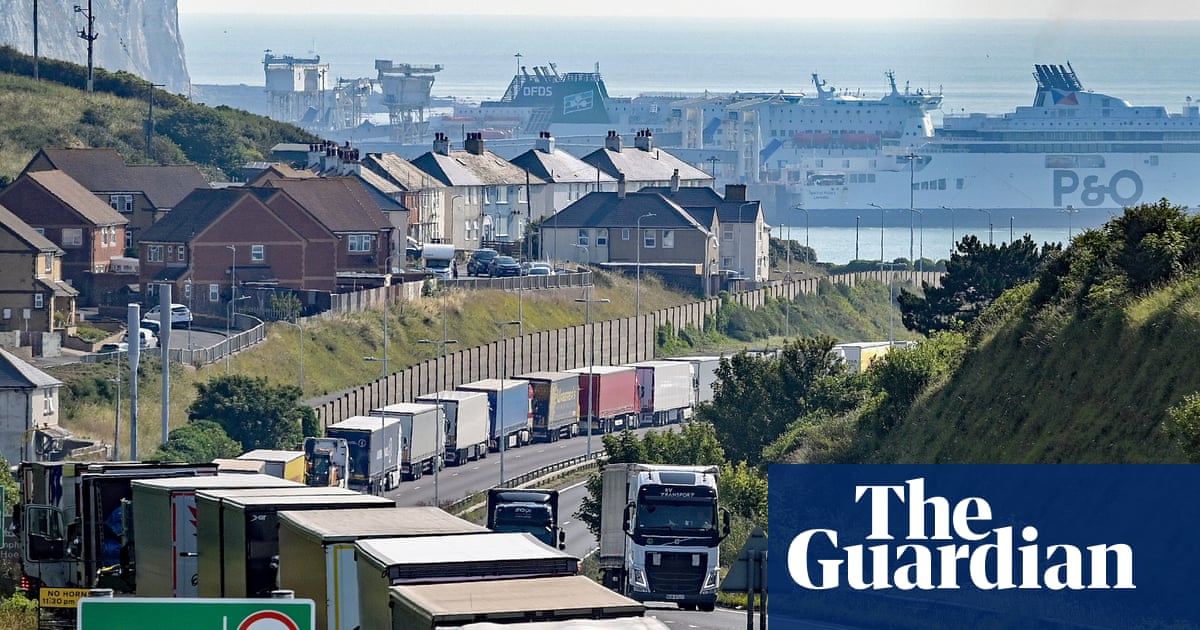
Brexit has caused long‑term economic damage to the UK; although the immediate doomsday scenario did not materialize, trade, investment, and living standards have suffered due to tougher trade barriers since 2020. Goods export volumes collapsed after the Brexit transition ended in January 2021 and remain below 2019 levels. Services exports fell in 2020 but have since recovered, though the City of London has lost market share within the EU.
The EU remains the UK's largest trading partner, with exports to the bloc valued at £358bn (41% of UK total) and imports at £454bn (51%). While tariff‑free trade exists under the Trade and Cooperation Agreement, it is more restricted than full membership in the customs union or single market.
Discussions within the Labour party have featured calls from Wes Streeting for a deeper EU trading relationship. However, party leader Keir Starmer has ruled out rejoining the customs union or single market.
Limited closer ties, such as a veterinary deal and energy cooperation, could yield small economic benefits estimated at about 0.3% of GDP by 2040. Yet the Office for Budget Responsibility estimates the economic cost of Brexit at about 4% of GDP, implying that any gains from a customs union arrangement could be meaningful by comparison.
A UK‑EU customs union would reduce bureaucratic hurdles, for example by simplifying rules of origin, potentially lowering firm costs by an estimated 2% to 8%. However, this would require new negotiations and deep regulatory alignment beyond a typical customs union. Such negotiations would not mean re‑joining the EU, but the UK would negotiate a fresh deal similar to those with Turkey, Andorra, or San Marino. The EU is likely to demand access terms, budget contributions, and potentially considerations related to freedom of movement.
Any bespoke customs union scenario could theoretically add around 2.2% to UK GDP and generate an additional £25 billion per year for the exchequer. However, these estimates rely on achieving deep regulatory alignment and are subject to significant negotiation risks.