Massive Stargate Data Center in Saline Township, Michigan Sparks Controversy
Saline Township, Michigan, a small community with a population of around 4,000, is the site of a vast new data center project known as Stargate. Spanning 575 acres, the development involves five data centers with a combined capacity of 1.4 GW and a cost estimated at about $7 billion. Stargate is backed by major entities including former president Donald Trump, OpenAI, Oracle, and Related Company, while receiving support from Michigan governor Gretchen Whitmer and energy provider DTE Energy. Reports suggest the project could benefit from approximately $500 billion in federal subsidies.
Despite backing from prominent figures and officials, local residents across political spectrums oppose the project. Concerns focus on higher energy bills, groundwater contamination, and the loss of the township's rural character. Protests have drawn significant participation, with about 200 people attending a demonstration on December 1 and roughly 800 at a subsequent state-level session.
The Saline Township board initially rejected the Stargate project in September but reversed its decision following a lawsuit filed by Related Digital alongside three property owners, claiming zoning law violations by the township. A settlement was reached, allowing the project to continue.
Regulatory reviews are ongoing. DTE Energy is seeking an expedited ex parte review with the Michigan Public Services Commission, while opponents, including the state attorney general and environmental group Sierra Club, have petitioned for a full-contested case review. DTE assures that residential energy bills will not increase due to the center’s demand, though the grid’s current capacity is approximately 11 GW against a demand of 9.5 GW. The data center’s substantial 1.4 GW requirement could activate Michigan’s 2040 climate law off-ramp, potentially necessitating new gas-fired power plants. Plans to incorporate battery storage are underway.
The Stargate project represents the largest investment in Michigan's history. Related Digital has pledged around $14 million to local initiatives. Proponents highlight the creation of AI infrastructure and several hundred jobs as benefits.
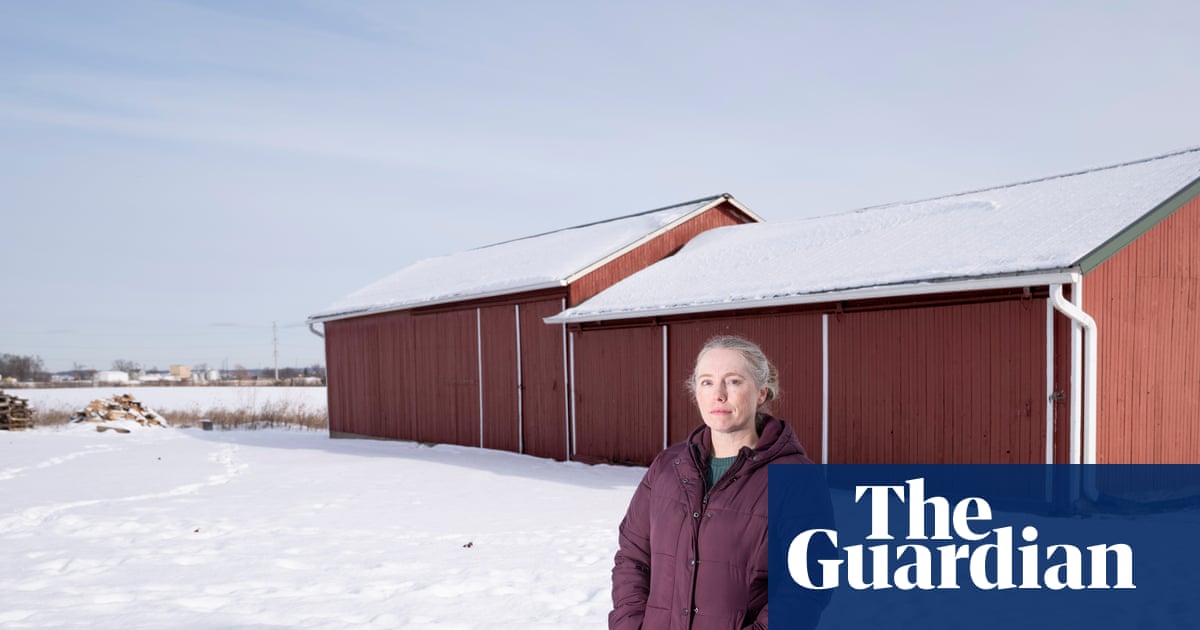
Opposition voices among local residents express deep concerns. Kate Haushalter, residing near the site, emphasizes the disruption to family life and the natural environment. Josh LeBaron describes the project as "uniquely evil" and favors an alternative location. Yousef Rabhi frames the development as emblematic of technology billionaires exacerbating economic inequality.