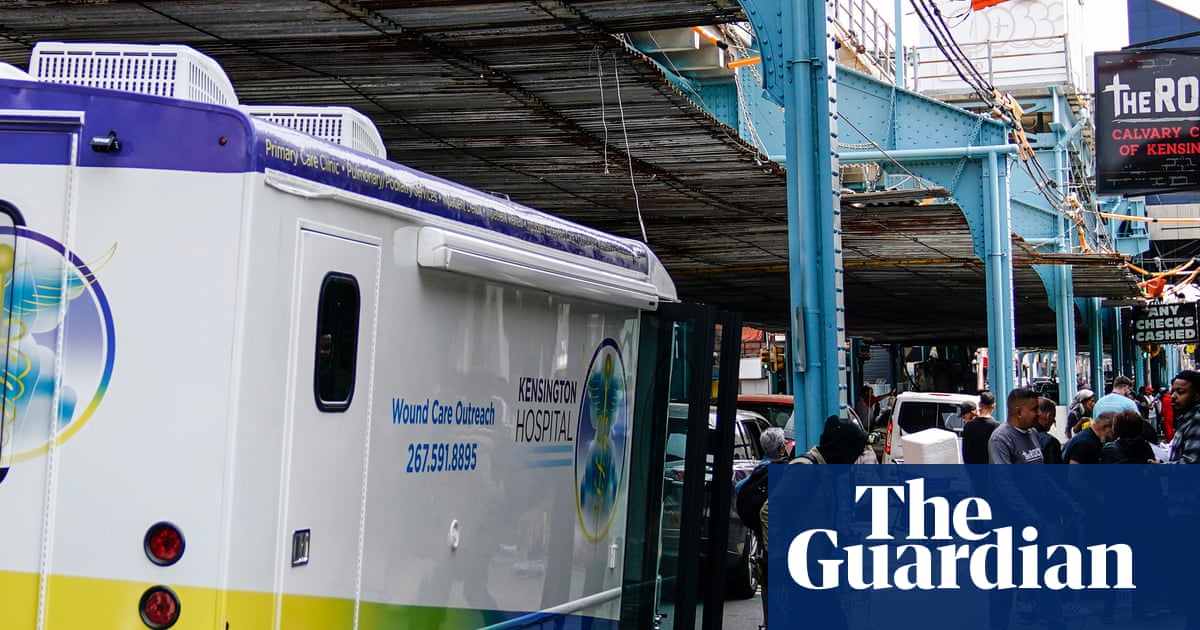
Medetomidine Drug Crisis in Philadelphia's Kensington Area Strains Health Services
A potent new street drug, medetomidine, also known as “rhino tranq,” is circulating in the Kensington neighborhood of Philadelphia, causing severe organ damage and extreme withdrawal symptoms. Originally a veterinary sedative, medetomidine has largely replaced xylazine after Pennsylvania banned the latter last year. The drug is present in about 70% of opioid stamps in Philadelphia and is 200 times more potent than xylazine.
Medetomidine is often combined with fentanyl, leading to complications where users may remain unconscious after fentanyl reversal. Withdrawals from medetomidine have been linked to serious health issues, including organ failure. Hospitals are experiencing significant strain from these withdrawal cases, with up to 25% of ICU capacity occupied by such patients at times—approximately 35 patients per month citywide. The lack of a diagnostic code for medetomidine withdrawal and underprepared rehabilitation centers exacerbate the issue.
Sunshine House, a harm-reduction hub opened in 2018 in Kensington, plays a crucial role in combating the crisis by reversing about one overdose per day and providing medetomidine testing kits and Narcan. Its founder, Roz Pichardo, has reversed over 3,000 overdoses.
Although Philadelphia’s overdose deaths have declined recently—with 1,045 deaths in 2024 and 469 fatalities from January to August this year, preliminary data suggest the total may fall below 1,000 for the year. Mayor Cherelle Parker, elected in 2024, has invested in a new treatment center and tripled police presence in Kensington. However, her administration faces criticism for cracking down on mobile harm-reduction services and for the $5.5 million Kensington Neighborhood Wellness Court. Proposals to introduce supervised overdose prevention sites have not advanced.