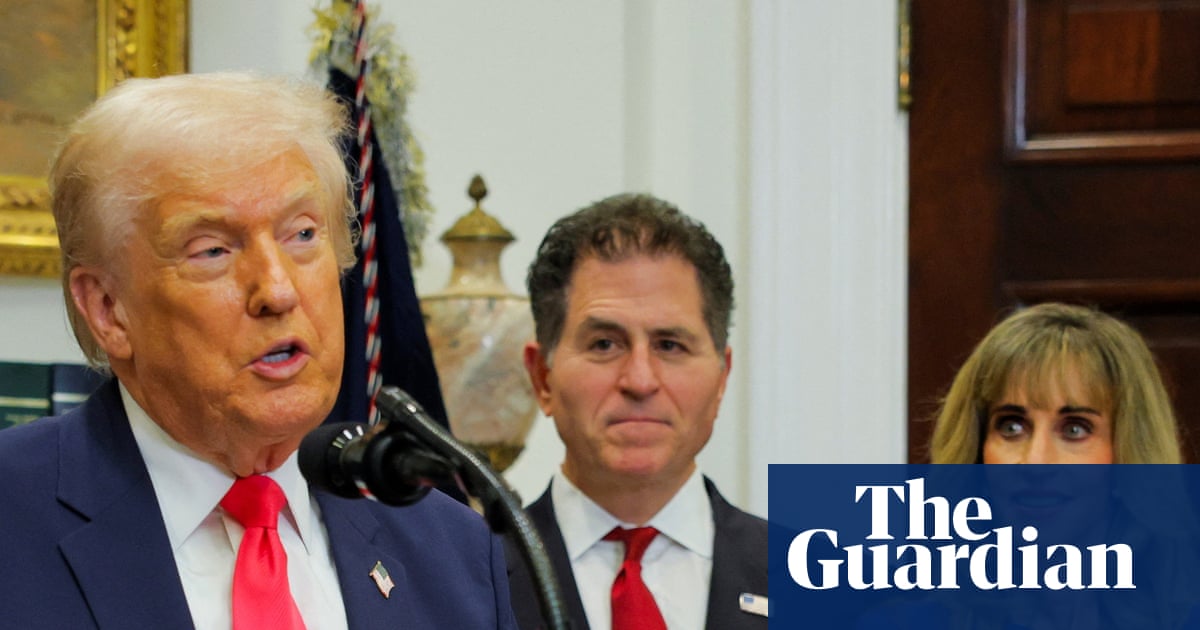
Michael and Susan Dell Donate $6.25 Billion to Trump Accounts Amid Philanthropy and Political Influence Debate
Michael and Susan Dell have donated $6.25 billion to the Trump Accounts initiative, aimed at funding $1,000 deposits for 25 million children born during Donald Trump's presidency. This donation is described as one of the largest philanthropic gifts in U.S. history.
While Dell asserts that the donation is not partisan, the gift has raised questions about the use of philanthropy to curry favor with those in power. The article situates this donation within a broader pattern of billionaire philanthropy being employed as a means to gain access and influence. It highlights contributions from tech and crypto billionaires, as well as other backers of Trump.
A 2010 study by economists from the University of Chicago, Boston University, and the University of British Columbia is cited, revealing that corporate foundations tend to donate in congressional districts where their political action committees support favored candidates, indicating potential political motivations. Examples include Exelon's donation to a Boys and Girls Club led by Joe Barton and Walmart Foundation gifts to the Joe Baca Foundation.
The article also notes that U.S. philanthropy totaled over $592 billion last year, approximately 2% of GDP, and contends that taxpayers subsidize this wealth transfer through tax breaks.
The critique extends to the effective altruism approach embraced by Silicon Valley elites. Mark Zuckerberg, for example, has shifted his philanthropic focus toward biology and AI and emphasizes a long-term, high-impact mission on curing disease.
Despite the large headline figure, Dell's gift equates to roughly $250 per child, an amount the author argues is unlikely to be life-changing. The piece suggests a more direct policy solution would be to broaden the child tax credit for the poorest families.
Overall, the author asserts the gift will likely benefit the donor more than the recipients and uses this case to question philanthropy's role as a tool of political influence beneath the surface of charity.